


Best Hair Extensions for Thin Hair

If you have thin or fine hair, you already know the particular ache of it: the ponytail that wraps around three times, the part that seems a little wider in photos, the styles you screenshot but never attempt. And you may have heard the discouraging myth that extensions “aren’t for you”—that they’ll show, slip, or break the hair you’re trying so hard to keep.
Here’s the truth: thin-haired women are some of the happiest extension wearers we have. The transformation is bigger and the confidence shift is real. But—and this matters—thin hair is less forgiving of the wrong method, the wrong weight, and the wrong installer.
This guide walks through what actually works, what to avoid, and how to add beautiful volume while keeping every strand you have healthy.
What Thin Hair Needs From an Extension
Three things decide whether extensions flatter or fight thin hair:
-
Light weight: Every attachment hangs from your natural hair. Fine strands can absolutely carry extensions—just not heavy ones. Lighter wefts, smaller sections, and conservative amounts help protect your roots.
-
A flat, small attachment point: With less hair to hide behind, bulky bonds can show. You want attachments that lie flush against the scalp and disappear under a thinner curtain of hair.
-
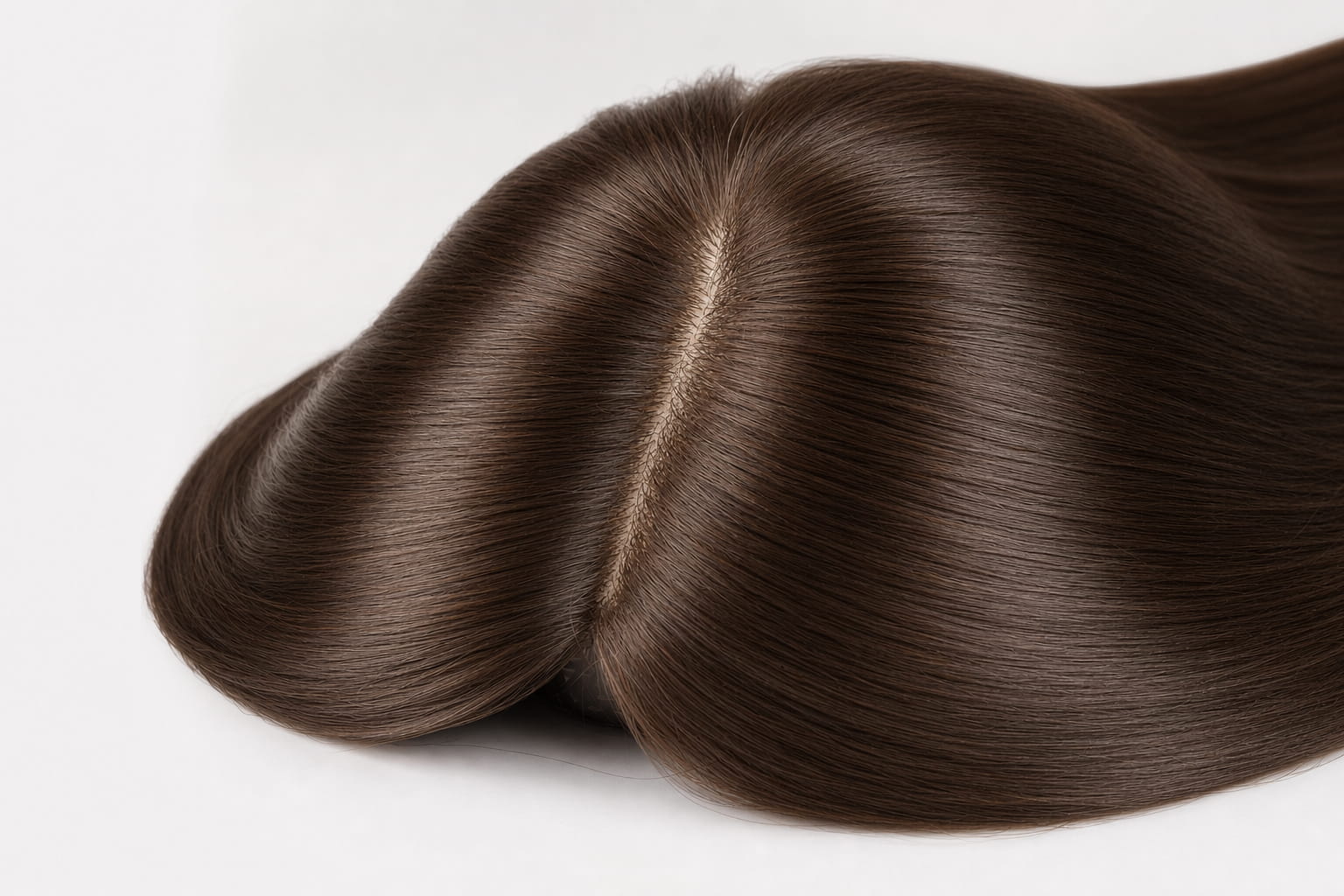
Quality hair that blends fine textures: Coarse, heavy extension hair next to fine natural hair can look obvious. Cuticle-aligned Remy hair in a fine, silky texture—like Morado’s European ultra-fine lines—moves the way your hair moves, which is what makes the blend look natural.
The Best Options, Ranked for Thin Hair
1. Tape-Ins: The Lightest, Most Seamless Starting Point
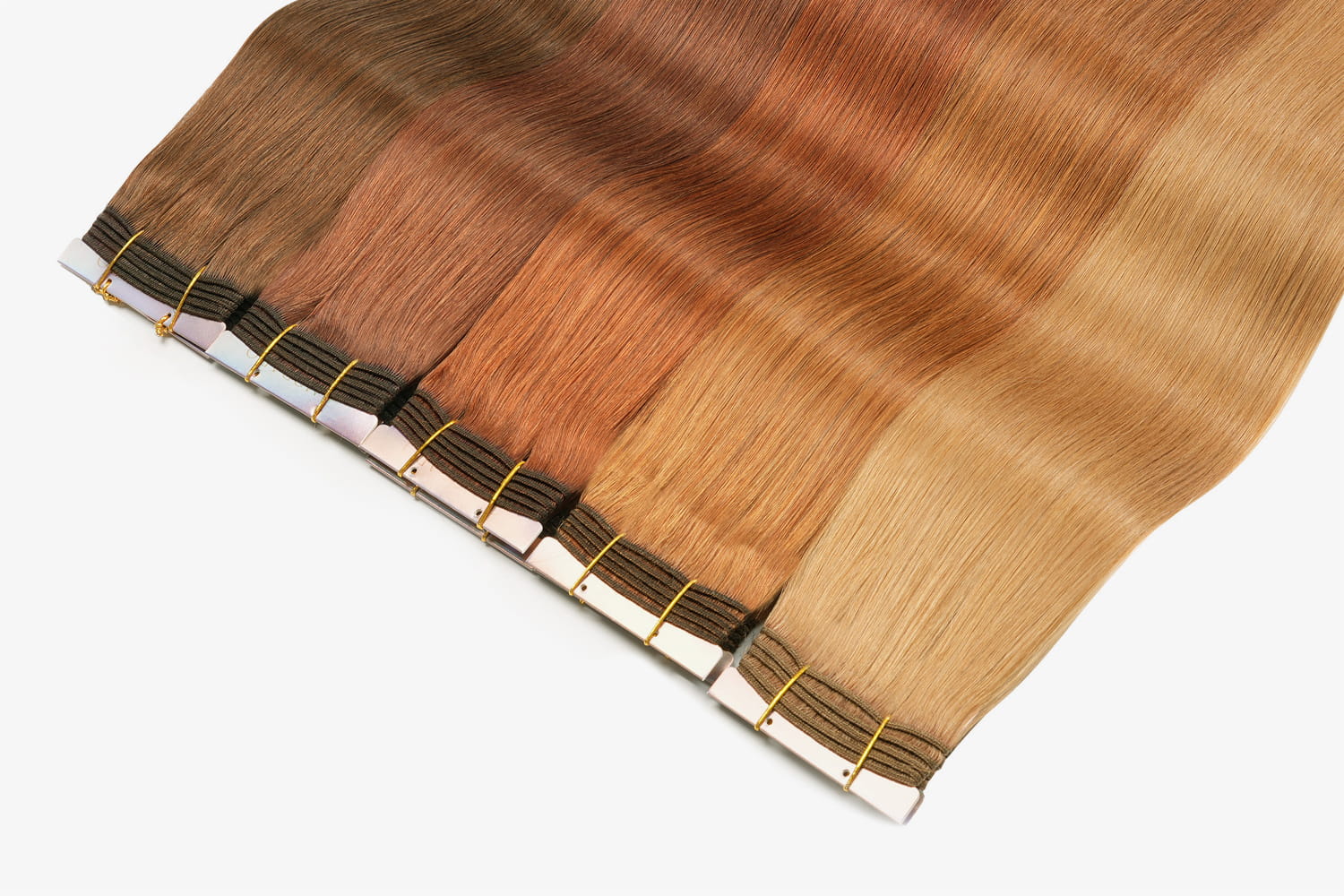
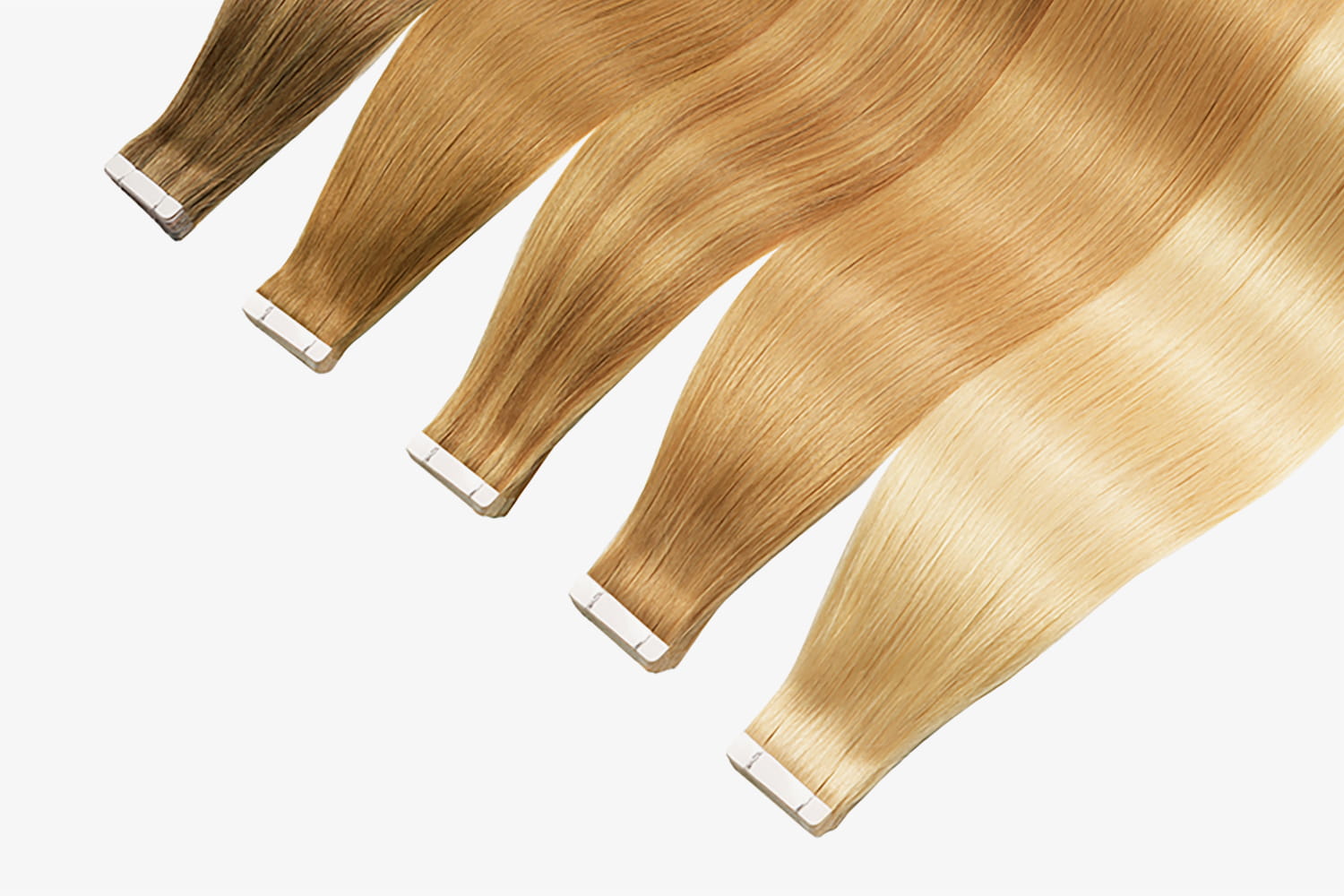
Stylists reach for tape-ins first for thin-haired clients, and for good reason. The weight of each weft spreads across a wide, feather-light adhesive strip instead of hanging from a small lock of hair, so tension on any single strand is minimal. The strips lie completely flat, staying invisible even under fine hair, and installation takes about an hour.
Morado tape-ins are 100% premium Remy human hair with medical-grade adhesive, in 18" and 22" lengths and 20 shades from $71.75—and they re-tape for multiple installs, which keeps the ongoing cost gentle too.
2. Micro Loops: Precise, Glue-Free Volume in Small Doses
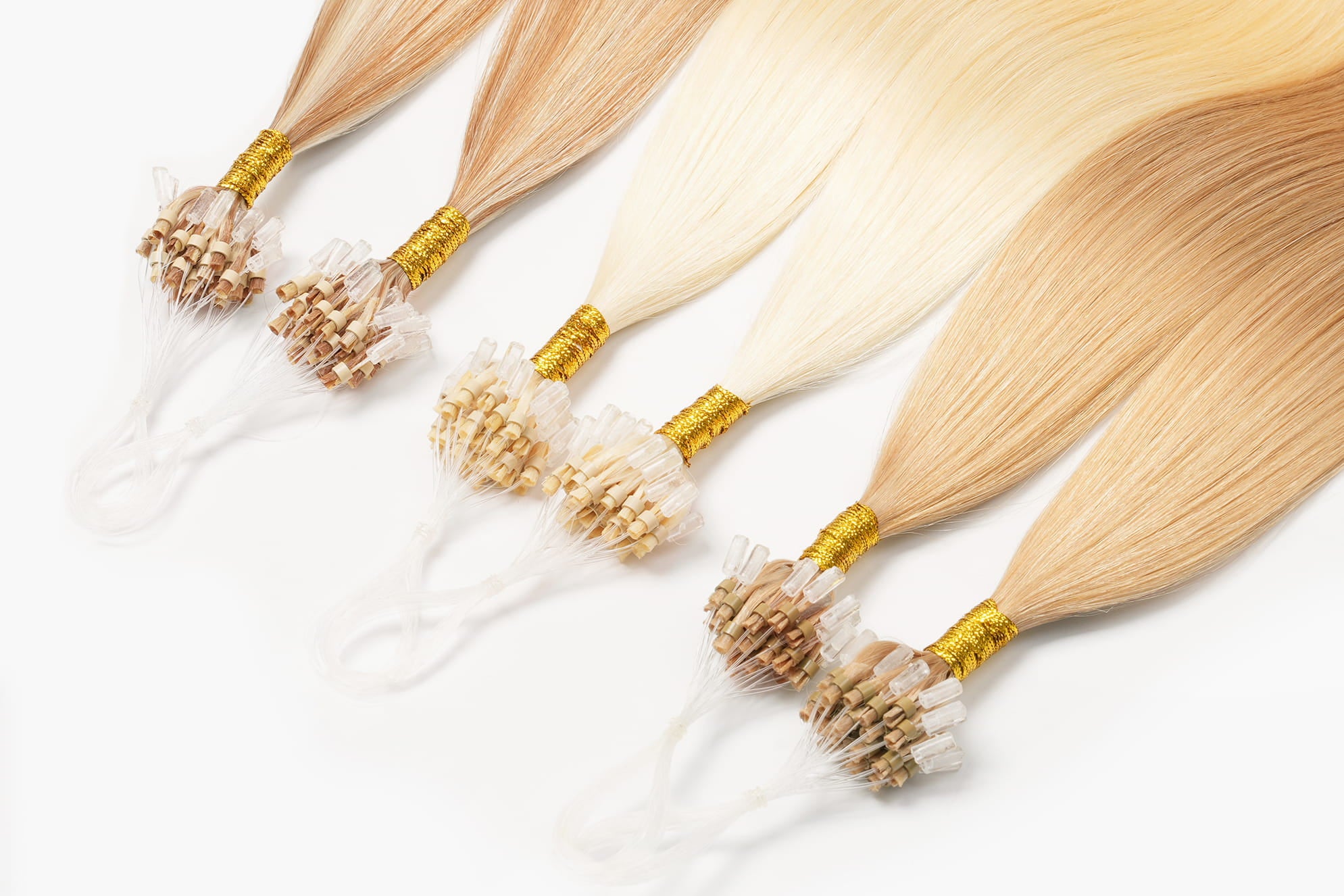
Micro loop extensions attach strand by strand with tiny silicone-lined beads—no glue, no heat.
For thin hair, their superpower is precision: your stylist can scatter 1-gram strands exactly where density is missing, using fewer strands and smaller sections so no single point carries too much. You’ll want at least 4–6 inches of natural hair, and an experienced stylist who will honestly cap the strand count your density can support. Sets of fifty 1-gram strands start at $71.75.
3. Wefts: Specifically Full-Ended Wefts, With the Right Stylist
Conventional wisdom says wefts are for thicker hair, and there’s truth in it: rows need coverage. But modern beaded-row installs plus the right weft construction have changed the math. Morado’s Aura weft is built high-ratio—roughly half the strands run full length, so the ends are dense—meaning fine-haired clients get maximum density from fewer rows and less total weight.
If your goal is a true transformation rather than a subtle boost, ask a certified stylist whether one carefully placed Aura row suits your density.
4. Clip-Ins: Occasional Volume With Zero Commitment
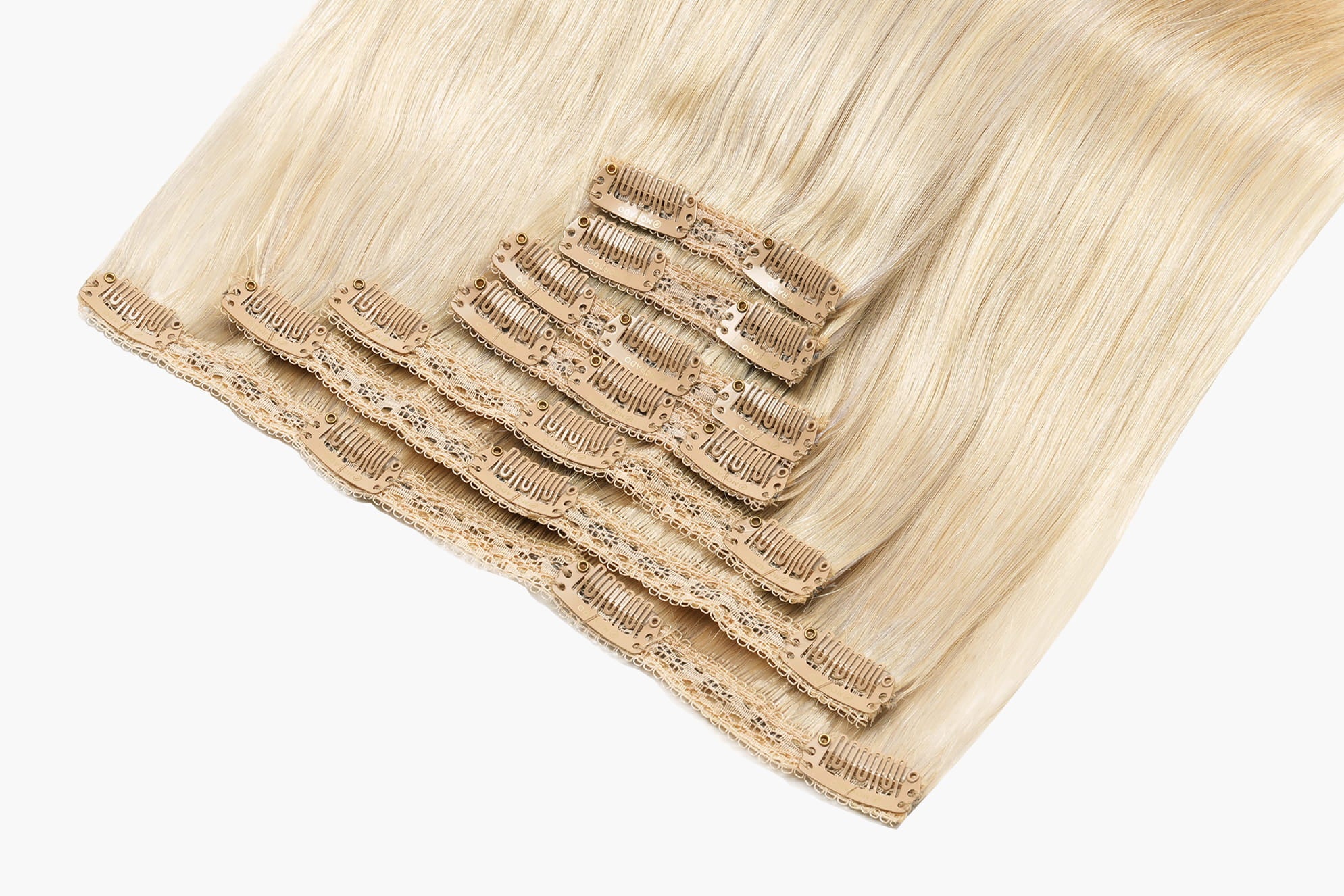
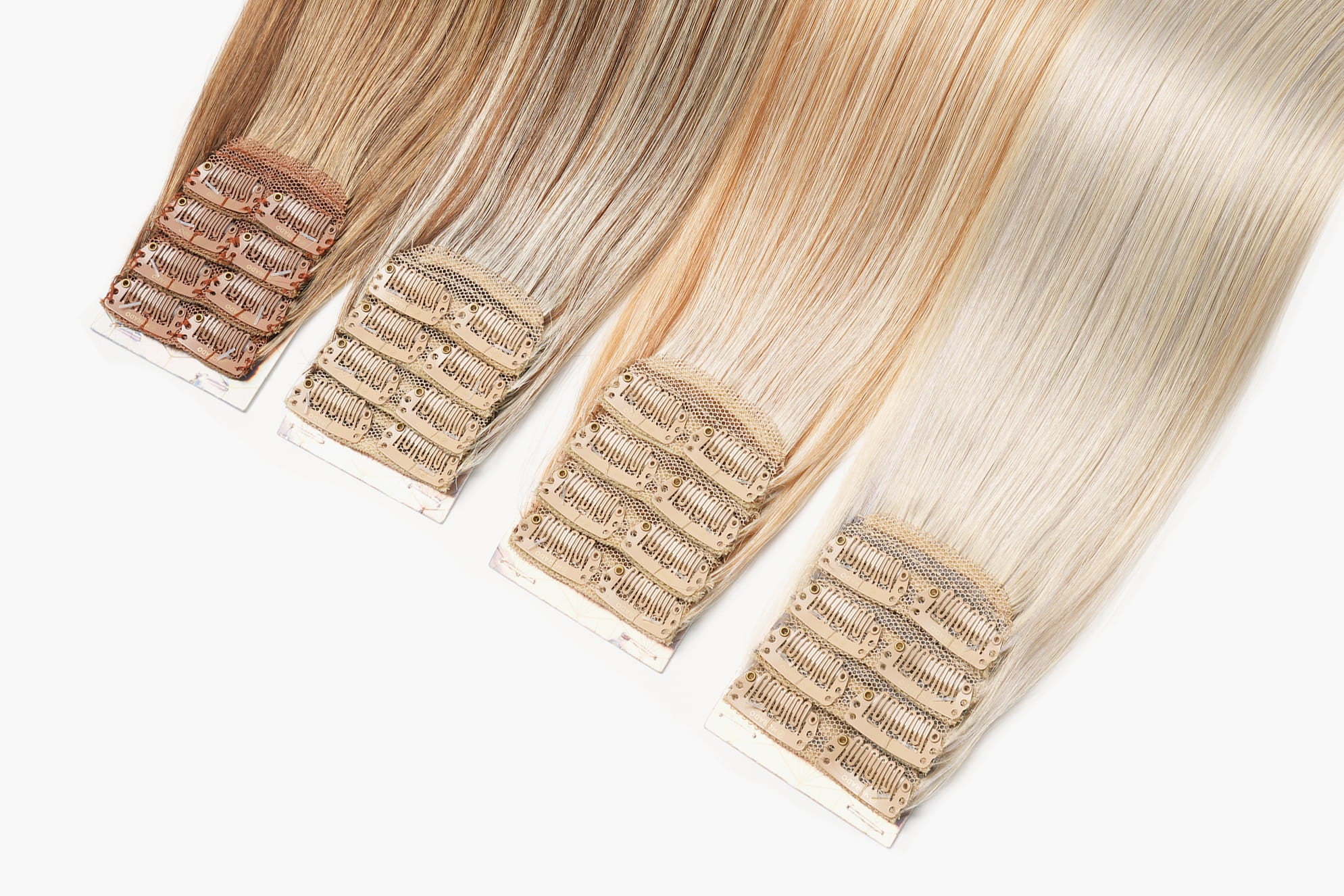
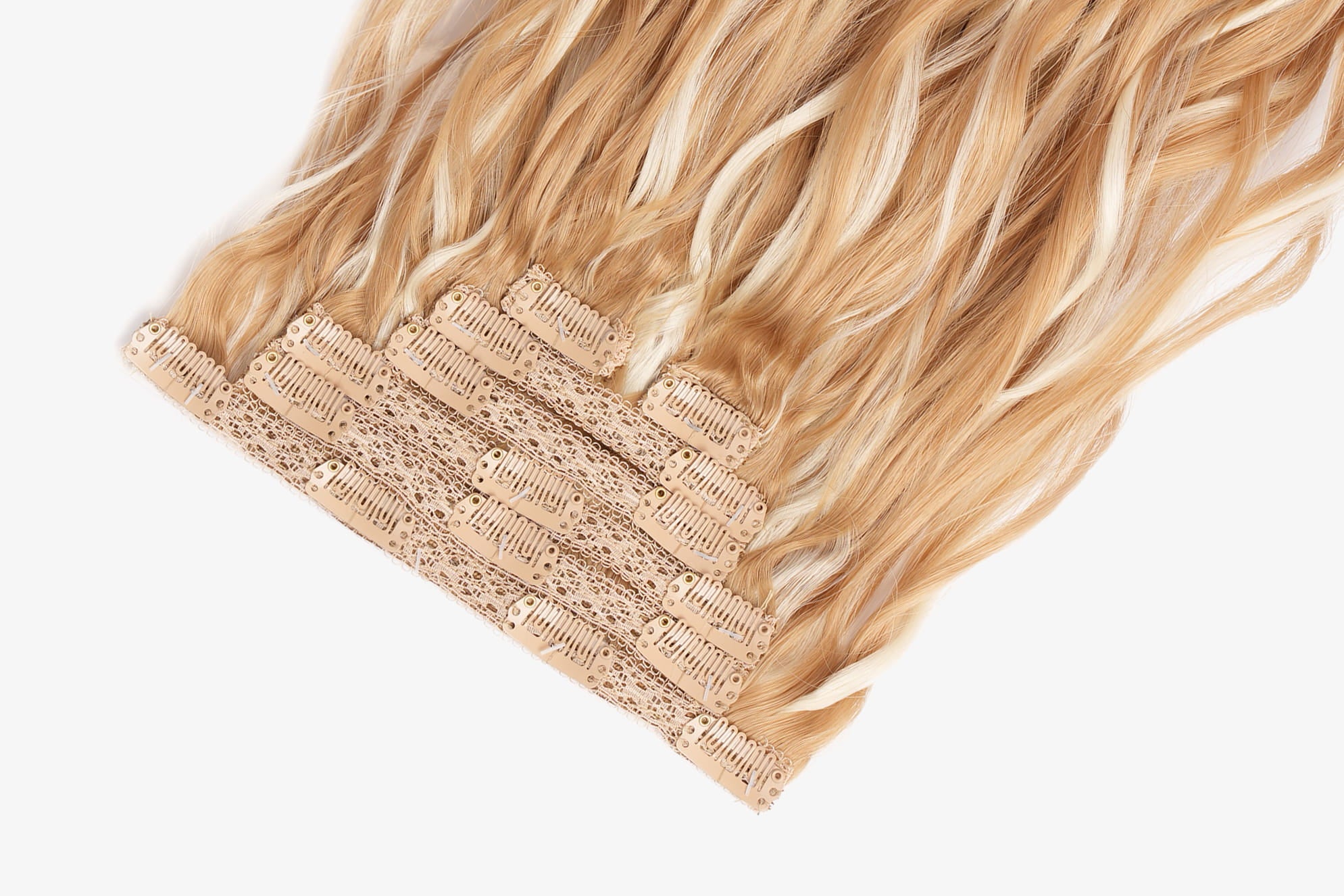
For events and sometimes-wear, a lightweight clip-in set is a lovely, damage-free option—Morado’s 7-piece Remy sets use soft, silicone-backed clips designed to grip without pulling.
Two honest cautions for thin hair: use only the wefts you need rather than the full set at once, and never sleep in them. If your hair is very fine at the temples, place clips slightly back from the hairline where there’s more support.
5. When It’s Thinning, Not Just Thin: Toppers and Scalp Fill-Ins
One thing extensions can’t do is cover a widening part or a thinning crown—they add hair below, not on top.
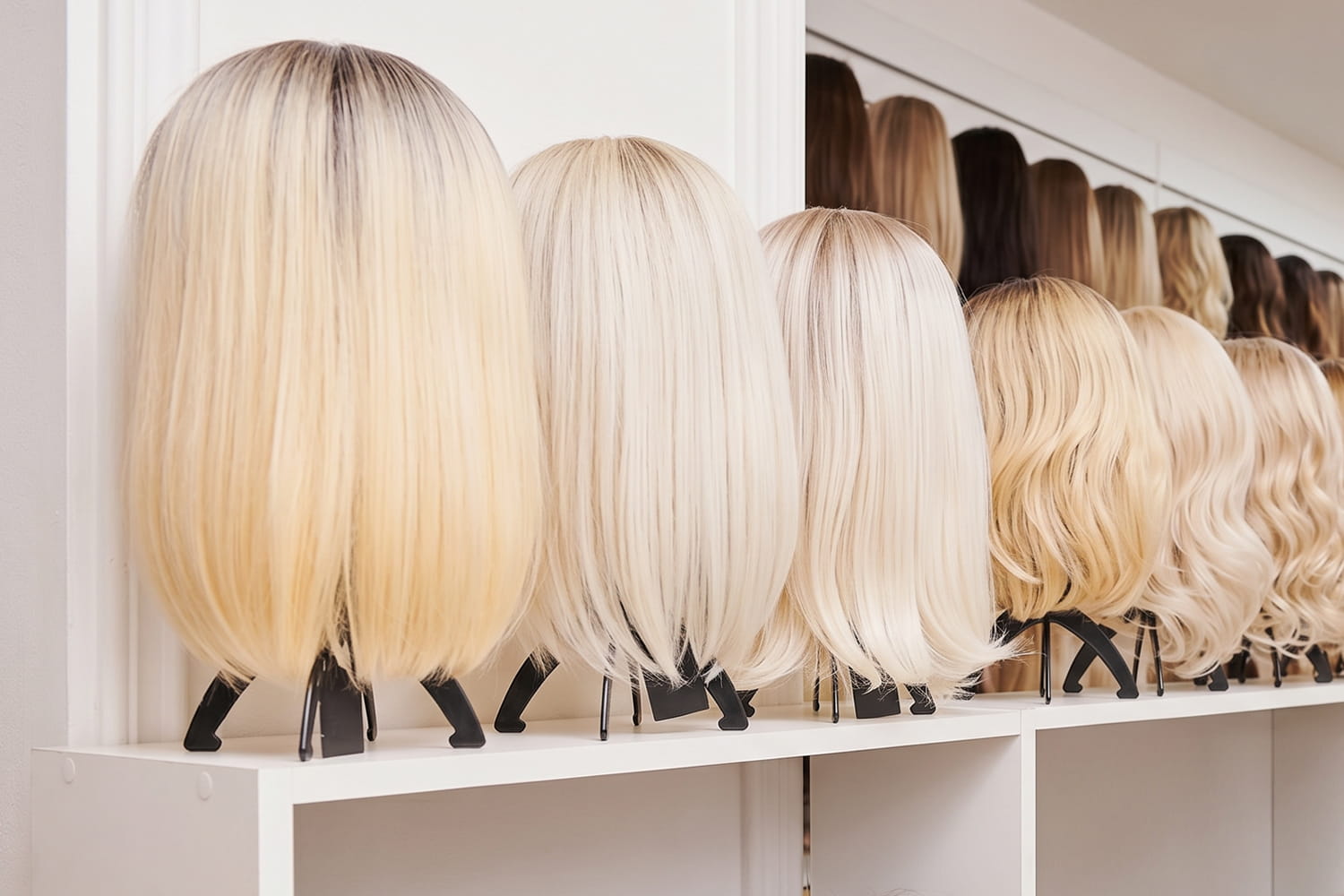
If that’s the concern that brought you here, a topper or scalp fill-in piece is the honest answer, and often a life-changing one. Morado carries both, in the same Remy quality, and many customers pair a topper up top with tape-ins for length.
Quick Comparison for Thin Hair
|
Method |
Weight on Hair |
Invisibility |
Best When |
|
Tape-Ins |
Lightest per attachment |
Excellent—flat strips |
Everyday wear, first extensions |
|
Micro Loops |
Light, adjustable count |
Very good |
Targeted fill, glue-free preference |
|
Aura Weft |
Concentrated, one row |
Good with skilled install |
Maximum density goals |
|
Clip-Ins |
Brief, removable |
Good with placement care |
Events and occasional wear |
|
Topper / Fill-In |
Sits at crown |
Excellent |
Widening part, crown thinning |
Protecting the Hair You Have
Whatever method you choose, thin hair thrives on a few protective habits. Keep your move-up schedule (every 6–8 weeks) so growing roots never carry twisting weight. Wash with sulfate-free products and be gentle at the attachment points. Brush from the ends upward, supporting the roots with your other hand. Sleep with hair loosely braided. And be honest with your stylist about shedding, breakage, or any medical hair loss—a good one will adjust the plan, and a great one will sometimes tell you “less hair, better placed” beats the fuller install you asked for.
Red Flags to Walk Away From
• Anyone willing to install heavy wefts or high strand counts on visibly fragile hair without a consultation.
• Extension hair sold without a Remy or sourcing claim—coarse, stripped hair frays and mats fastest against fine textures.
• Glue-in methods marketed for at-home use on thin hair.
• “No maintenance needed” promises. Every semi-permanent method needs move-ups; skipping them is where damage stories come from.
Thin hair doesn’t disqualify you from the hair you want—it just deserves a thoughtful match. Start light, insist on quality, and work with someone certified. And if you’d like help choosing before you ever book a chair, send our team a photo; with the Morado Promise and 90-day returns behind every order, you can explore without the gamble.
Frequently Asked Questions
Q. Will extensions make my thin hair fall out?
Properly matched and maintained extensions don’t cause hair loss. Problems arise from excessive weight, over-tight installs, or skipped move-ups—all preventable. If you have active shedding or a medical condition like alopecia, talk with your doctor and a certified stylist first; a topper may be the safer starting point.
Q. Which extensions are least damaging for thin hair?
Tape-ins, in most cases. The weight distributes across a wide, flat strip rather than hanging from a small section, and removal with proper solution is gentle. Micro loops are a close second when strand counts are kept conservative.
Q. How much extension hair should I start with?
Less than you think. For fine hair, one pack of tape-ins or a partial micro loop set is a common starting point—you can always add at your next appointment. Starting light protects your roots and lets you learn how your hair handles the weight.
Q. Can extensions cover a widening part or thinning crown?
No—extensions add hair below the crown, not on top of it. For part-line or crown coverage, a topper or scalp fill-in is the right tool, and it can be worn alongside extensions for all-over fullness.
Q. Do I need a special haircut to blend extensions with thin hair?
A blending trim helps a lot. Asking your stylist to soften your natural ends into the extension length—especially with a full-ended weft like Aura or a fresh tape-in install—removes the telltale line between your hair and the added hair.
Share
Read more
Aura, Diamond, or Ruby? Choosing Your Line
Aura, Diamond, and Ruby — three premium Morado lines, three different strengths. Compare hair type, volume, styling, and price to find the line made for you.
Diamond vs. Aura Wefts: How to Choose
Comparing Morado’s Diamond and Aura weft extensions? See how they differ in fullness, shade range, price, and feel — and find the weft that fits your hair goals.