

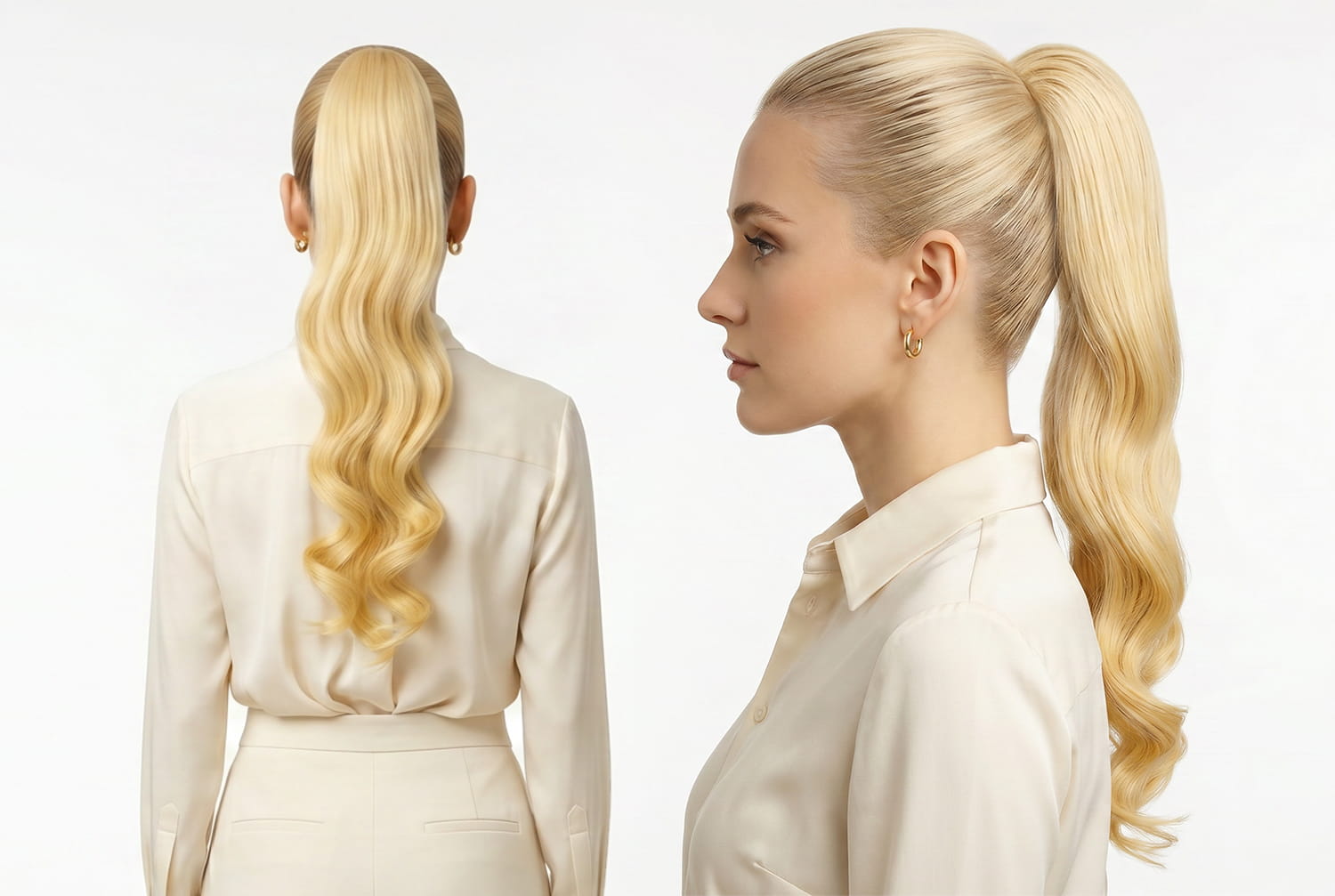
Hair Topper or Wig? How to Know What You Actually Need
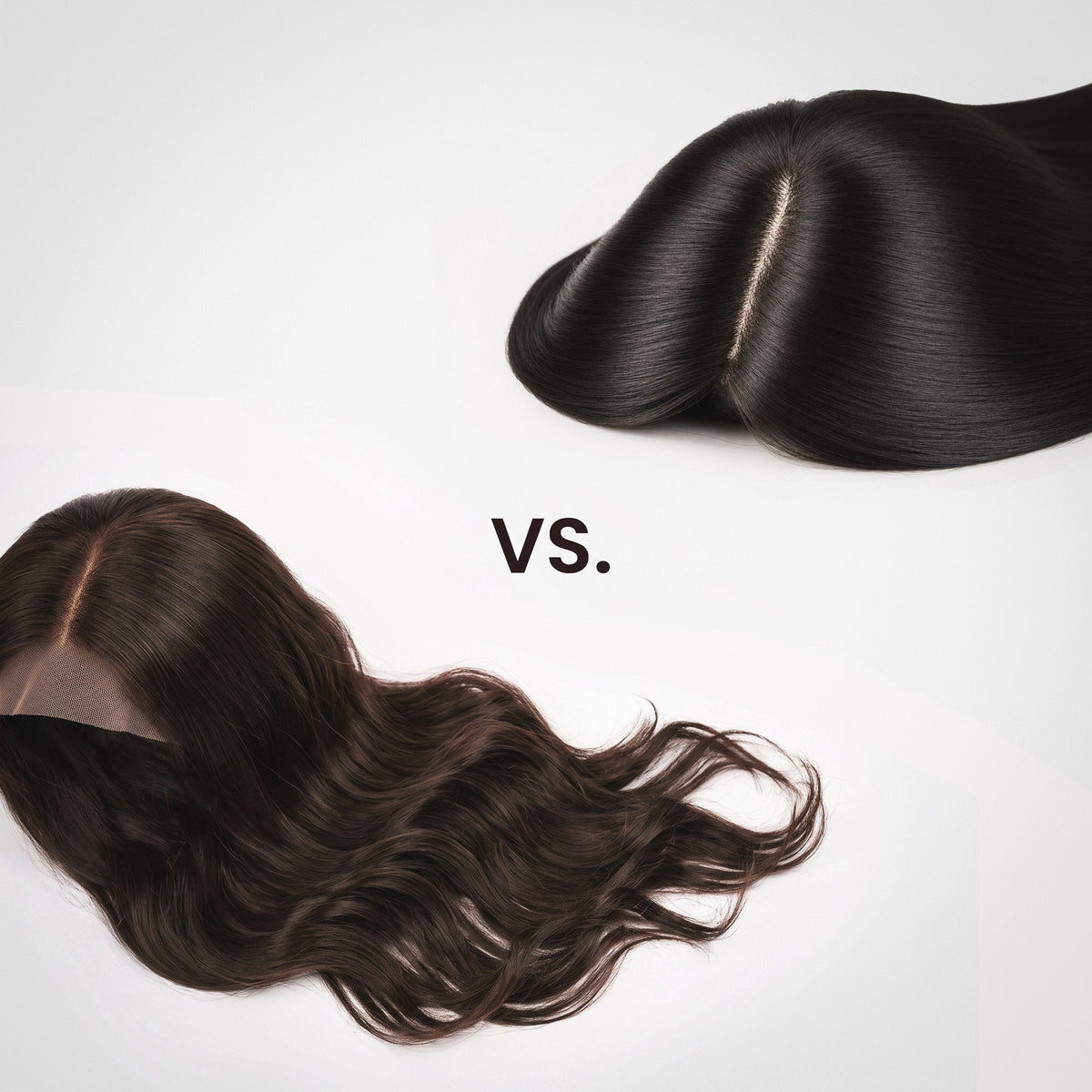
If you’re researching hair loss solutions, you’ve probably felt the strange gap in the advice out there: one camp assumes you need a few extensions, the other assumes you need a full wig, and nobody quite addresses the enormous middle—where most thinning actually lives. The topper vs. wig question sits right in that middle, and getting it right matters for your comfort, your budget, and how you feel every time you pass a mirror.
The short version: a topper supplements your hair; a wig replaces it. Everything else follows from that one sentence. Let’s walk through it properly.
What a Topper Does Best
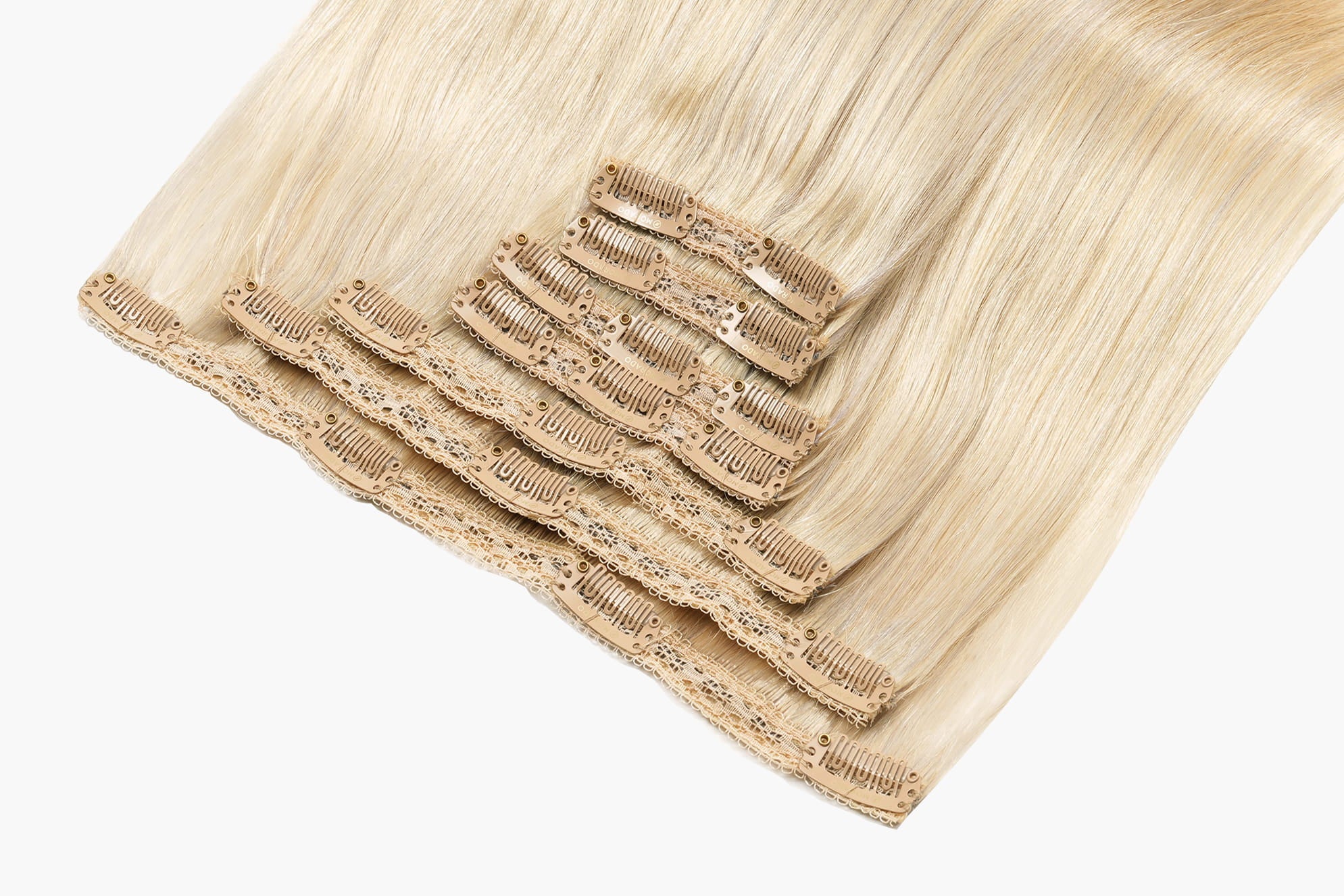
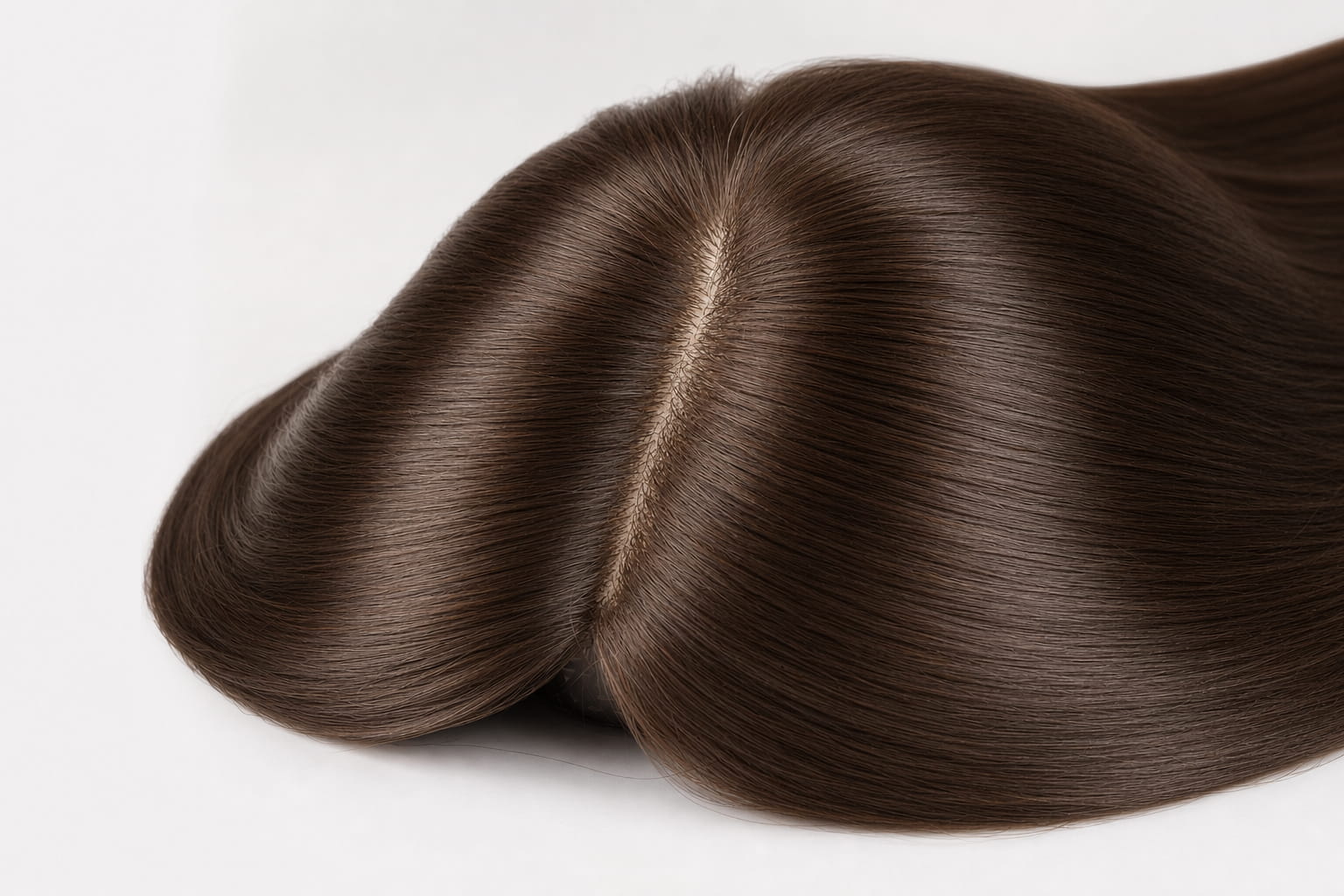
A topper covers the top—crown, part, front scalp—while your natural hair stays out, visible, and doing its job everywhere else. Your hairline is yours. Your nape is yours. The piece clips in over the thinning zone, your hair blends around and beneath it, and the total effect reads as simply... your hair, on a very good day.
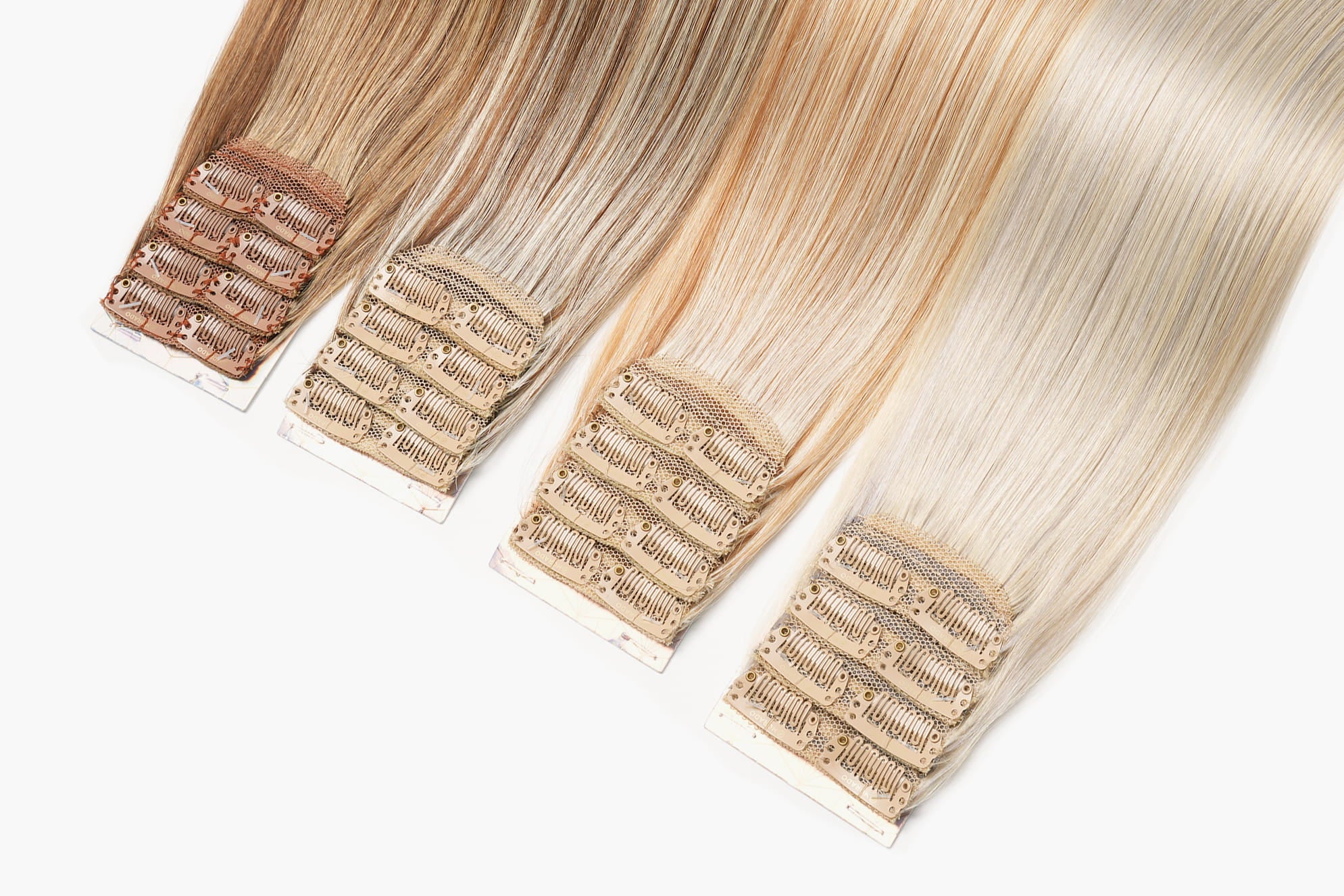
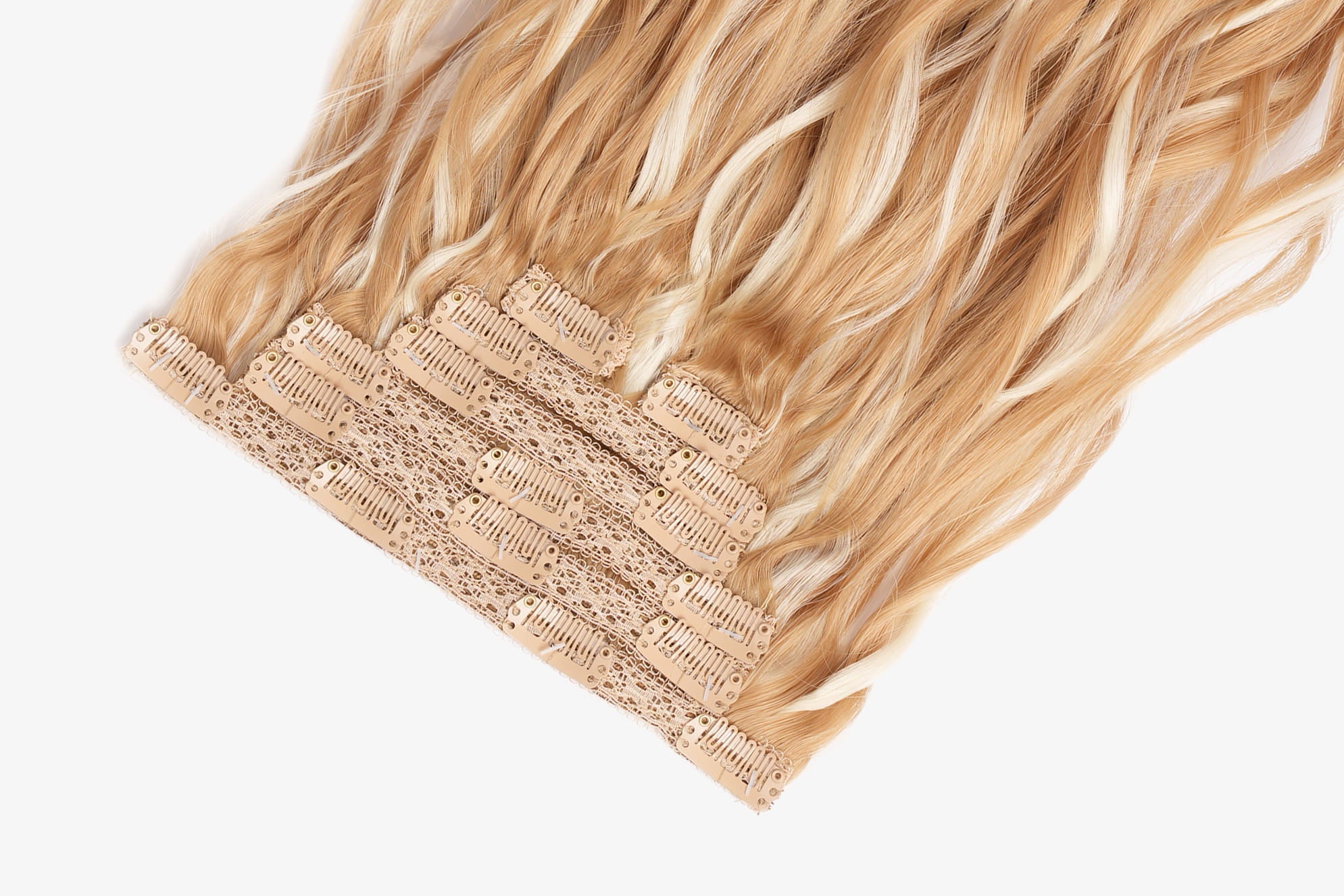
Because it’s partial, a topper is lighter (Morado’s run 31–105 grams versus considerably more for a full wig), cooler, faster to put on, and easier to make undetectable—the hardest part of any hairpiece is the hairline, and with a topper you’re using your own. Morado toppers are 100% Remy human hair, from the $69.99 silk-base pieces for part-line thinning up to the 8"×8" Aura volume topper (from $85.50) for extensive crown loss.
What a Wig Does Best
A wig replaces the whole head of hair, and there are situations where that’s not just acceptable but clearly kinder. When loss is advanced across the entire scalp—widespread alopecia, medical treatment, or thinning so diffuse that there isn’t enough stable hair for topper clips to anchor to—a wig delivers what a topper can’t: complete, even coverage with no dependence on your natural density.
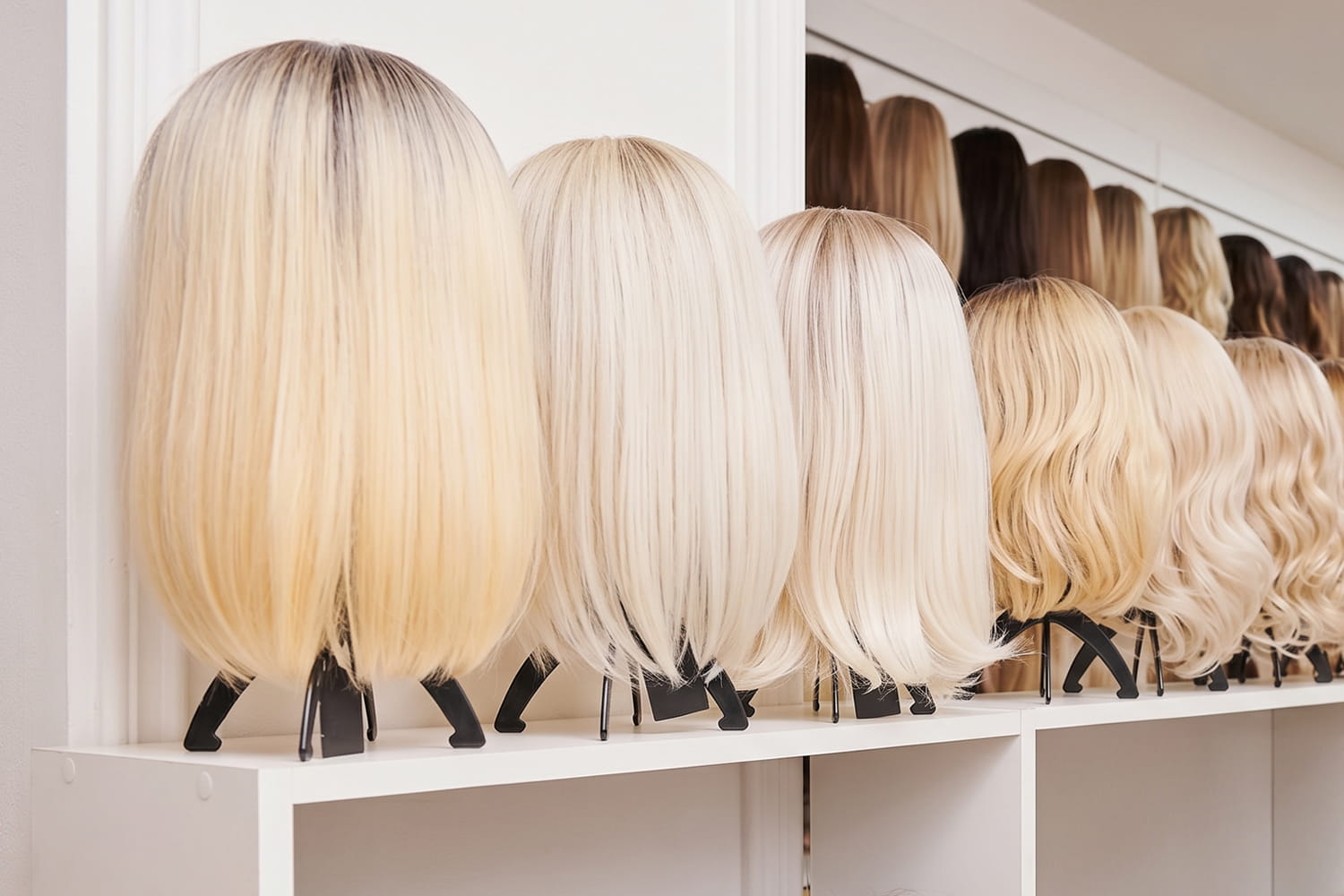
Wigs also win on transformation freedom: total color and style changes with zero commitment, and protective styling that gives your natural hair a full rest underneath. Morado’s premium synthetic wigs in our Ruby line make this route especially easy—the style is set into heat-resistant fiber, so the wig looks freshly done every single wear with almost no maintenance.
The Honest Comparison
|
Feature |
Topper |
Wig |
|
Coverage |
Crown, part, top of head |
Entire head |
|
Your natural hair |
Visible, blended around the piece |
Fully covered underneath |
|
Hairline |
Your own—the most natural possible |
The wig’s—quality determines realism |
|
Weight & heat |
Light (31–105g), cool |
Heavier and warmer by nature |
|
Daily on/off |
Under 2 minutes, clips |
A few minutes; cap and adjustment |
|
Requires healthy anchor hair |
Yes—clips need grip |
No |
|
Style freedom |
Blends with your hair’s style |
Total reinvention any day |
|
Best stage |
Mild to extensive top thinning |
Advanced or all-over loss |
Three Questions That Decide It
-
“Is my hair around the sides and back still reasonably dense?” If yes—even with a very thin top—a topper preserves and uses that healthy hair, and your own hairline keeps the look effortlessly real. If the sides and nape are thinning too, a wig serves you better.
-
“Can clips find stable hair to hold onto?” Topper clips need healthy hair around the coverage zone. If gripping hair anywhere on top feels uncertain, don’t force it—a wig removes that worry entirely, and forcing clips onto fragile hair is the one way a topper can do harm.
-
“What does my daily energy budget look like?” A topper asks for a two-minute blend each morning and works with your hair. A Ruby synthetic wig asks for almost nothing—lift, place, go—and works instead of your hair. During treatment, grief, or exhaustion seasons, “almost nothing” can be the entire reason to choose it.
The In-Between Cases (Because You Might Be One)
Plenty of women genuinely sit between the two answers, and there are graceful moves for each case. If your top loss is extensive but your perimeter is strong, the 8"×8" Aura volume topper was built precisely for you—maximum coverage that still uses your own hairline. If you’re heading into a season of expected loss (a treatment plan, severe postpartum shedding), some customers start with a topper and keep a wig ready, letting them shift comfort levels day by day without drama.
And if you simply can’t decide, price is on your side: starting with a topper costs less, and the Morado Promise’s 90-day returns and exchanges mean a change of mind is a swap, not a sunk cost.
Whichever You Choose, Choose It Proudly
There’s no hierarchy here—a topper isn’t “less far gone” and a wig isn’t “giving up.” They’re tools, and the right one is whichever gives you back your morning. Our team has walked thousands of women through this exact decision; send us a photo and a sentence about your daily life, and we’ll tell you honestly which door we’d walk through in your shoes.
Frequently Asked Questions
Q. Is a topper more natural-looking than a wig?
For top-focused thinning, usually yes—because your real hairline, nape, and side hair frame the piece, the hardest illusions are handled by your own hair. For advanced all-over loss, a well-fitted wig looks better than an overstretched topper. Match the tool to the coverage needed and both look natural.
Q. Can I wear a topper over very thin hair?
Yes, as long as there’s stable hair around the thinning zone for the clips—the piece covers thin areas; it anchors to healthier ones. If clips can’t find secure grip anywhere, that’s the clearest sign a wig is the kinder choice, at least for now.
Q. Are wigs hot and uncomfortable?
Less than they used to be, but a full wig is inherently warmer than a partial piece—it covers your whole scalp. If heat is a dealbreaker and your loss pattern allows it, a topper’s smaller, breathable base (silk or ventilated lace) is the cooler daily wear.
Q. Why does Morado make synthetic wigs but human-hair toppers?
Different jobs. A topper must blend with and heat-style like your own hair, so 100% Remy human hair is non-negotiable. A wig is worn as a complete style, where Ruby premium synthetic’s set-in shape becomes a feature: it looks freshly styled every wear with almost zero upkeep, at a far more accessible price.
Q. Can I switch from a topper to a wig later—or back?
Absolutely, and many people move both directions as hair changes with seasons, health, and life. Your shade knowledge transfers between the two, and nothing about wearing one commits you to it. Buy for the head you have today; adjust whenever today changes.
Read more

Make your hair topper truly invisible: placement, blending tricks, heat styling, washing schedule, and storage — the complete care routine for 4–6 months of beautiful wear.
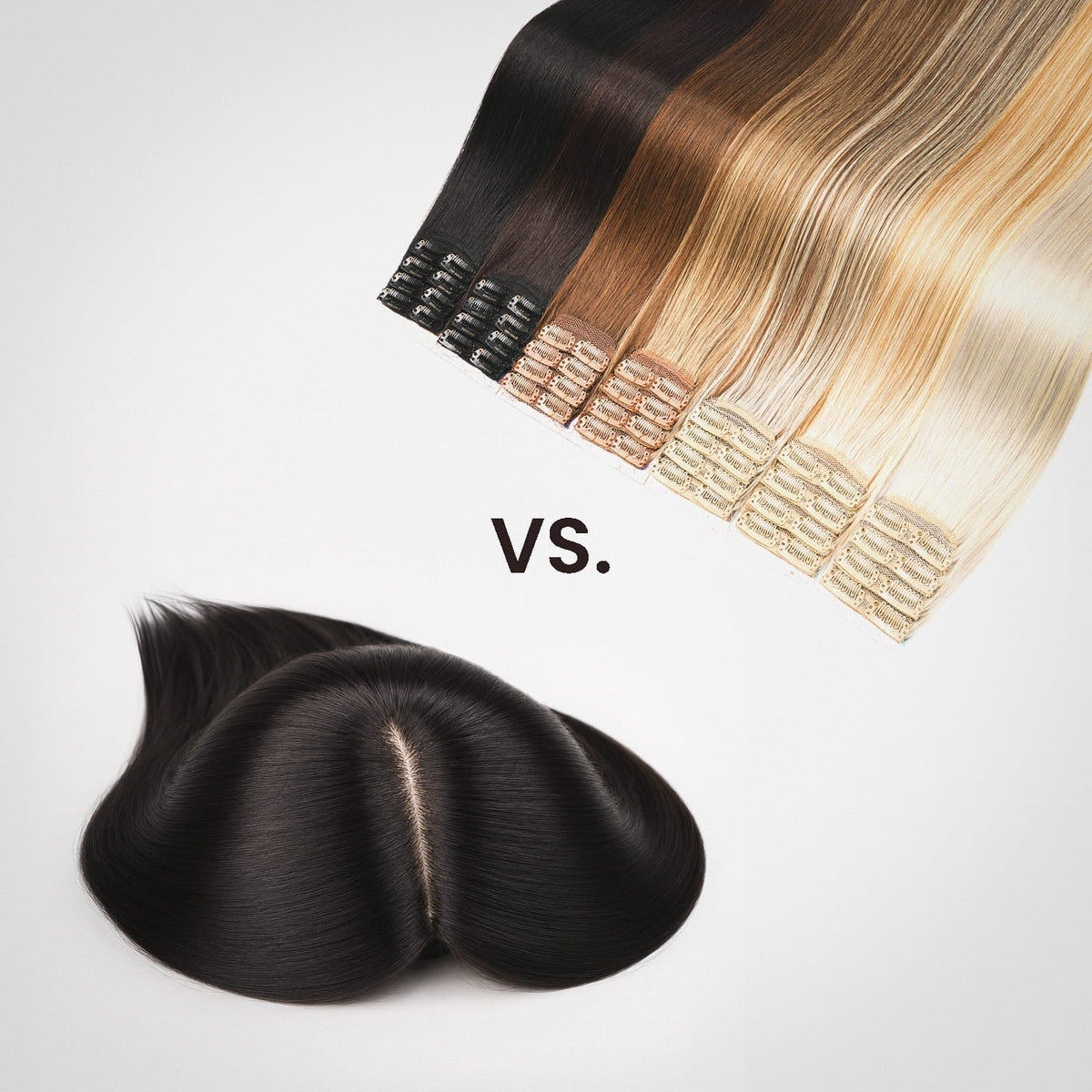
Discreet, damage-free coverage for thinning hair: how toppers and scalp fill-ins work, which one matches your thinning pattern, and how to wear them invisibly.