
Undertones Explained: Warm, Cool & Neutral
Two women order the same “medium brown” extensions. On one, the wefts vanish — you couldn’t find them with a flashlight. On the other, they hover against her hair like a slightly wrong echo, close but visibly other. Same depth, same product, same length. The difference is the thing this article is about: undertone — the temperature humming underneath every hair color, and the reason “what number am I?” is only half of shade matching.
The lovely news: reading undertone is a five-minute skill. Once you see it, you can’t unsee it — in your hair, your friends’ hair, and every shade chart you’ll ever scroll.
What an Undertone Actually Is
Every hair color is built from a depth (how light or dark — the number on the shade) and a tone (its temperature). Tone comes in three families.
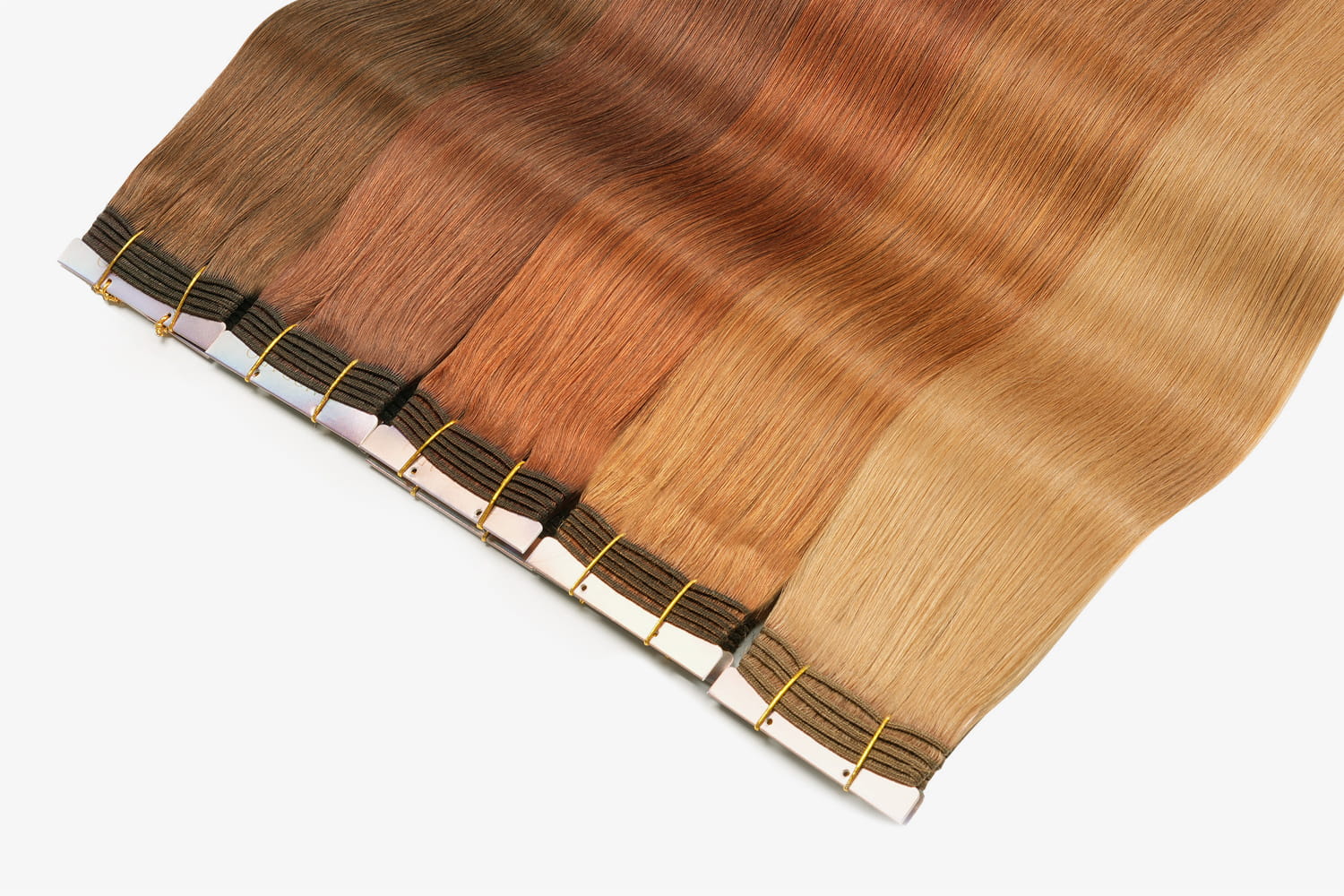
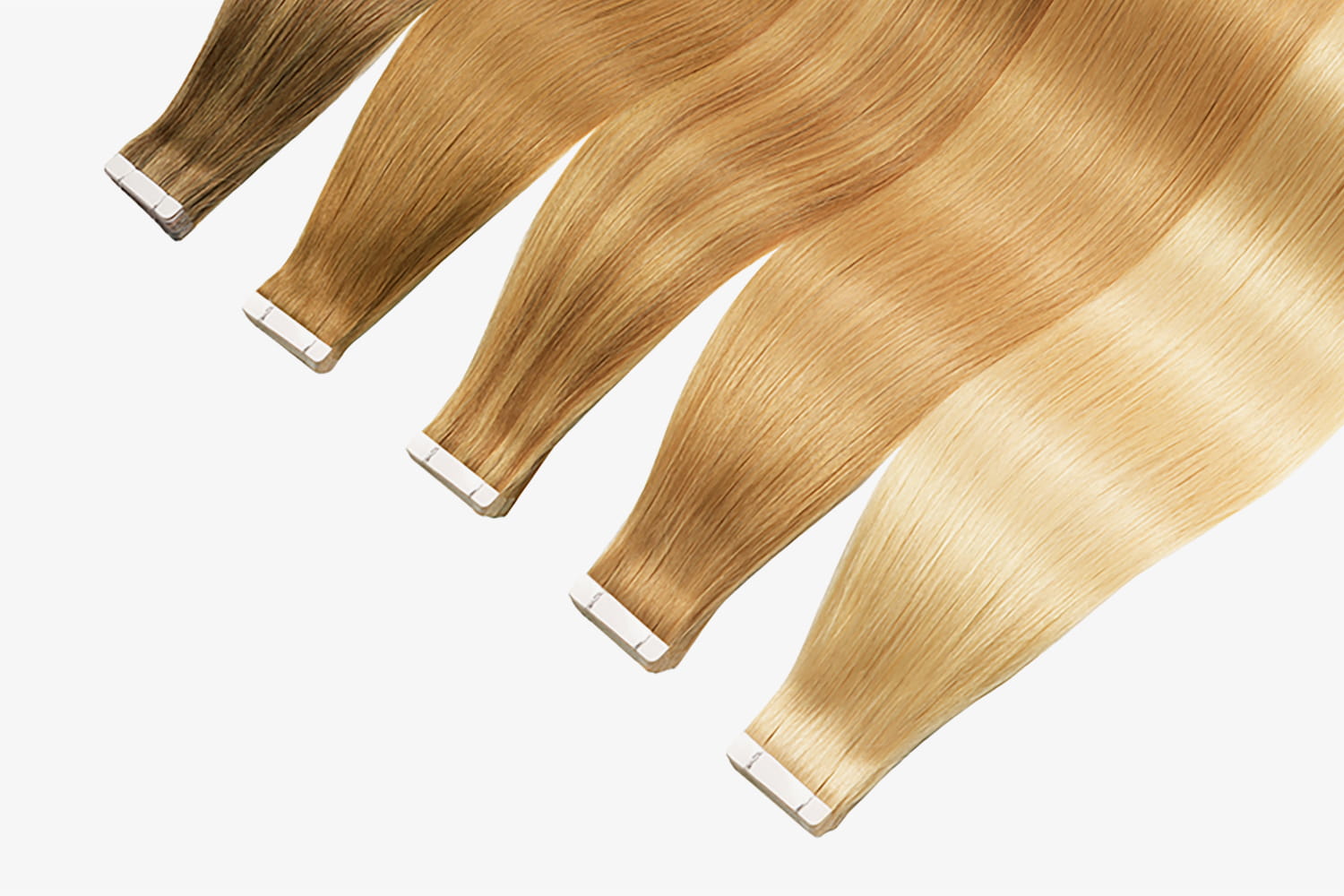
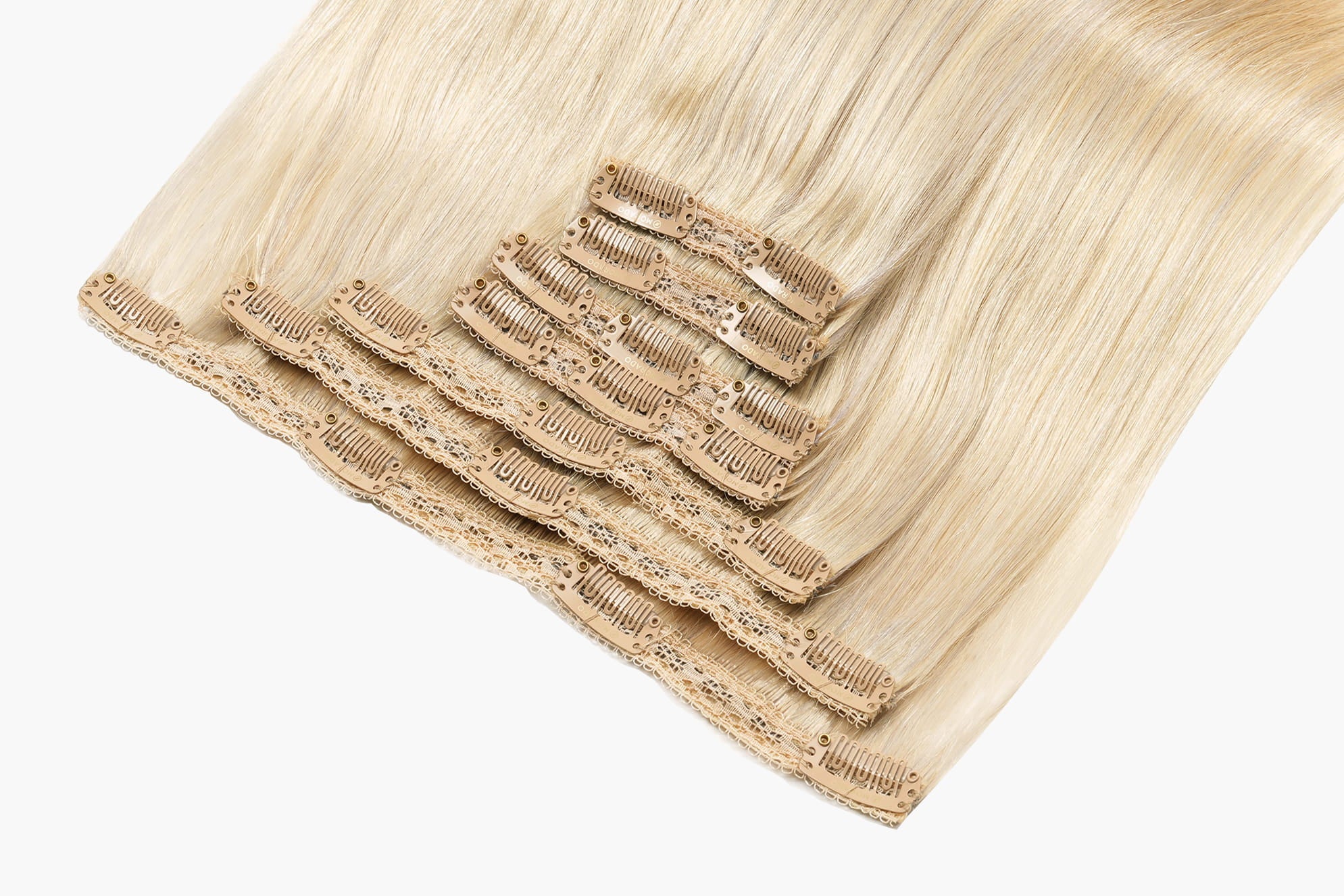
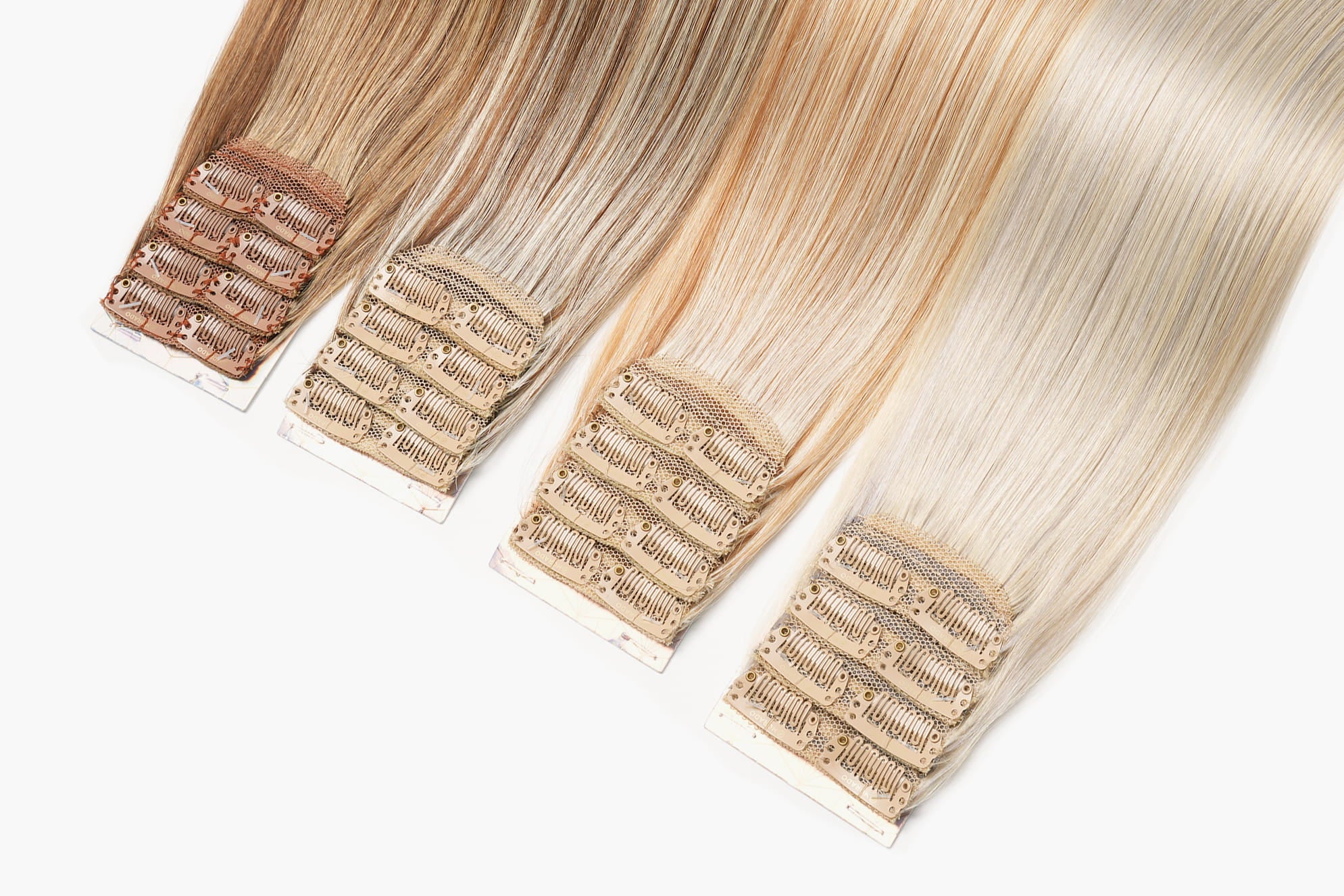
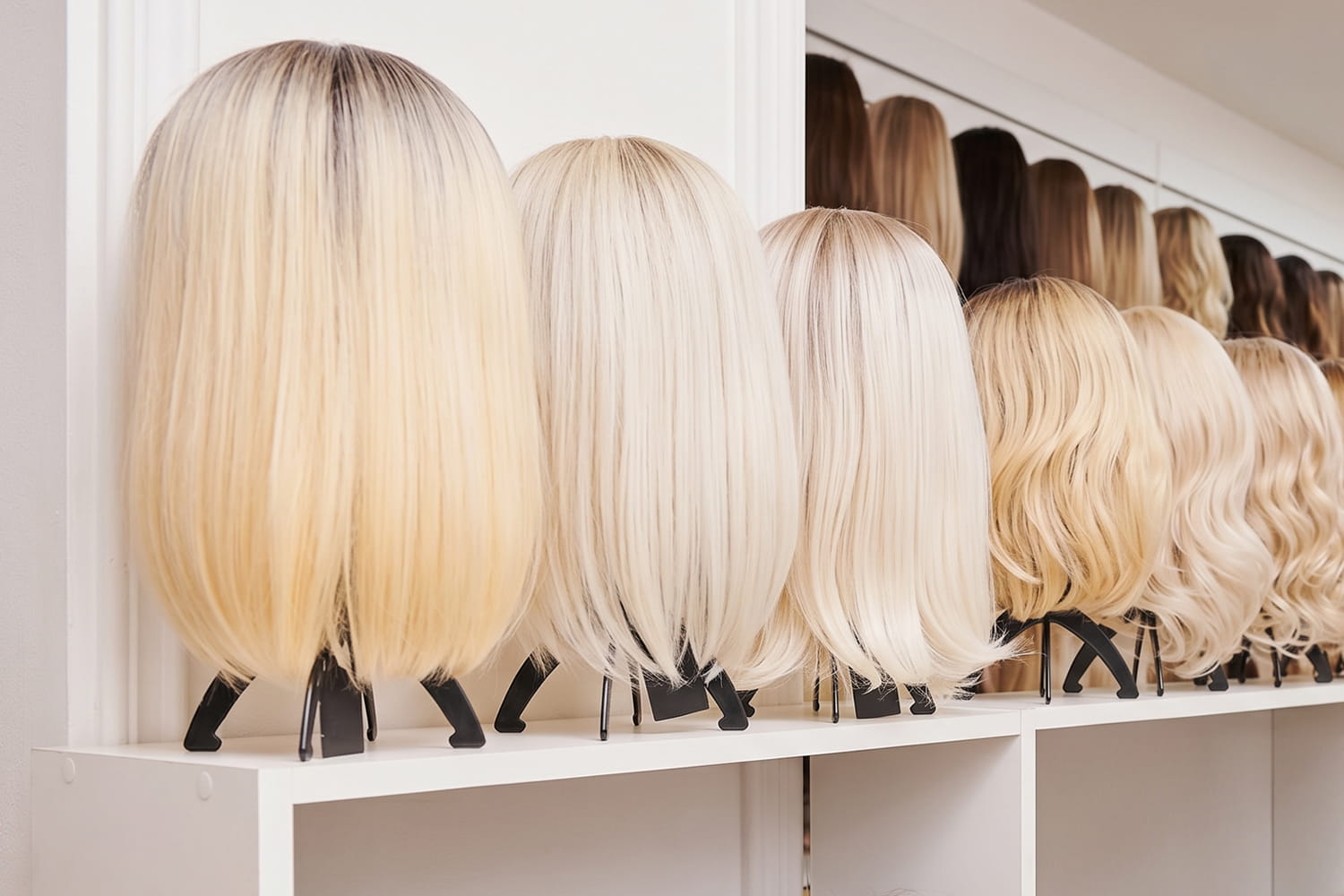
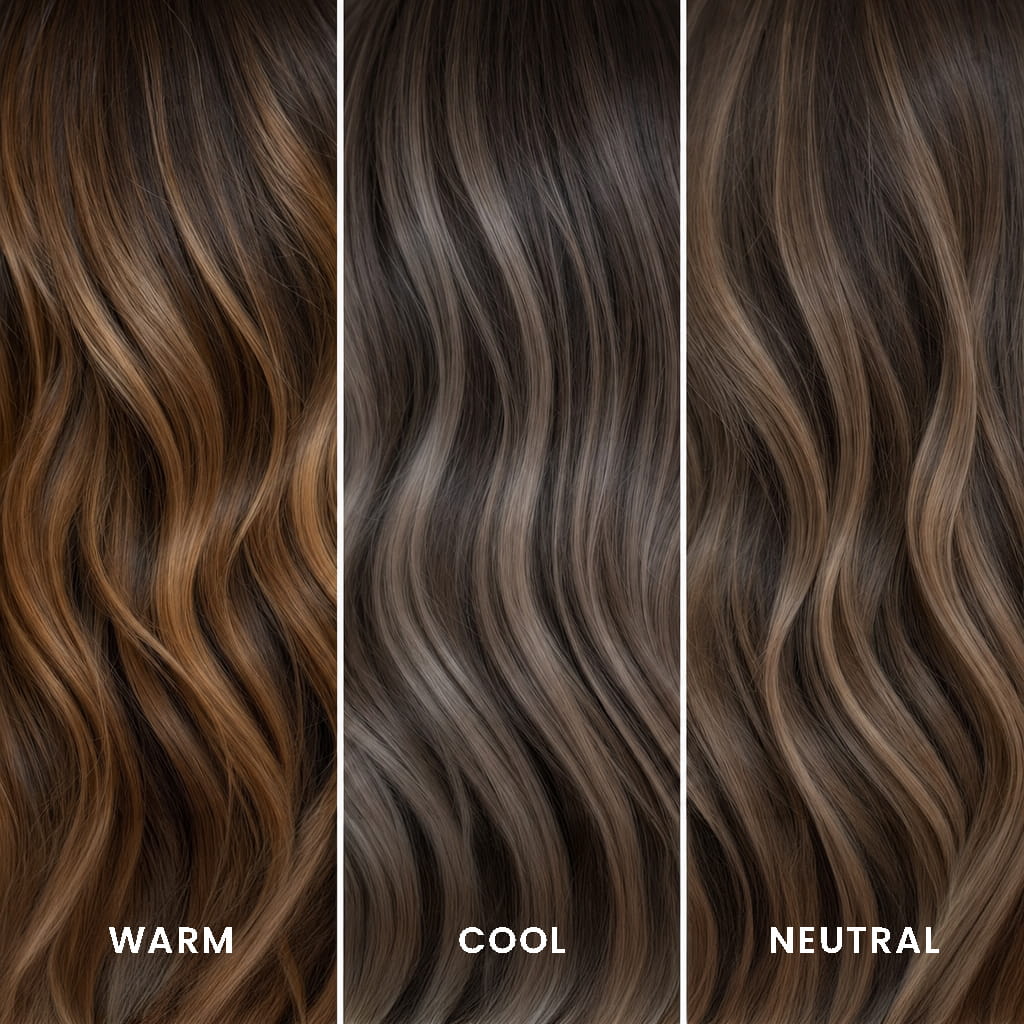
Warm hair carries gold, honey, copper, or red beneath the surface — it glows in sunlight. Cool hair carries ash, beige, or blue-violet undertones — it looks sleek and shadowy, with no orange glint. Neutral hair balances both, reading neither golden nor ashy — the chameleon that borrows from either side.
Undertone is why two browns of identical depth can look like different colors, and why matching depth but missing tone produces that “close but off” effect — the most common and most fixable extension mismatch.
The Three-Test Undertone Check
Test 1: The sunlight glint
Stand near a window with your daylight photo or a hand mirror and look at what your mid-lengths do with light. If the shine reads gold, caramel, or coppery, you’re warm. If it reads silvery, beige, or almost blue-black on dark hair, you’re cool. If you honestly can’t decide, that indecision is the answer: you’re likely neutral.
Test 2: The white paper test
Hold a plain white sheet of paper against your dry mid-lengths in daylight. White strips away context and makes the underlying pigment obvious — yellow-orange casts jump out as warm, ash-gray casts as cool.
Test 3: The jewelry shortcut
Skin and hair undertones usually travel together. If gold jewelry flatters you more, you probably run warm; if silver does, cool; if both look equally right, neutral. It’s a supporting clue, not a verdict — trust the hair tests first — but when all three point the same way, you can shop with total confidence.
Morado Shades by Temperature
Use the table as a compass, not a cage — lighting, screens, and your own dimension all matter, which is why the daylight tests come first and why our team happily confirms tone from your photos before you order.
| Warm | Cool | Neutral / Bridging | |
| Blacks & Darks | Off Black #1B (soft, brown-cast) | Jet Black #1 (blue-black, sleek) | Dark Brown #2 |
| Browns | Chocolate Brown #6D, Medium Chestnut Brown #4 | Ash-leaning Light Browns, Natural Light Brown #8 | Blends like #4/27 |
| Blondes | Warm Honey Blonde #27, Bronze Blonde #6 | Light Ash Blonde #16, Icy Platinum Blonde #60 | Platinum Blonde #613, blends like #6/613 |
| Specialty | Warm Auburn #32, Sun Kissed Peach #SP | Cool Silver Gray #IG | Two-tone blends |
Why Tone Mismatch Looks Worse Than Depth Mismatch
Here’s the counterintuitive part: your eye forgives a half-shade depth difference easily — natural hair varies in depth from strand to strand, so a slightly lighter weft reads as dimension. But temperature clash reads as wrongness.
Ash extensions in golden hair look dull and greenish against the glow around them; golden extensions in ash hair flash brassy orange in photos. The strands aren’t bad — they’re answering a different color question than the hair around them.
Practical rule: when torn between two shades, match the tone and compromise on depth — ideally choosing the lighter of the two depths in your correct temperature family.
Undertone Answers to Common Situations
-
“My hair is colored — which undertone counts?”
The one on your head now. Match the tone your colorist gave you, not your natural roots. If your color is fresh, note that some warmth often emerges as toners fade — a neutral shade bridges that drift gracefully. -
“I’m warm but I love icy shades.”
Wearing a fashion tone is different from matching one. If your lengths are golden, icy extensions will show; if you want the icy look, tone your whole head with your stylist first, then match extensions to the result. -
“My roots are cool but my ends are warm.”
Extremely common — lengths warm with sun and time. Extensions live at your ends, so match the ends’ warmth. A topper, sitting at your part, would match the cooler crown instead. -
“I really can’t tell.”
Then you’re probably neutral — and you’ve won the lottery: neutral shades and two-tone blends will both disappear into your hair. Or skip the analysis entirely and send us daylight photos; reading undertones is our day job.
The Five-Minute Payoff
Undertone sounds technical, but it collapses into one habit: before you look at shade numbers, ask, “is my hair golden, ashy, or neither?”
That single question, answered honestly in daylight, prevents nearly every disappointing unboxing — and with the Morado Promise’s 90-day exchanges covering the rare miss, temperature-matching turns shade shopping from a gamble into a skill you now own.
Frequently Asked Questions
Q. What’s the difference between depth and tone?
Depth is how light or dark a shade is — the number, like #2 versus #16. Tone is its temperature — warm (golden), cool (ash), or neutral. A perfect match needs both, but tone mismatches are more visible than small depth differences, so when compromising, keep the tone.
Q. Can a cool-toned person wear warm extensions?
The question that matters is whether your hair — not your season or skin — is warm or cool where the extensions sit. Match the hair. If you want to change your overall temperature, do it with your colorist across your whole head, then match extensions to the new result.
Q. Do undertones change over time?
Yes. Sun exposure warms lengths, gray arrival cools the overall canvas, and color treatments shift everything. Re-check your undertone in daylight whenever you buy new hair rather than assuming last year’s answer — especially after a color change.
Q. Are Morado’s blended shades warm or cool?
Most blends pair a deeper base with a brighter ribbon — like Medium Brown with Honey Blonde #4/27 (warm family) or Bronze Blonde with Platinum Blonde #6/613 (warm-to-neutral). Because they contain two tones, blends are the most forgiving choice when your undertone reading is uncertain.
Read more
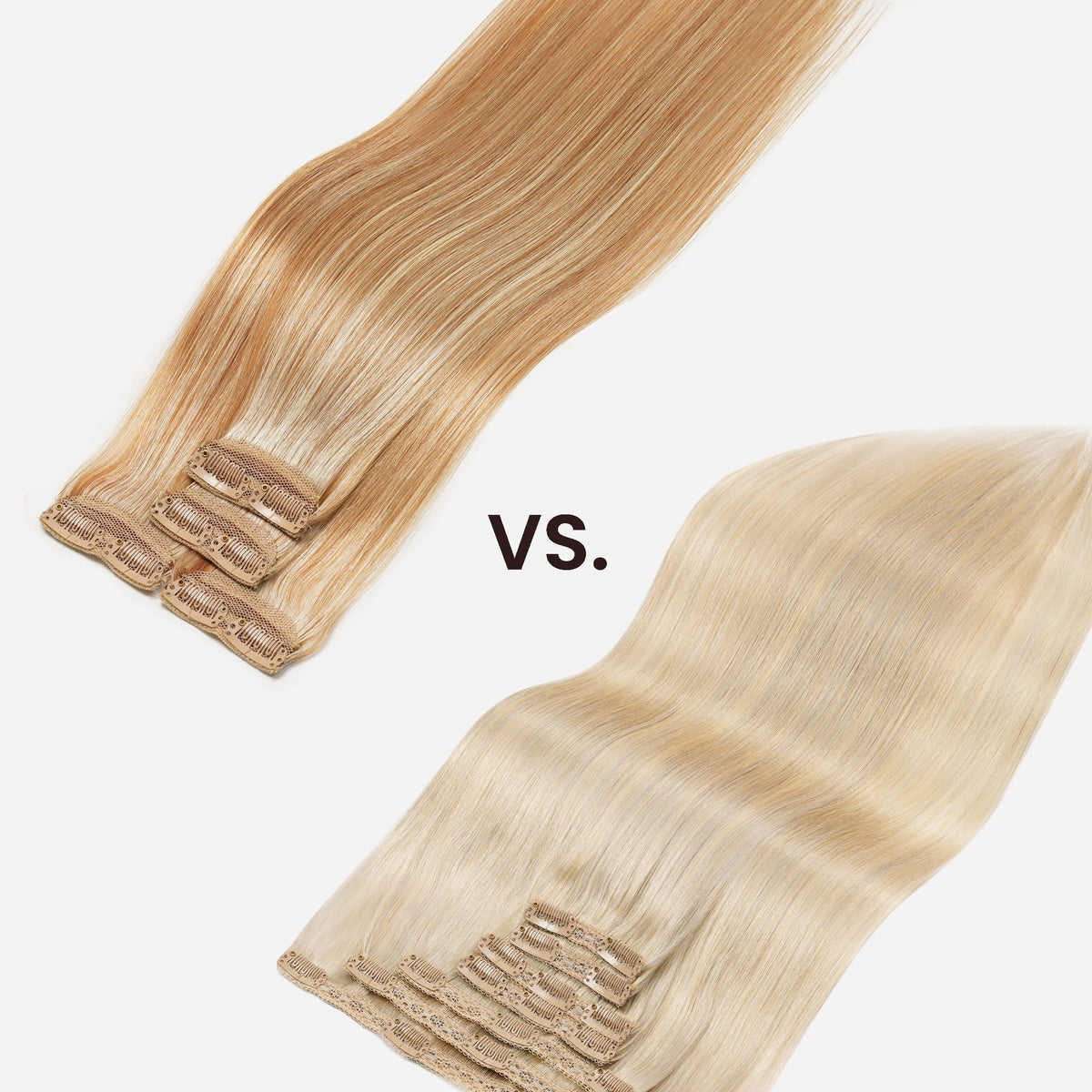
Fill-ins add density where hair is thinning; clip-in extensions add length and volume below. Learn which clip-in solution matches your goal — or how to wear both.
Fill-ins add density where hair is thinning; clip-in extensions add length and volume below. Learn which clip-in solution matches your goal — or how to wear both.