


Scalp Fill-Ins vs. Clip-In Extensions: Which Do You Need?
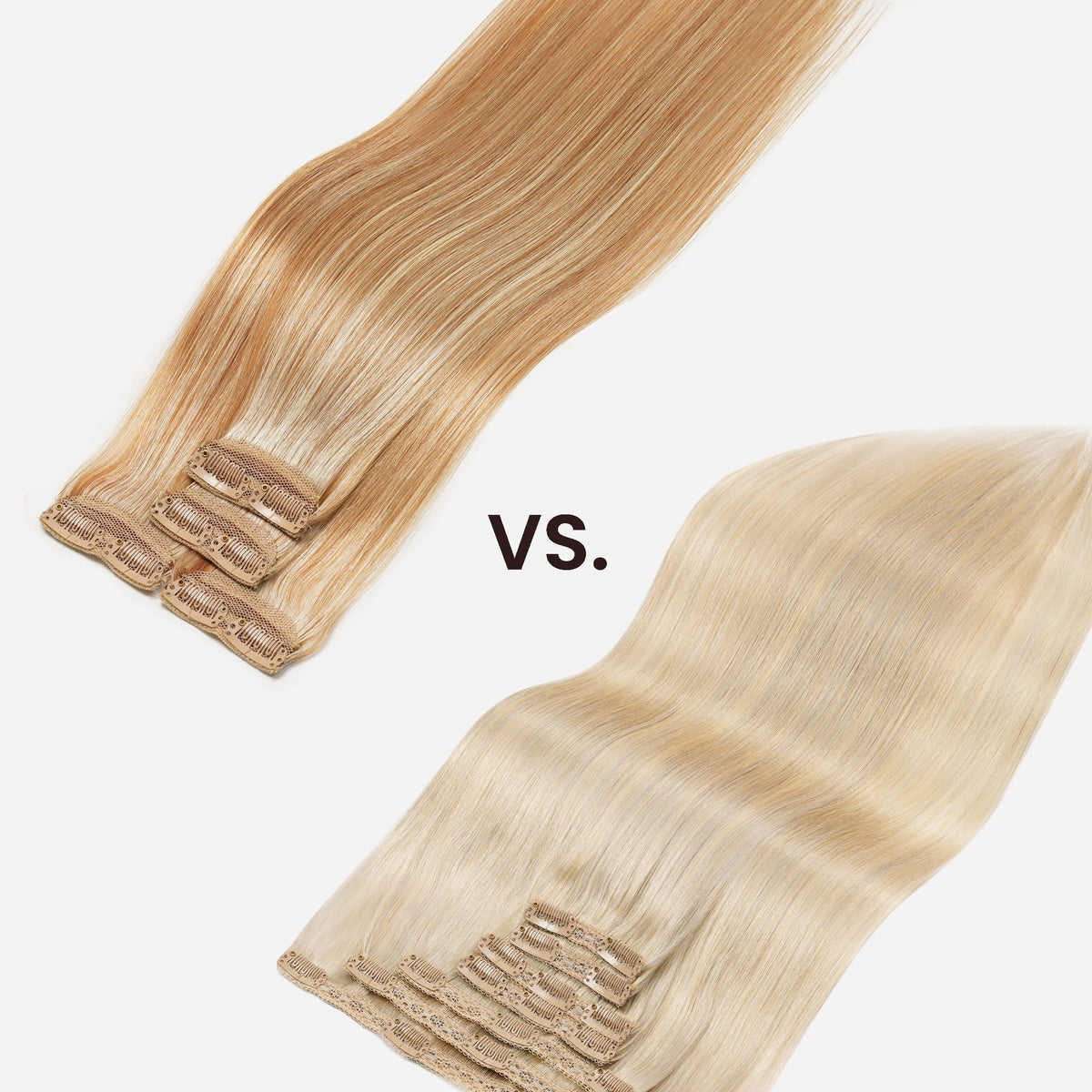
They both clip in. They’re both 100% Remy human hair. They both come out at night. So when Morado customers discover we make scalp fill-ins and clip-in extensions, the question arrives on cue: aren’t these the same thing? They’re not—and choosing the wrong one is the most common reason a first clip-in purchase disappoints.
The difference fits in one sentence: fill-ins add density up top, where hair is thinning; extensions add length and volume below, where hair already grows. Let’s unpack that so you buy the right tool the first time.
Meet the Two Tools
Scalp Fill-Ins: Density, Precisely Placed
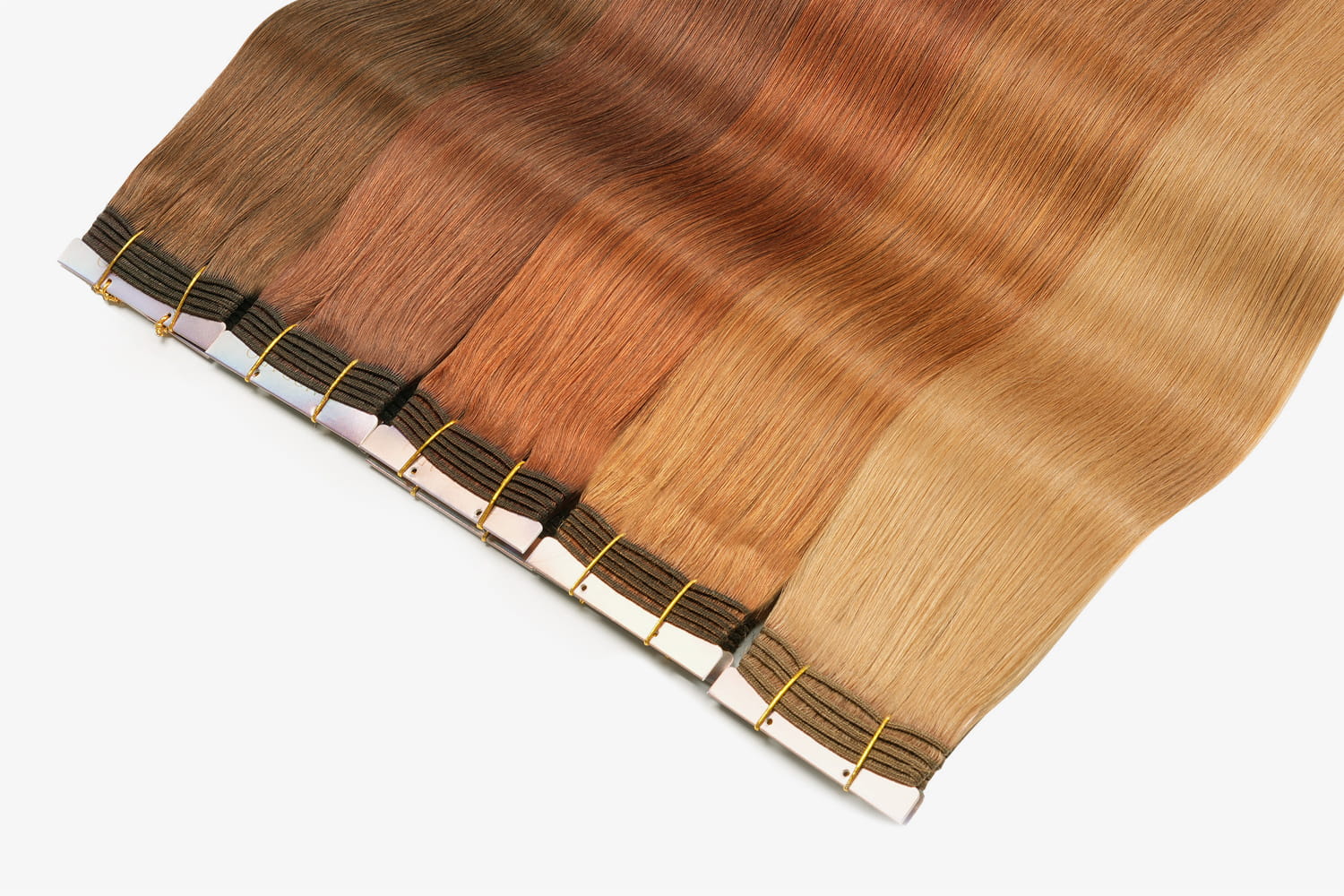
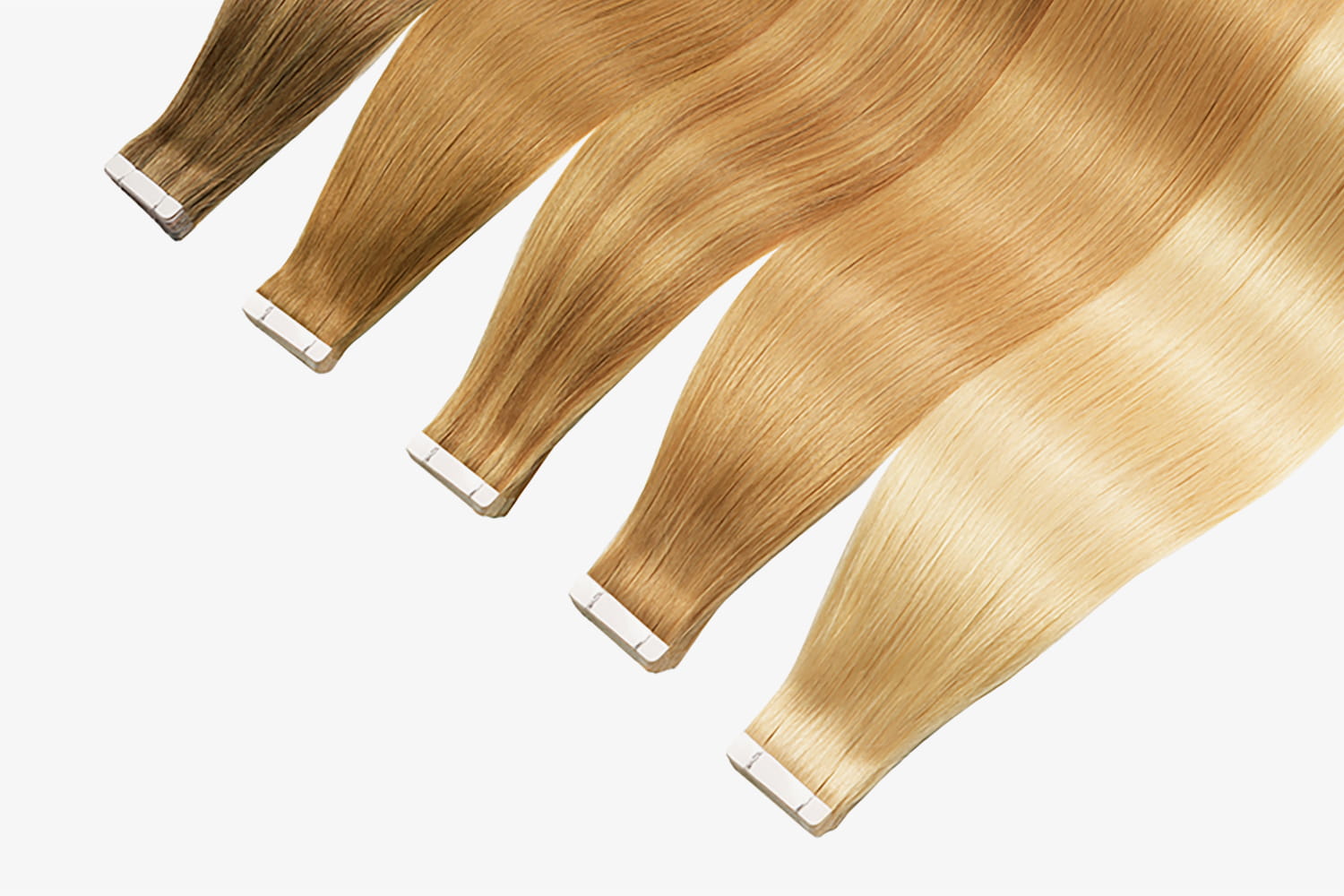
Morado’s scalp fill-in set is four slim wefts, each just 2.3 inches wide with two damage-free, pressure-sensitive clips. You place them individually, right where density dips: alongside a widening part (a quarter-inch to an inch and a half from the line), at thinning temples, or through a sparse crown region.
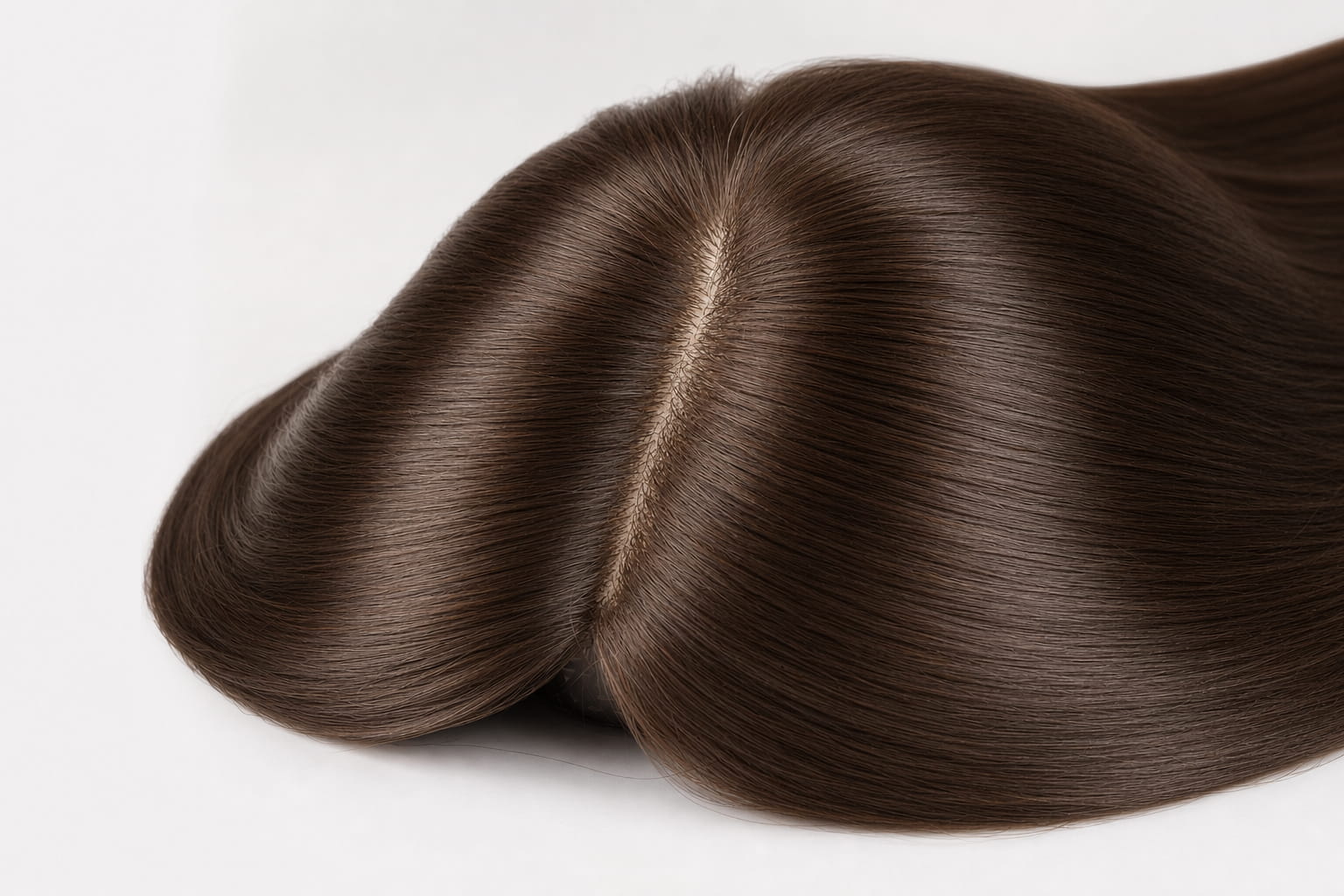
Your natural hair lays over each weft, and the added strands rise through it—coverage from within, not a piece on top. The whole set weighs 40–50 grams, comes in 16"–20" lengths and a multi-tonal adaptive coloring with built-in highlights and lowlights, and costs $31.50.
Clip-In Extensions: Transformation, Head-Wide
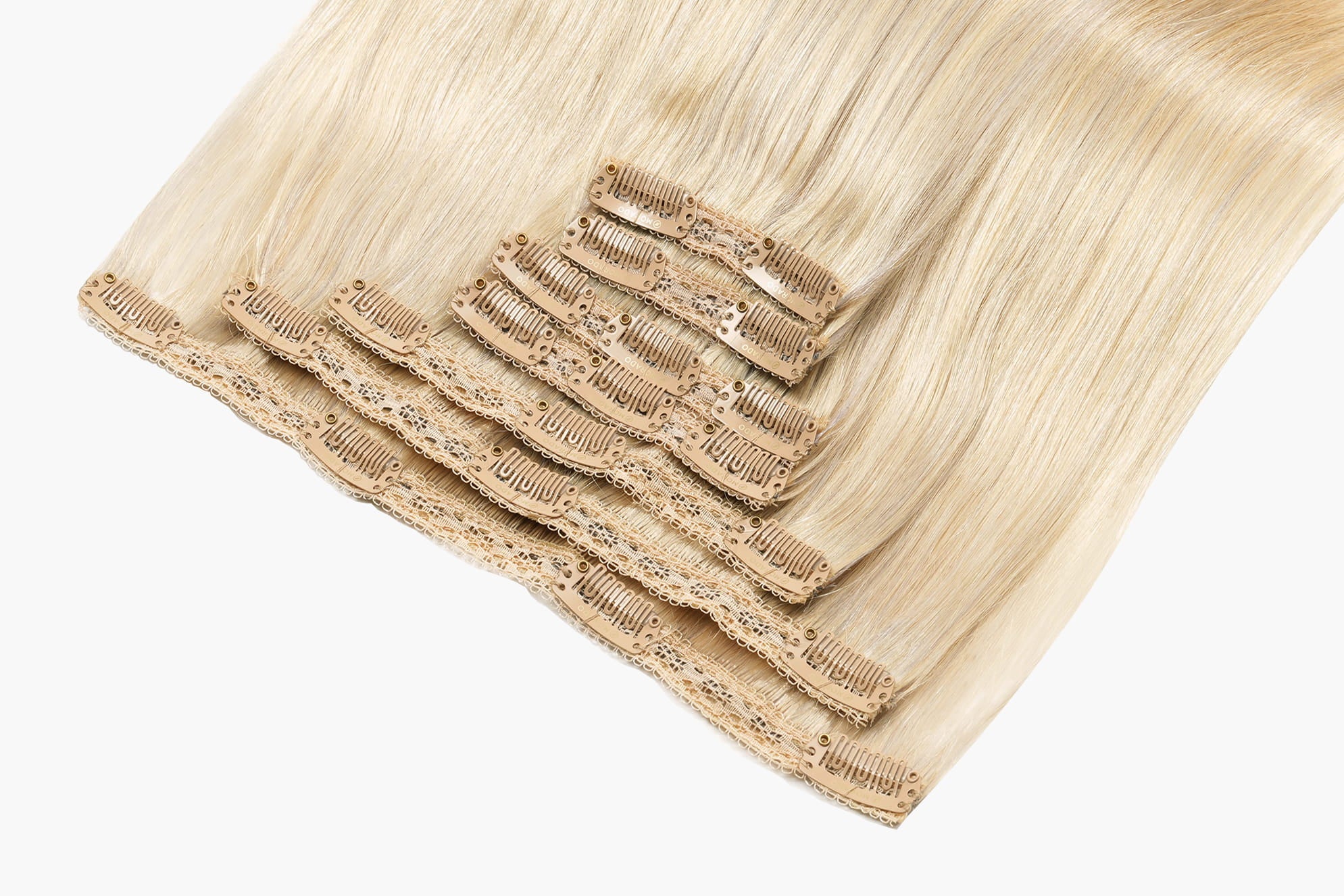
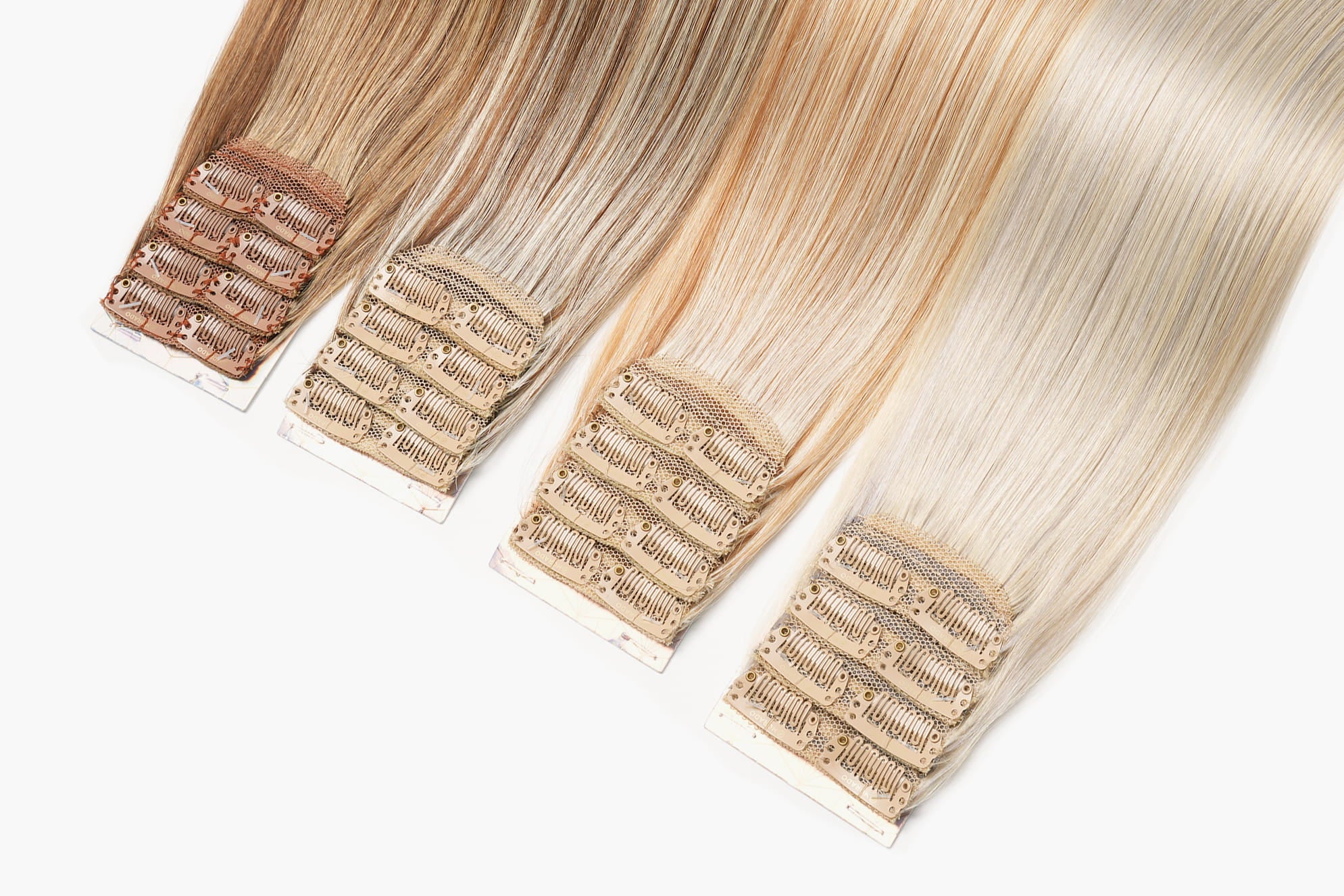
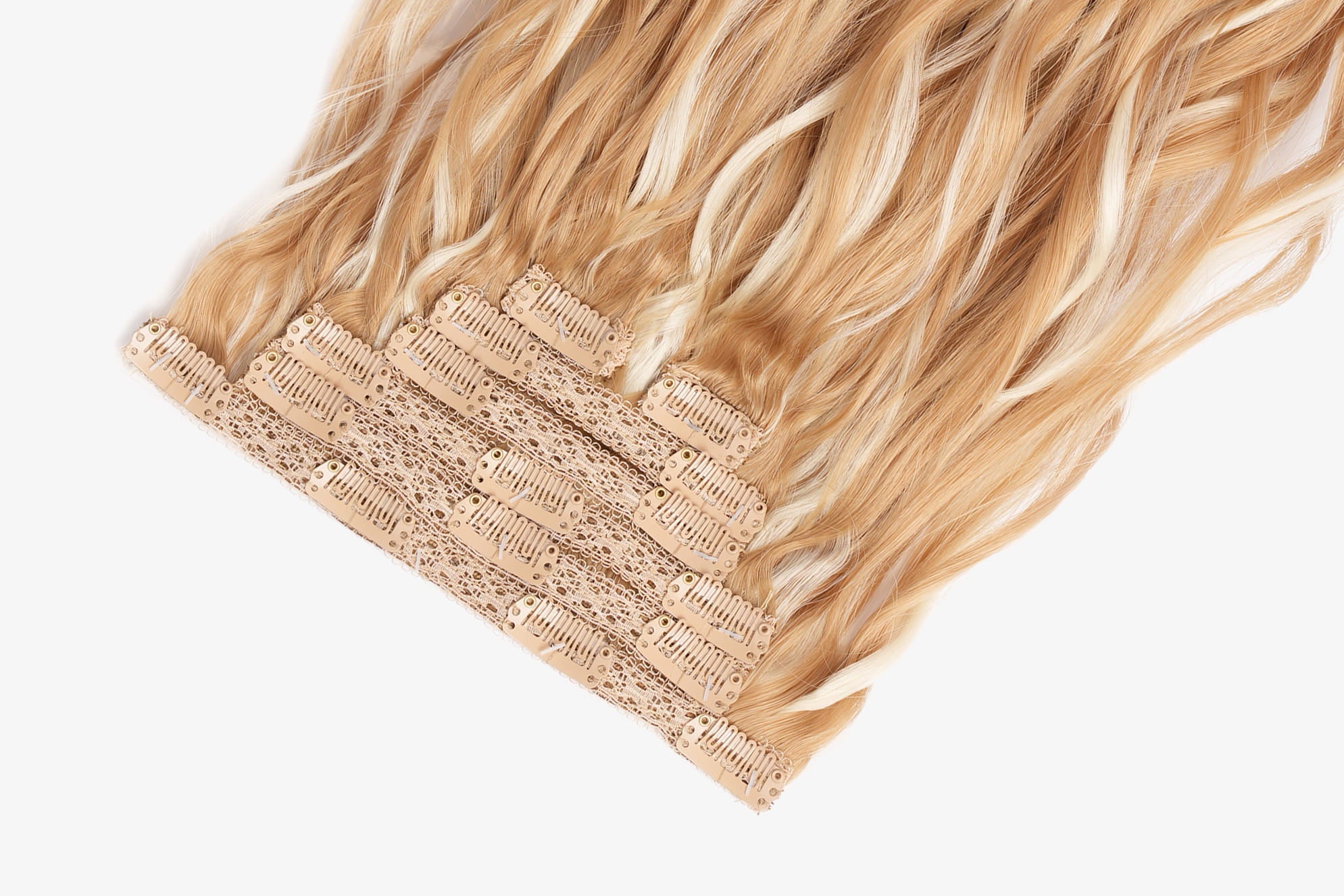
Our clip-in extension set is a different animal: seven graduated wefts of varying widths, designed to build length and volume around the whole lower head—nape, sides, and back—beneath your top layer of natural hair.
Sets come in 18" and 22" lengths across 13 shades, from $99.99, with soft silicone-backed clips. Ten minutes in the mirror turns shoulder-length hair into long, full, event-ready hair; ten seconds at night undoes it.
The Real Difference: What Problem Are You Solving?
Quick Self-Diagnosis
Ask yourself what you notice in the mirror:
-
“My part looks wider / my temples look sparse / I can see scalp.” That’s a density problem at the top of your head—fill-in territory. Extensions can’t fix this; they attach below the crown and add nothing where you’re looking.
-
“My hair is fine and my ponytail is thin, but no scalp shows.” Borderline—start with fill-ins scattered for all-over density ($31.50 makes experimenting painless), and add extensions later if you also want length.
-
“I want longer, fuller hair for photos, events, or just because.” Classic extensions territory. Your density is fine; you want more hair, and the 7-piece set delivers it in minutes.
-
“Honestly, both.” Very common, especially with fine hair—and the two tools are designed to layer: fill-ins up top for density, extensions below for length, all clipping out at night.
Why Not Just Wear Extensions Higher Up?
Tempting, and everyone with thinning tries it once. It backfires for two reasons. First, standard extension wefts are wide and comparatively heavy—clipped near the crown or temples, they strain exactly the fragile hair you’re trying to protect, and the clips can peek through low-density coverage.
Second, extensions hang down; thinning shows from above. A weft below a sparse part adds nothing where eyes actually land.
Fill-ins solve both problems by design: narrow, feather-light wefts that sit flat under a natural covering layer, close to where the density is missing. Right tool, right zone—your hair stays protected and the fix actually shows.
Wearing Them Well (Together or Apart)
The care overlaps completely, which makes owning both easy: clip to stable hair, remove nightly, wash every 15–20 wears with sulfate-free products, air-dry, and expect 4–6 months of regular wear from each.
Both take heat styling like your own hair, and because fill-ins, clip-ins, toppers, and Morado’s other lines share the same Remy quality and shade families, pieces bought months apart still blend as one head.
Scalp Fill-Ins vs. Clip-In Extensions
|
|
Scalp Fill-Ins |
Clip-In Extensions |
|
Solves |
Visible thinning, low density up top |
Wanting longer, fuller hair overall |
|
Placement |
Part edges, temples, crown region |
Nape, sides, back—below the crown |
|
Set Contents |
Four 2.3" wefts, 2 clips each |
Seven graduated wefts |
|
Weight |
40–50g |
Full transformative set |
|
Lengths |
16"–20" |
18" and 22" |
|
Effect |
Subtle: “your hair, denser” |
Dramatic: “your hair, transformed” |
|
Price |
$31.50 |
From $99.99 |
|
Wear Style |
Daily density, barely felt |
Events, outings, whenever you want more |
If you’re still unsure which door is yours, the economics make the decision gentle: a $31.50 fill-in set answers the density question with almost no stakes, and the Morado Promise—90-day returns and exchanges—covers whichever you choose.
Density where you need it, length where you want it, and nothing you can’t undo before bed.
Frequently Asked Questions
Q. Can scalp fill-ins cover a bald spot?
Fill-ins handle low density—areas where hair is thinner but still present to lay over the weft. A fully bare patch needs coverage from above instead: that’s topper territory, where a silk or lace base sits over the spot. If you’re unsure which yours is, send our team a photo; it’s usually obvious in seconds.
Q. Are fill-ins visible in fine hair?
They’re at their best in fine hair—that’s who they were designed for. The wefts are narrow, the set is feather-light, and placement a short distance from part lines keeps them under a natural covering layer. The multi-tonal coloring blends rather than banding, even against dimensional color.
Q. Can I sleep in fill-ins or clip-in extensions?
No—both come out before bed. Removal takes seconds, protects your natural hair from overnight tension and tangling, and is the single biggest factor in reaching the full 4–6 month lifespan of each piece.
Q. I have thinning and want length. Which do I buy first?
Fill-ins first. Solving density makes your hair look healthier immediately and costs $31.50 to find out. Add the extension set once you’ve confirmed the fill-ins blend well—you’ll also then know your perfect shade with certainty, making the bigger purchase risk-free in practice.
Read more
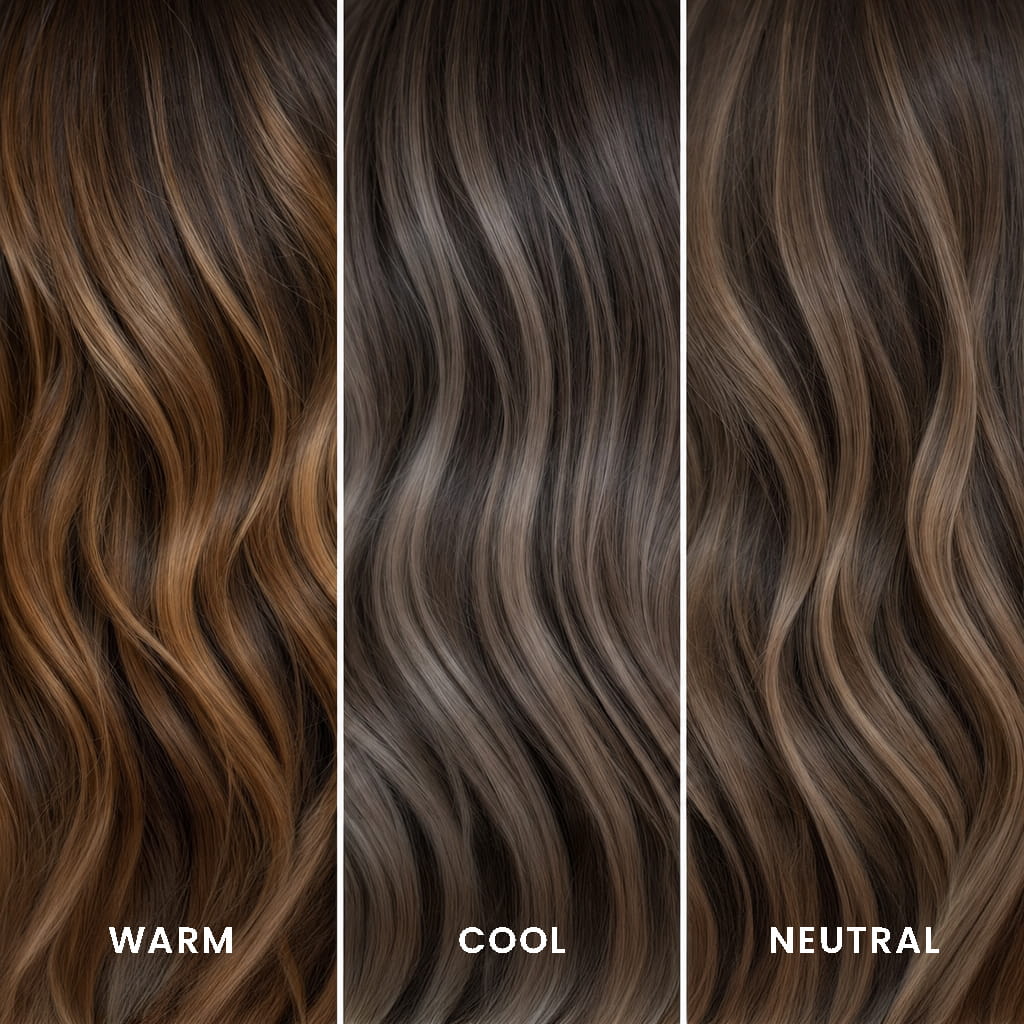
Warm, cool, or neutral? Learn to read your hair’s undertone in 5 minutes and choose extension shades that blend invisibly instead of clashing.
Warm, cool, or neutral? Learn to read your hair’s undertone in 5 minutes and choose extension shades that blend invisibly instead of clashing.