

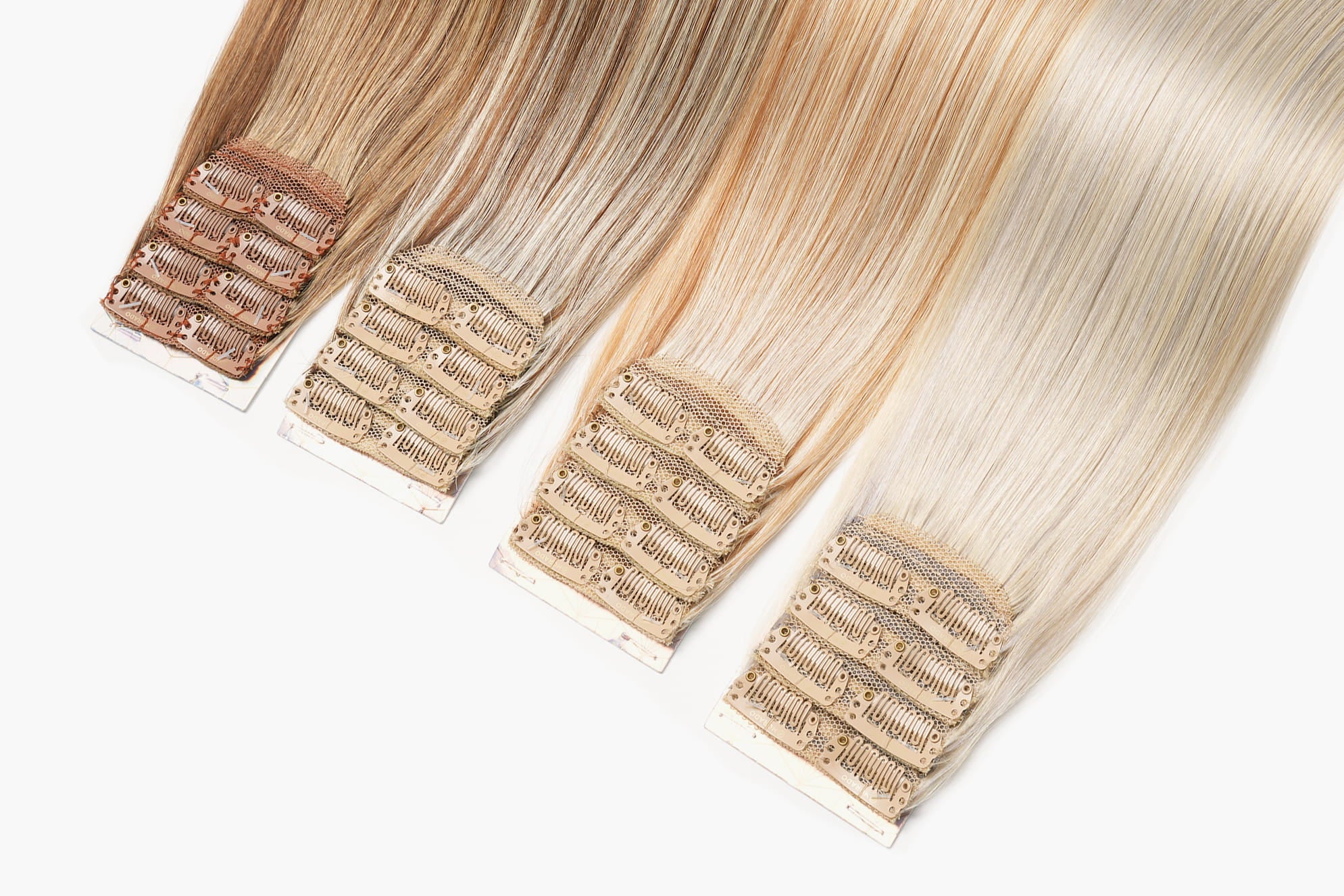
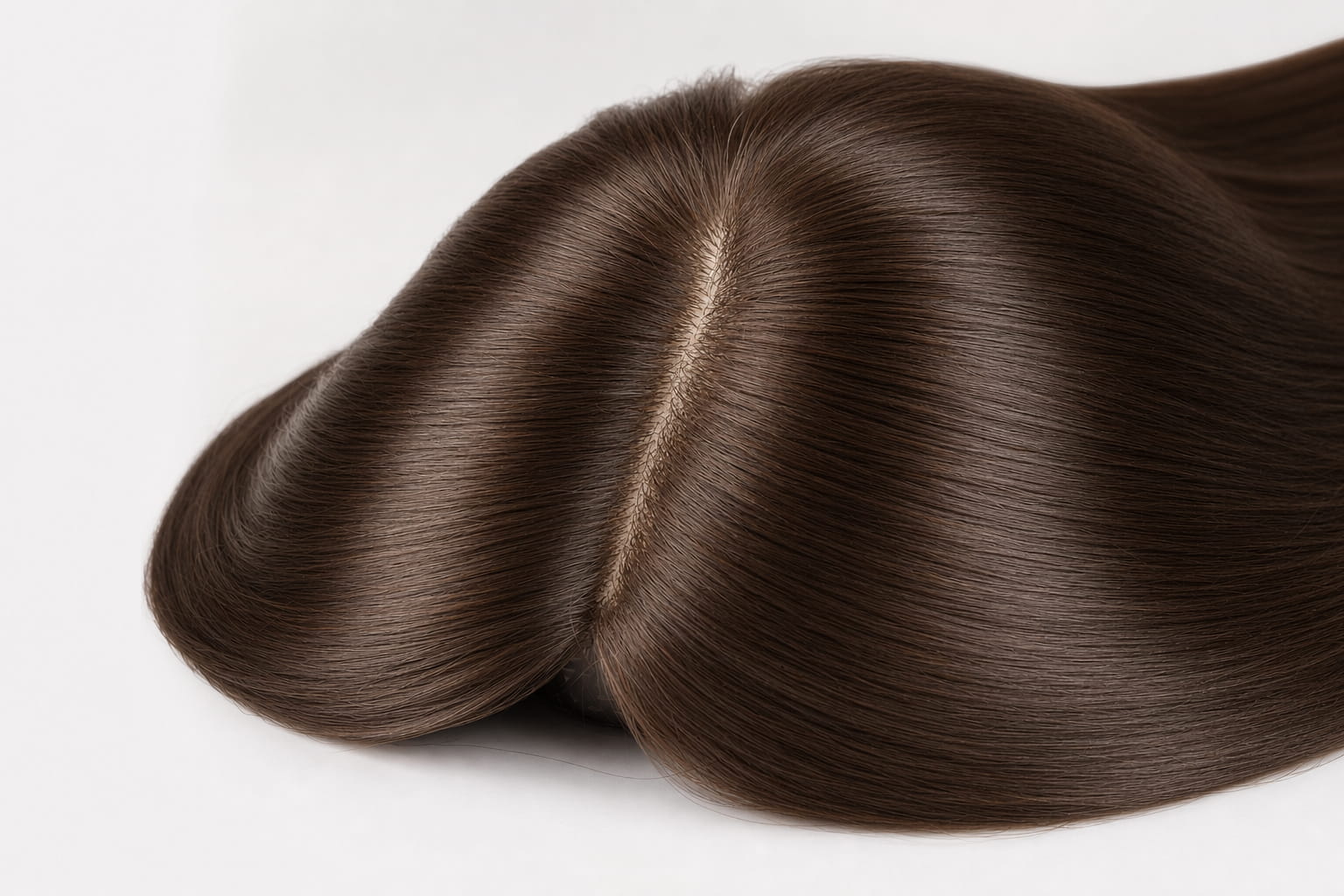
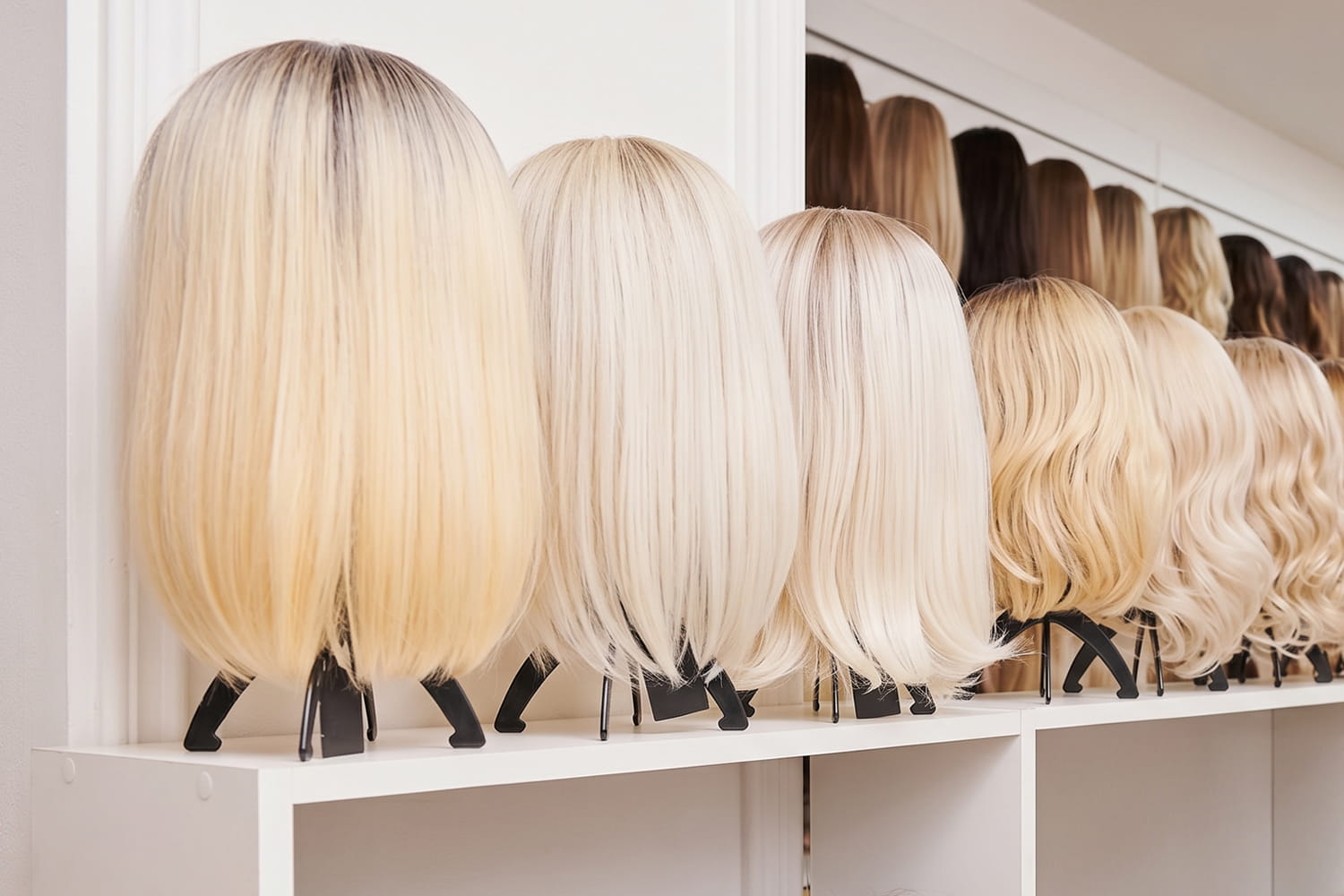
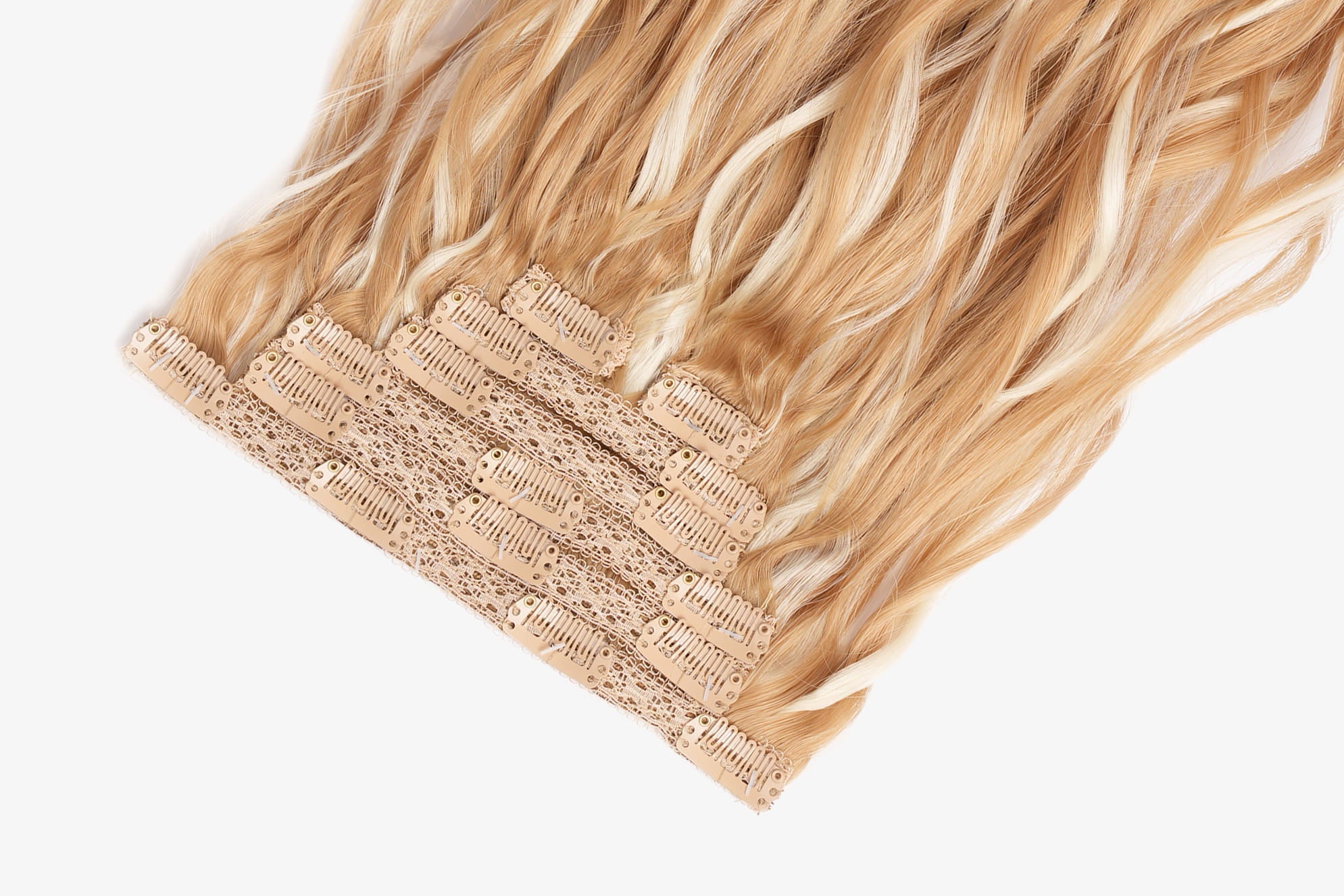

How Long Do Remy Extensions Last? (An Honest Timeline)

It’s the question everyone asks before buying and nobody gets a straight answer to: how long will these actually last? The internet offers everything from “three months” to “three years,” and both can be true — because extension lifespan isn’t a fixed property of the hair. It’s an equation: hair quality × wear frequency × care habits. Morado supplies the first variable — 100% cuticle-aligned Remy human hair, the longest-lasting kind made. The other two are yours. Here are the honest numbers, what moves them, and how to know when a set is truly done.
The Baseline Numbers
Notice the pattern: time worn, not time owned, is what spends a set. A topper worn three days a week lives roughly twice as long as one worn daily; clip-ins saved for occasions can look new on their second birthday. When you see a lifespan range, wear frequency is usually the difference between its ends.
| Type | Expected Lifespan | The Fine Print |
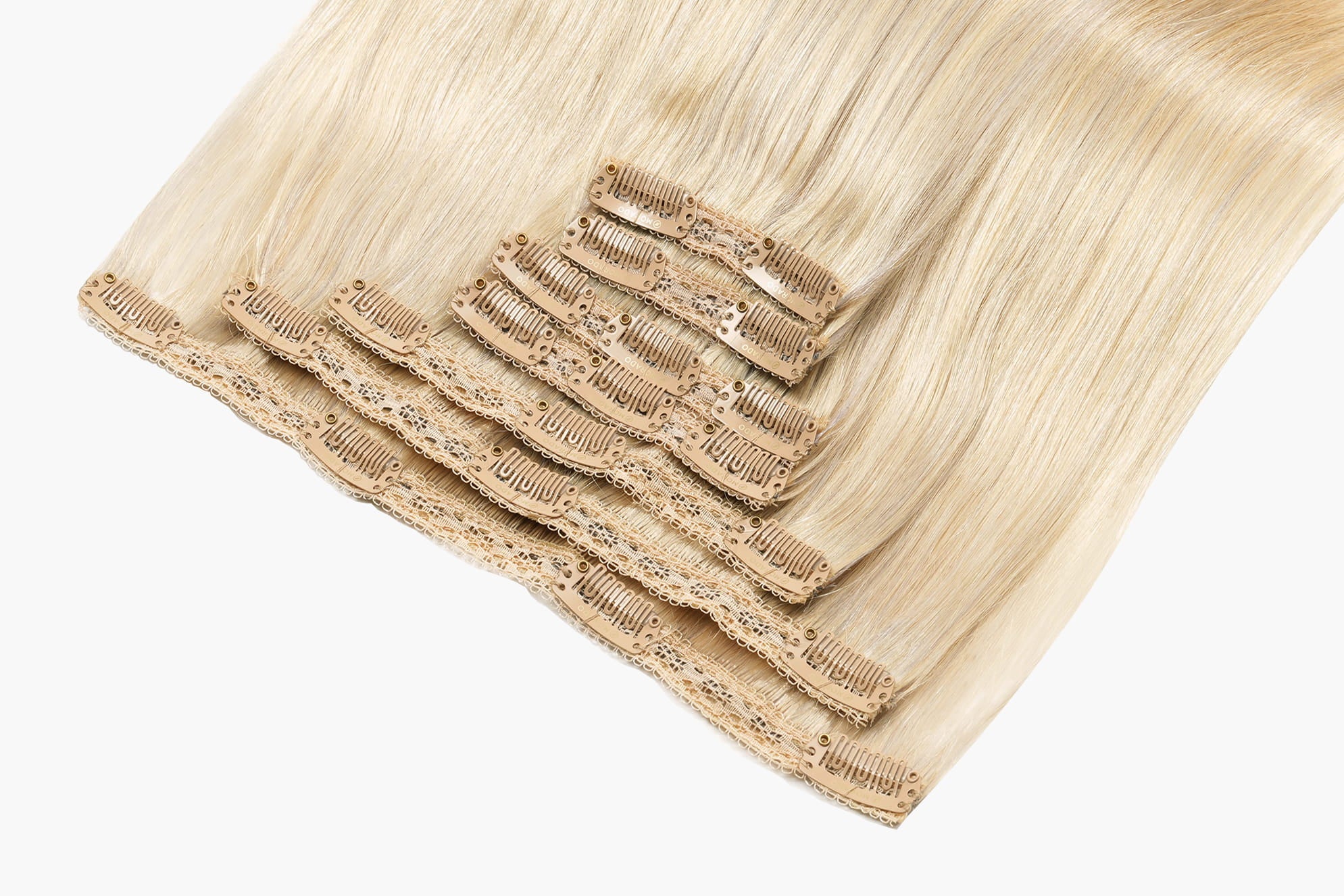
| Clip-ins (7-piece sets) | 1 year+ | Worn occasionally and stored well, often far longer — part-time wear is the lifespan cheat code |
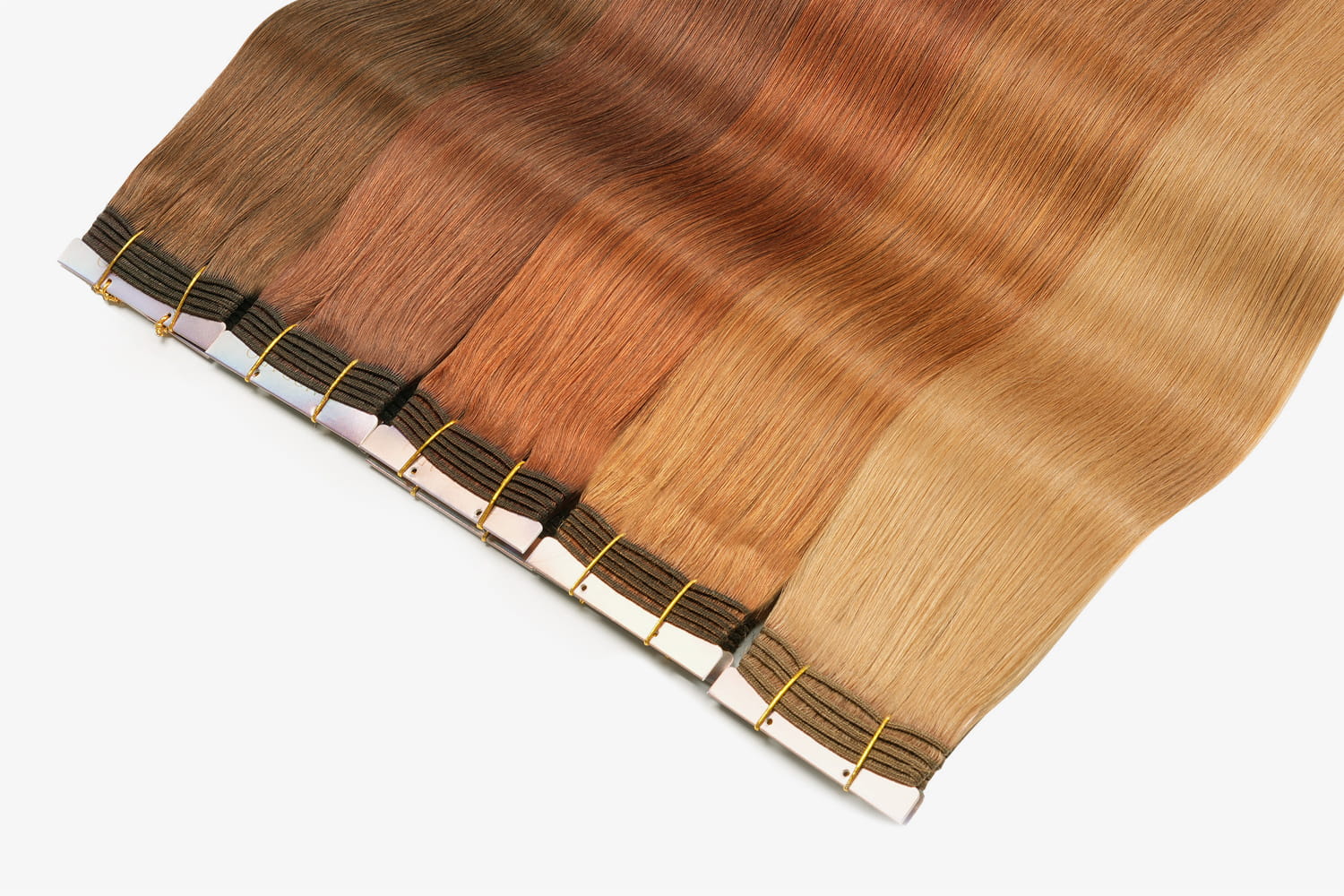
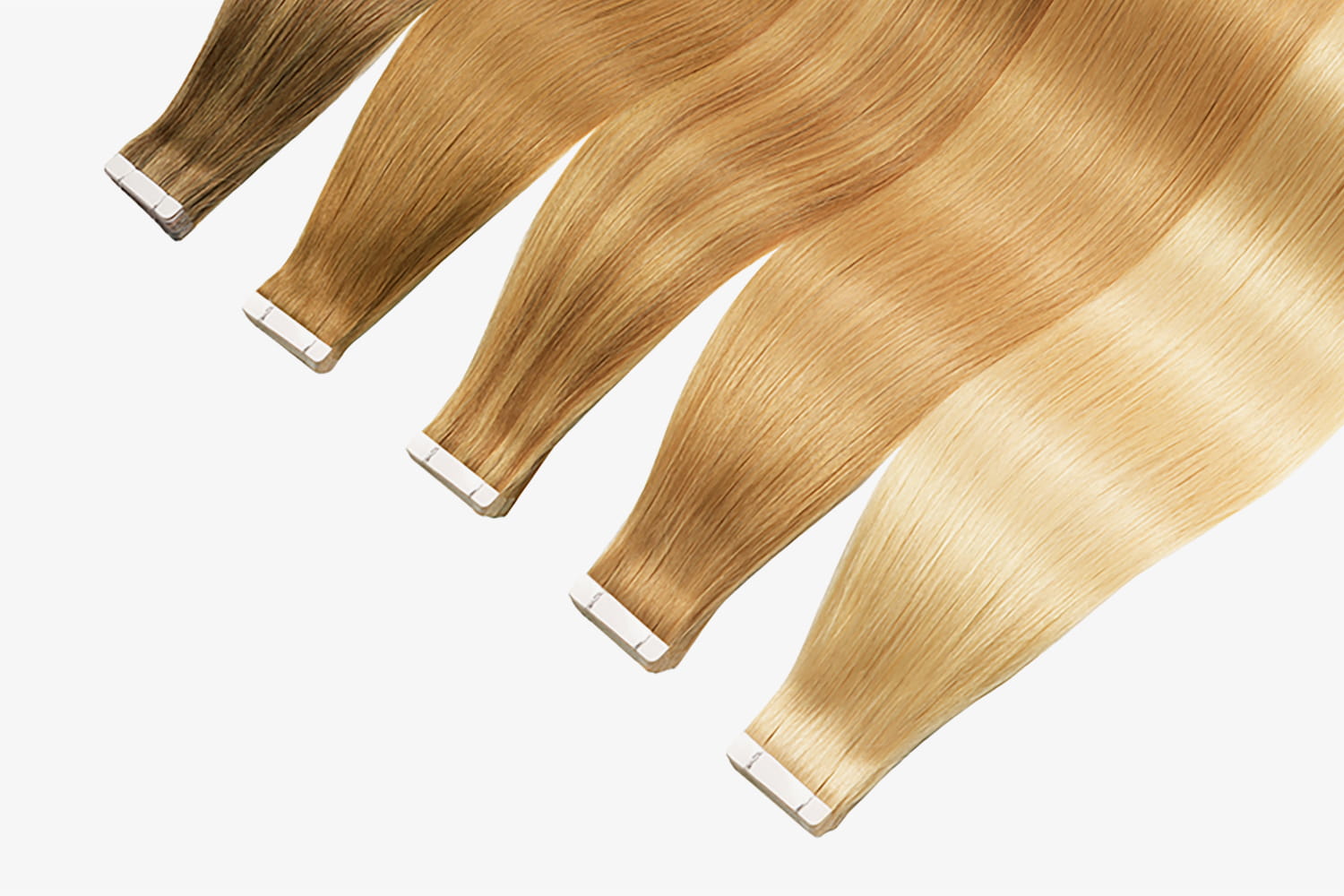
| Tape-ins | Multiple reinstalls | Each install lasts 6–8 weeks; the hair re-tapes across several cycles with proper care |
| Wefts (Aura & Diamond) | 4–6 months continuous wear | Move-ups every 6–8 weeks; gentle care decides which end of the range you get |
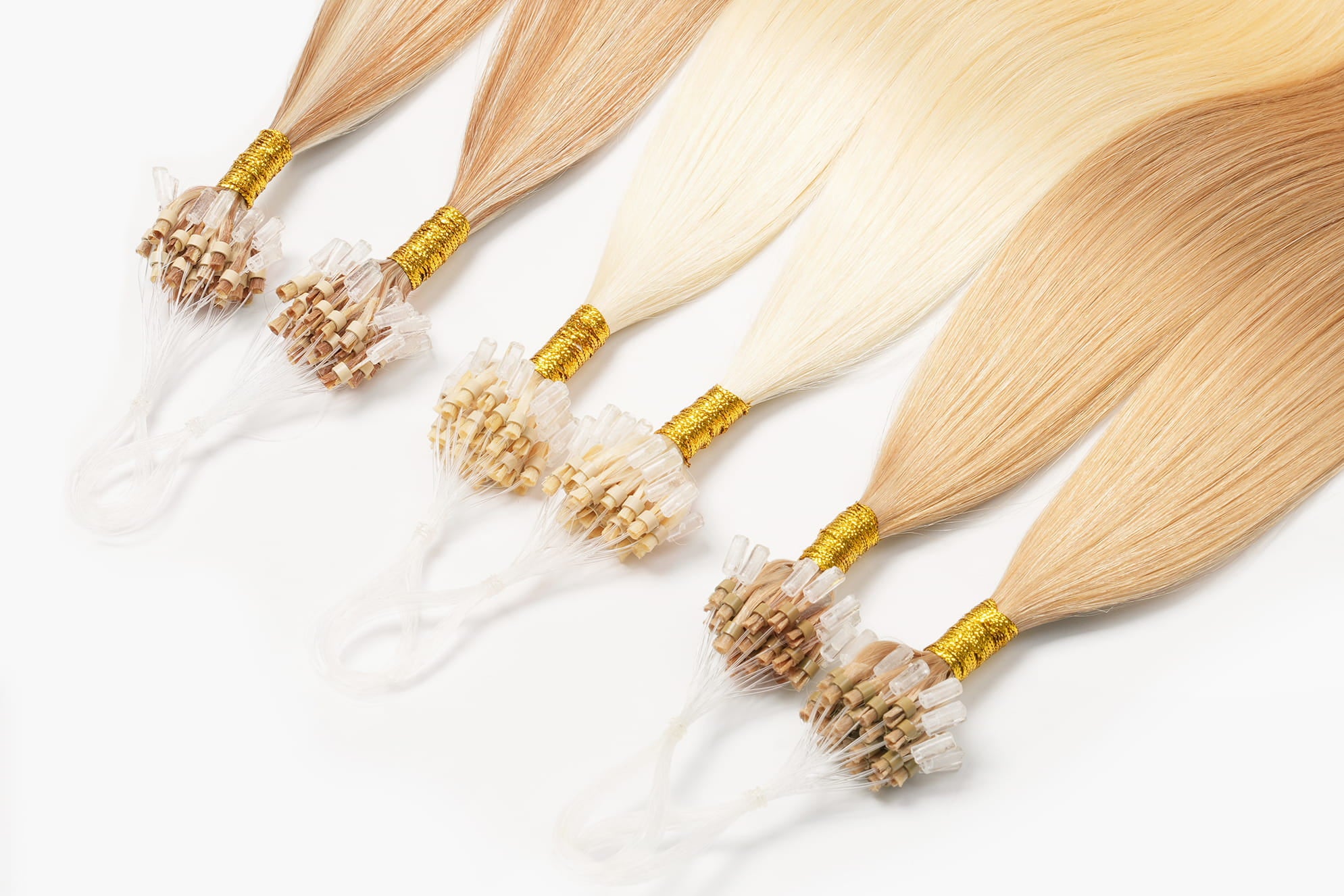
| Micro loops | 4–6 months continuous wear | Strands reusable with fresh beads at each repositioning |
| Toppers & fill-ins | 4–6 months of regular wear | Daily-worn pieces reach 4–6 months; occasional wear stretches well past it |
| Ruby synthetic | Varies with wear | The set-in style keeps it looking finished for its whole life with minimal effort |
What Shortens Extension Life (Ranked by Damage Done)
-
Moisture starvation. The #1 ager. Extension hair receives no scalp oils, so skipped conditioner and no masks leave it drying from day one — dryness then invites tangling, and tangling invites breakage. Most “my extensions died early” stories start here.
-
Sulfates, alcohol & hot water. Stripping products and high temperatures spend the hair’s finite moisture reserves faster than conditioning can rebuild them.
-
Friction. Sleeping in removable pieces, wet-hair pillow time, collar rub on the nape rows, unbrushed wind tangles — mechanical wear frays cuticles that never regrow.
-
Heat abuse. Daily high-temperature styling without protectant ages Remy hair just as it ages natural hair — except this hair can’t grow out the damage.
-
Chemical adventures. Bleaching (never survivable), repeated coloring, chlorine, and salt water all draw down lifespan permanently. Deposit-only color, done once and professionally, is the safe exception.
-
Skipped maintenance on installs. Move-ups every 6–8 weeks aren’t just for looks — grown-out attachments twist, tangle at the root, and stress both the extension and your natural hair.
What Extends It (The Compounding Habits)
The extending list is mercifully short, because it’s the shortening list inverted: wash rarely with sulfate-free products and condition generously (a weekly mask is the single highest-return habit); brush morning and night from the ends up; sleep with installed hair loosely braided and removable pieces safely off; use heat protectant and moderate temperatures; store idle pieces properly (see our storage and travel guide); and keep your move-up appointments. None of this is difficult — it’s the same gentleness you’d show good knitwear, applied to good hair.
How to Know a Set Is Actually Done
Extensions rarely fail all at once; they fade by degrees, and there’s a difference between hair that needs care and hair that’s finished. Needs care: dullness, mild dryness, slow-to-detangle ends — a mask, a trim of the last half-inch, and better wash spacing usually restore months of wear. Finished: matting that returns within hours of detangling, elastic or gummy strands when wet, thinning wefts from cumulative shedding, and ends that fray faster than you can trim them. When daily detangling becomes a chore you dread, the set is telling you it’s served its time.
Retirement isn’t always a funeral, either: a retiring clip-in set becomes practice hair for braids and updos, and a faded set often has months of “weekend hair” left after its daily-wear career ends.
Lifespan Is Mostly a Choice
Here’s the encouraging conclusion hidden in all these numbers: the gap between a set that lasts three months and one that lasts a year is rarely the hair — with Remy quality as the starting point, it’s the routine. Buy once, care well, and the math gets friendly: a Diamond weft set from $99.99, worn across its full 4–6 months of continuous wear (or far longer part-time), costs less per good-hair-day than most styling products. And if a set ever arrives short of the quality that makes those numbers possible, that’s what the 90-day Morado Promise is for. The lifespan question, honestly answered: longer than you fear, exactly as long as you treat it.
Frequently Asked Questions
Q. Do Remy extensions last longer than non-Remy?
Dramatically. Remy means every strand’s cuticle is intact and aligned in the same direction, so strands slide past each other instead of catching — the difference between hair that tangles occasionally and hair that mats within weeks. Non-Remy hair is often acid-stripped and silicone-coated; it feels fine at unboxing and degrades once the coating washes off. Lifespan is the main thing the Remy premium buys.
Q. How long do tape-ins last before they need moving up?
Each install holds 6–8 weeks — the limit is your hair growth, not the adhesive, since attachments that grow too far from the scalp begin to twist. The hair itself carries through multiple re-tape cycles, so a pack’s working life spans several appointments.
Q. Can I make a cheap set last as long as a Remy set with good care?
Care helps every set, but it can’t add what the hair doesn’t have — an intact cuticle. Non-Remy hair mats from the inside out regardless of routine. Care is a multiplier, not a substitute: it turns good hair into long-lasting hair, and mediocre hair into slightly-less-brief hair.
Q. Does hair color affect lifespan?
Somewhat. Lighter shades have undergone more processing to reach their color, so blondes and silvers benefit most from diligent conditioning and heat protection. Darker shades hide wear longer. All shades share the same care rules — light ones just repay them more visibly.
Q. When should I replace clip-in extensions?
When they tell you: persistent matting, gummy wet strands, visibly thinned wefts, or a blend that no longer disappears because the ends have frayed. For occasional-wear sets, that conversation is usually a year or more away — often several. Check clips too; worn clips are replaceable in minutes and aren’t a reason to retire good hair.
Read more

Which extensions can you sleep in — and how? The 5-minute nighttime routine for tape-ins, wefts, and micro loops, plus removal habits for clip-ins and toppers.
Step-by-step washing for clip-ins, tape-ins, wefts, micro loops, and toppers: how often, which products, and the mistakes that quietly ruin extension hair.