

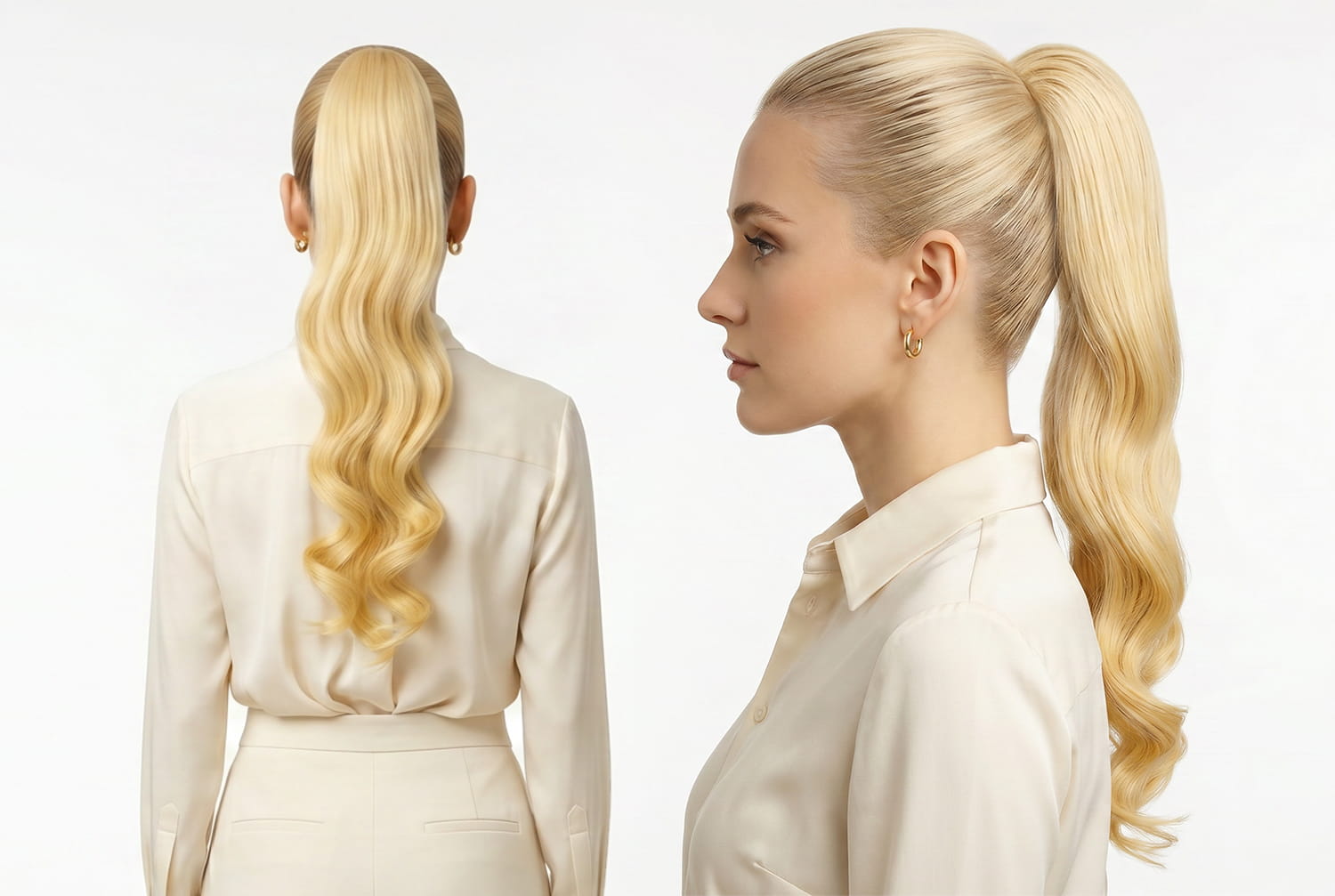
The Nighttime Routine: Sleeping With (and Without) Your Extensions

Here’s a truth that surprises most new extension wearers: the hours that age a set fastest aren’t the styled, photographed, out-in-the-world hours. They’re the unconscious ones. Eight nightly hours of pillow friction, compression, and tossing add up to more mechanical wear than most days deliver — which is why two women with identical sets and identical daytime care can end up with wildly different hair by month four. The difference happened while they were asleep. The good news: the entire fix takes five minutes a night.
First: Which Extensions Sleep With You, and Which Don’t
The rule writes itself once you see it: semi-permanent hair sleeps with you; removable hair never should.
| Type | Sleep In It? | Why |
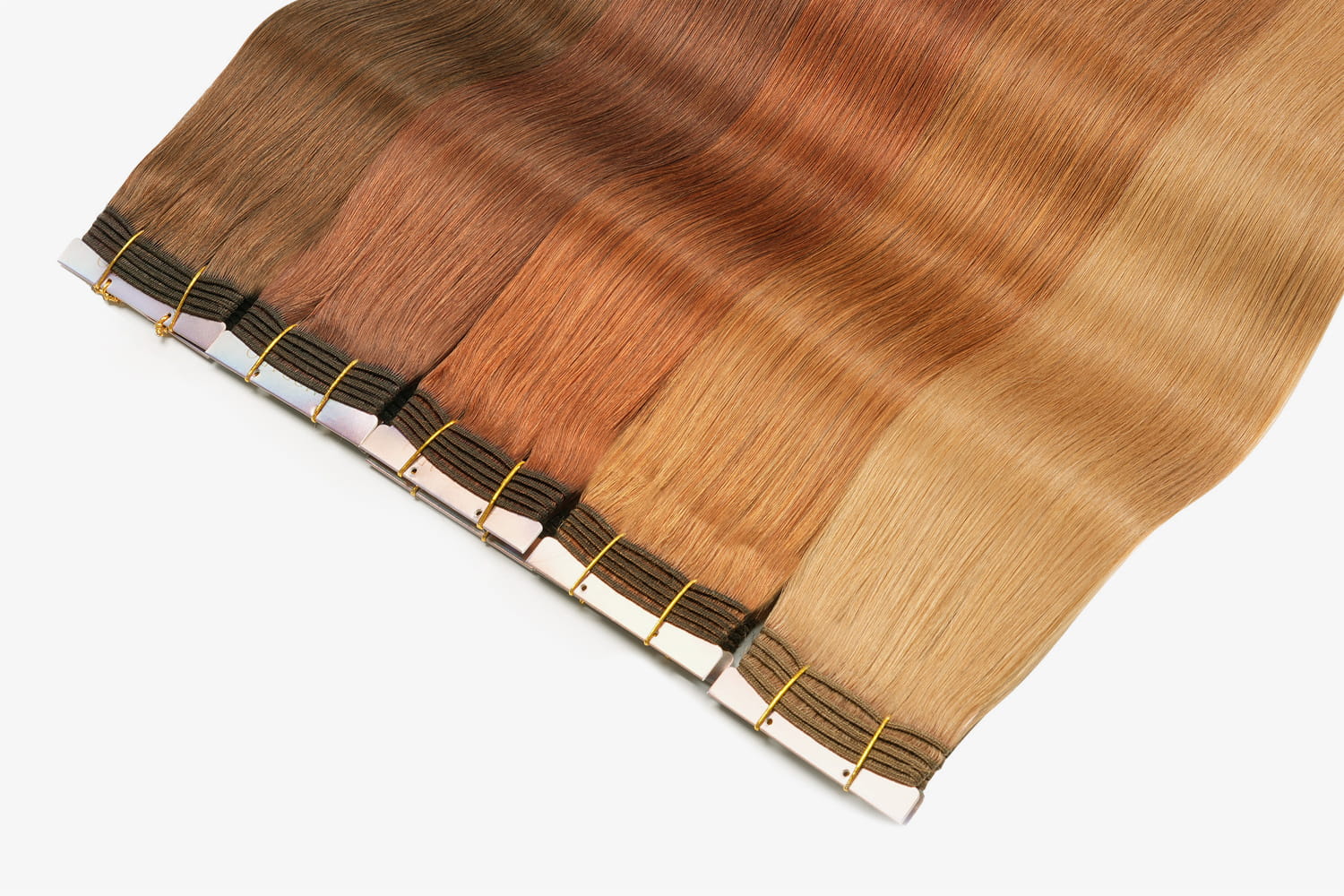
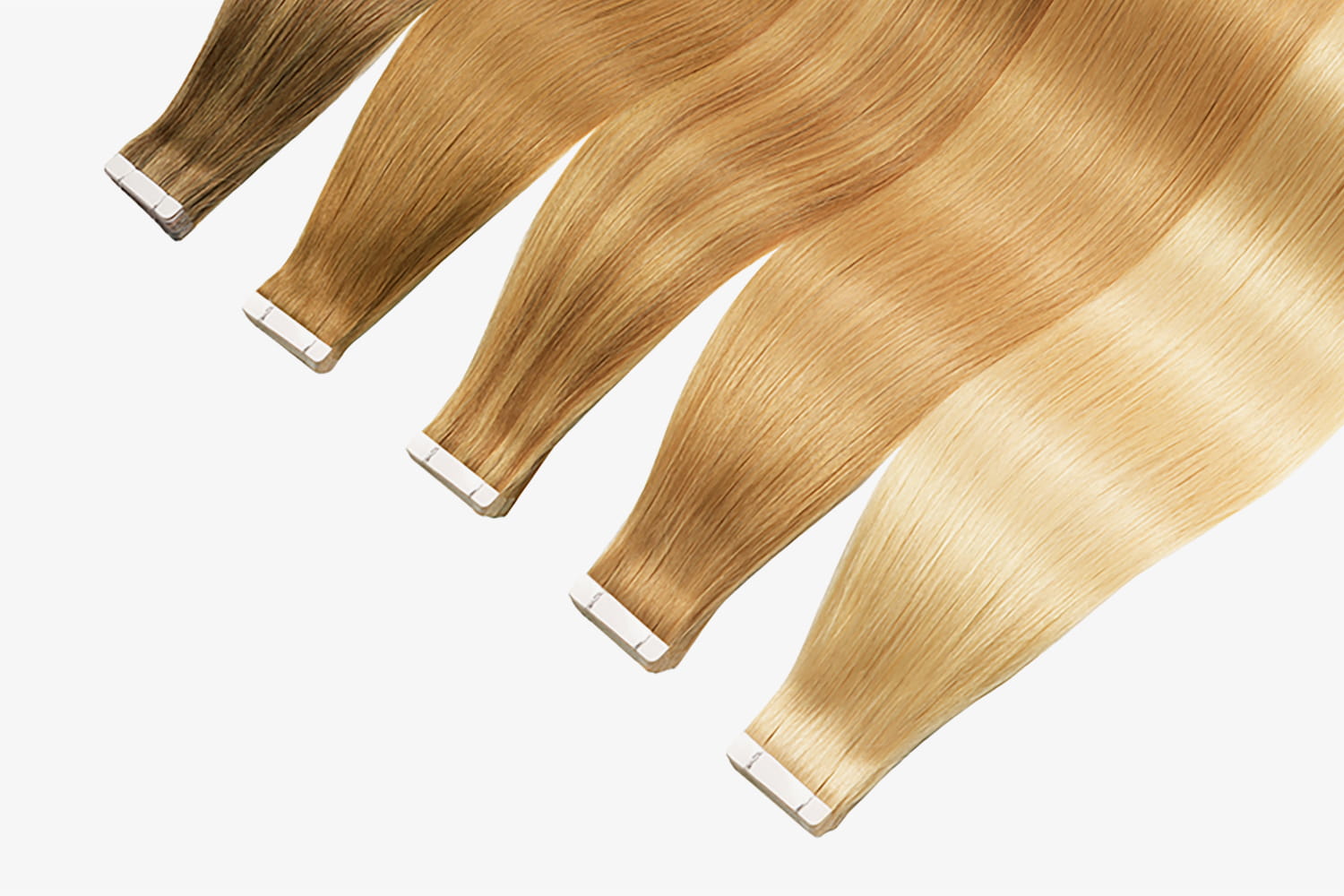
| Tape-ins | Yes | Designed for continuous wear — protect with the routine below |
| Wefts (Aura & Diamond installs) | Yes | Semi-permanent; braid to protect rows and nape |
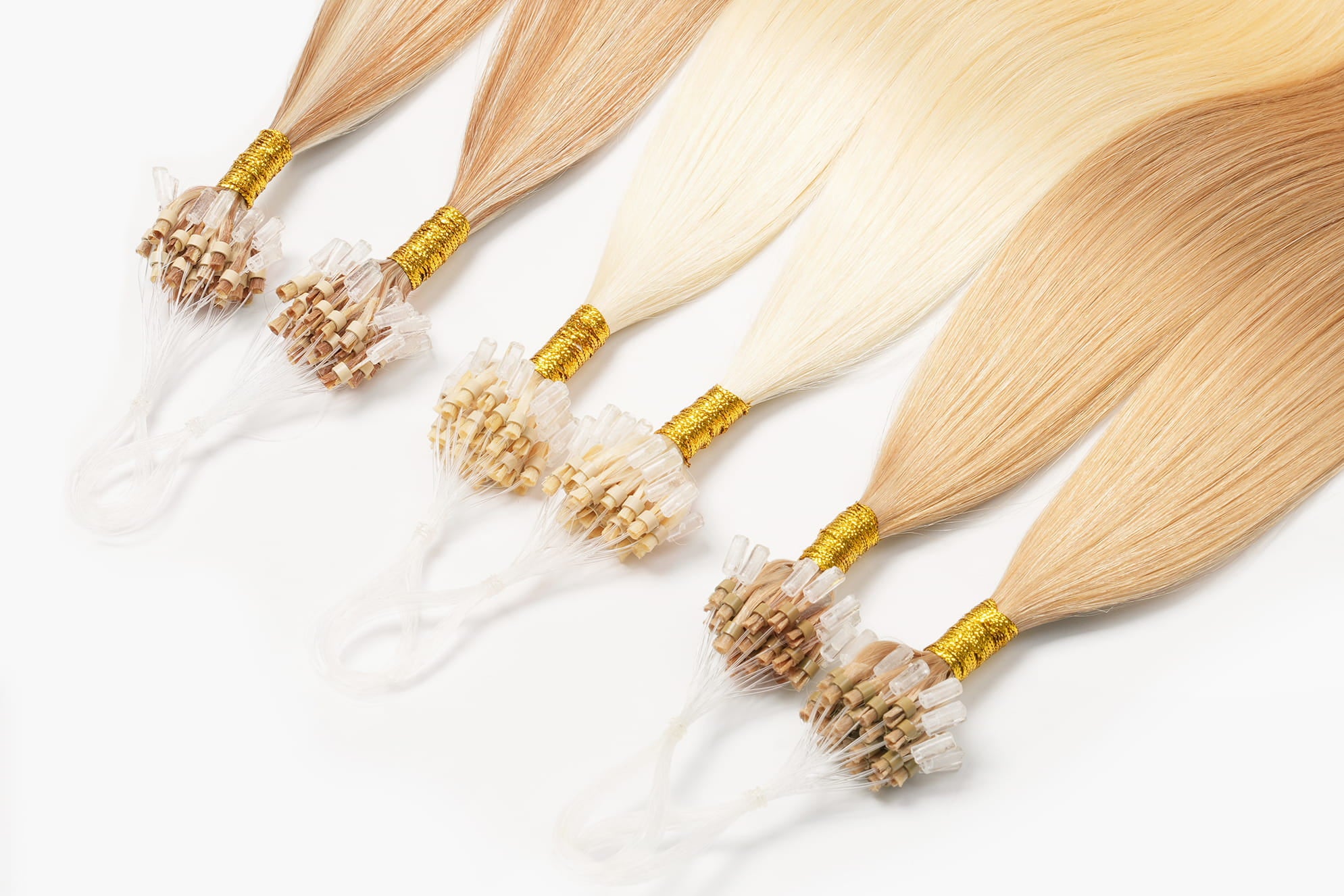
| Micro loops | Yes | Beads are secure; contained hair keeps them that way |
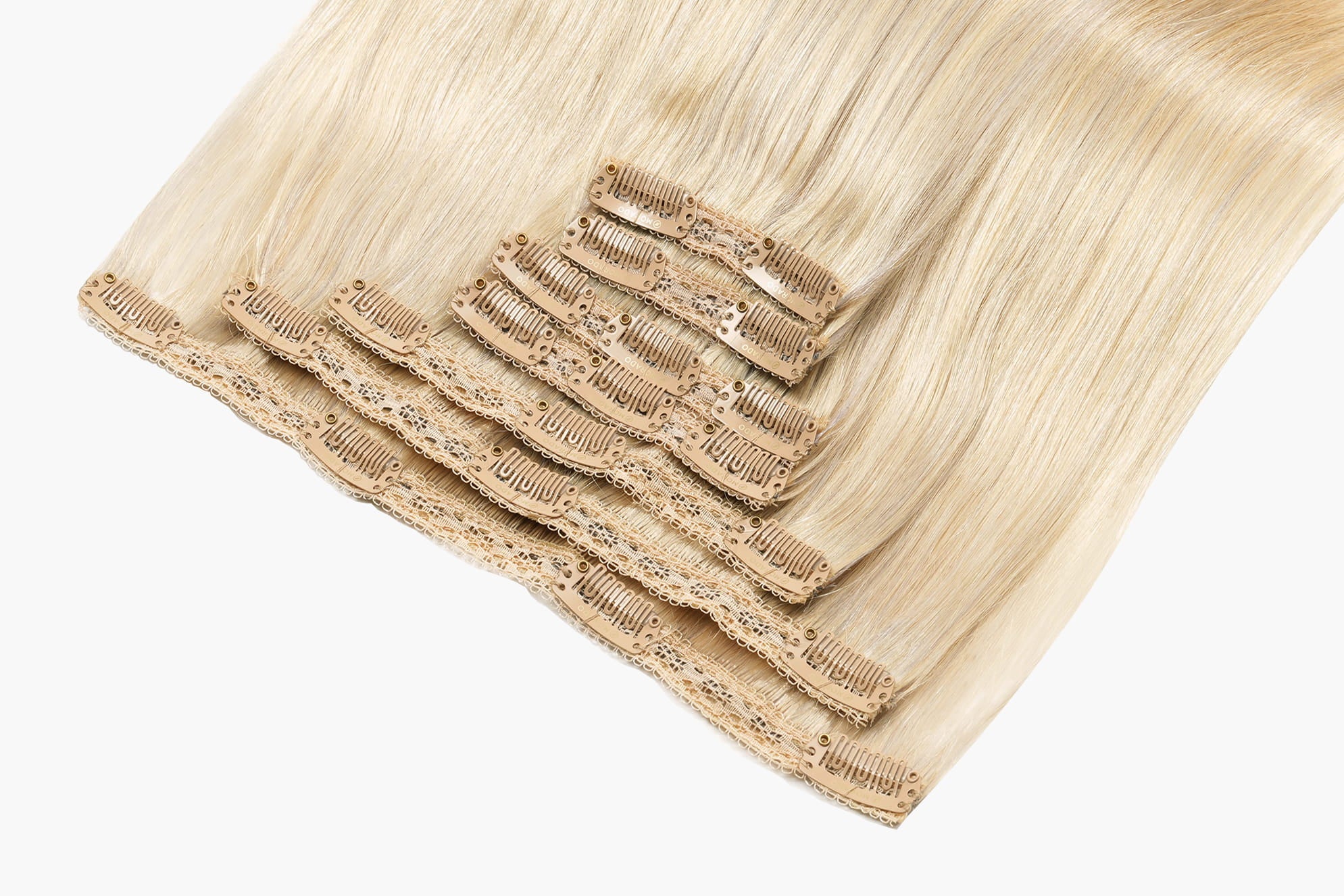
| Clip-ins & fill-ins | Never | Clips press into the scalp and tug roots all night; wefts mat |
| Toppers | Never | Friction grinds the base; clips stress the very hair you’re protecting |
| Ruby synthetic pieces | Never | Overnight friction roughens fiber the piece can’t recover from |
If the “never” rows sting — you’re exhausted, it’s late, the topper is right there — remember the trade: ten seconds of removal buys months of extra lifespan, and your scalp gets the night off too. No removable piece survives habitual overnight wear looking like itself.
The Five-Minute Routine for Installed Extensions
Minute one: confirm it’s dry.
Completely dry — roots, attachment areas, lengths. Damp hair against a pillow is the single fastest route to matting, weakened tape bonds, and morning regret. If you shower at night, budget real drying time or shift washing to mornings; there is no version of this routine that survives a damp shortcut.
Minutes two and three: brush, supported.
The full ends-first, work-upward pass from your daytime routine, with one hand supporting the hair above the brush so attachments take no tension. You’re clearing the day’s micro-tangles so they can’t compound overnight — the nape deserves double attention, since it’s where night friction concentrates.
Minute four: contain it.
A loose braid is the gold standard: it keeps strands from wandering, prevents the hair from wrapping and twisting as you turn, and leaves a soft wave as a morning bonus. A low, loose ponytail or two braids work too — the only rule is loose. Tight styles held eight hours put tension on attachments exactly where you don’t want it. Long hair forward over one shoulder, and you’re contained.
Minute five: land on the right surface.
A silk or satin pillowcase is the cheapest meaningful upgrade in extension care — cotton grabs and drags at the cuticle all night; silk lets hair glide. A silk bonnet or wrap does the same job more thoroughly for anyone who tosses. This is also the minute for a light pass of leave-in on the ends a few nights a week: overnight is when conditioning actually gets to work uninterrupted.
The Removal Ritual for Clip-Ins & Toppers
For removable pieces, the nighttime routine is a graceful exit: unclip gently (open every clip fully before lifting — dragging a half-open clip out is how natural hairs get pulled), give the piece a quick brush while it’s in your hand, close the clips, and put it to bed properly — wefts smoothed into their silk bag or box, toppers onto their stand so the base holds shape. Thirty seconds, and tomorrow’s wear starts pristine. Your own hair then gets what scalps quietly love: a night uncovered, unclipped, and free.
Morning: The Payoff Check
A well-run night shows up at 7 a.m.: unbraid, shake out, a light brush from the ends, and you’re nearly styled — the braid wave doing half the work a curling wand would have. Mornings after a skipped routine show up too: nape knots, flattened rows, a topper that needs reshaping. Let the contrast train the habit. Most wearers find that after two weeks, the five minutes stops feeling like maintenance and starts feeling like the day’s most reliable ritual — the point at which extension care quietly becomes self-care.
Nighttime is where lifespans are decided. Dry, brushed, braided, on silk — or off, brushed, and safely stowed. Five minutes, every night, and your Morado hair spends its sleeping hours the way you do: resting, not aging.
Frequently Asked Questions
Q. What happens if I sleep in my clip-ins once?
One accidental night usually costs a rough morning detangle and some root tenderness, not a ruined set — work any knots out gently with conditioner and forgive yourself. The damage is in the habit: routine overnight wear mats wefts, fatigues clips, and stresses your natural roots nightly. Once is an oops; nightly is a lifespan decision.
Q. Do I really need a silk pillowcase?
“Need” is strong; “should” is fair. Cotton’s dry, grabby weave works against extension hair for eight hours a night, and silk or satin removes most of that friction for the price of a styling product. Among all care upgrades, it has the best effort-to-payoff ratio: zero effort, nightly payoff.
Q. How should I sleep the first nights after a new install?
Same routine, plus patience: your scalp will notice new tape, beads, or rows for several nights — mild awareness is normal, sharp pain is not (that’s a too-tight attachment worth a call to your stylist). Sleep with the loose braid from night one, skip washing for the first 48 hours after tape-ins, and the piece and your scalp will negotiate a truce within a week.
Q. Can I wrap wet hair in a towel and sleep on it?
Please don’t — that combines the two biggest night risks, moisture and compression, in one move. If evening washes are your reality, blow-dry at least the roots and attachment zones fully, get the lengths to genuinely dry (not “dry-ish”), and then braid. The towel-turban night belongs to your pre-extension past.
Q. Is a bonnet better than a braid?
They solve different problems and stack beautifully: the braid controls the hair’s movement; the bonnet controls the surface it meets. Restless sleepers and anyone protecting a blowout do best with both. If you’ll only adopt one, start with the braid — containment beats surface, though silk-anything is a close second.
Read more
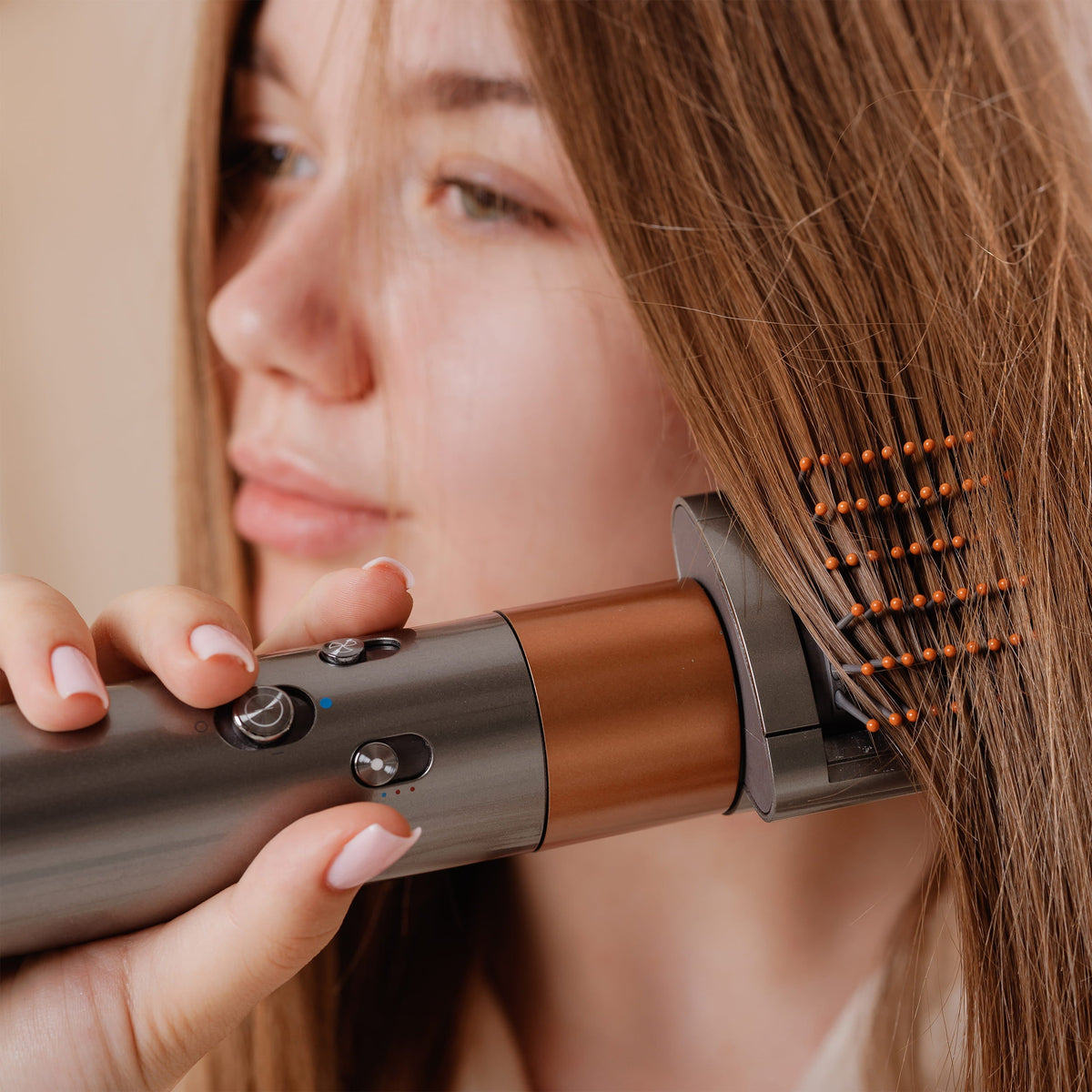
Curl, wave, and straighten your extensions without shortening their life: safe temperatures, tools, technique by extension type, and Ruby synthetic heat rules.
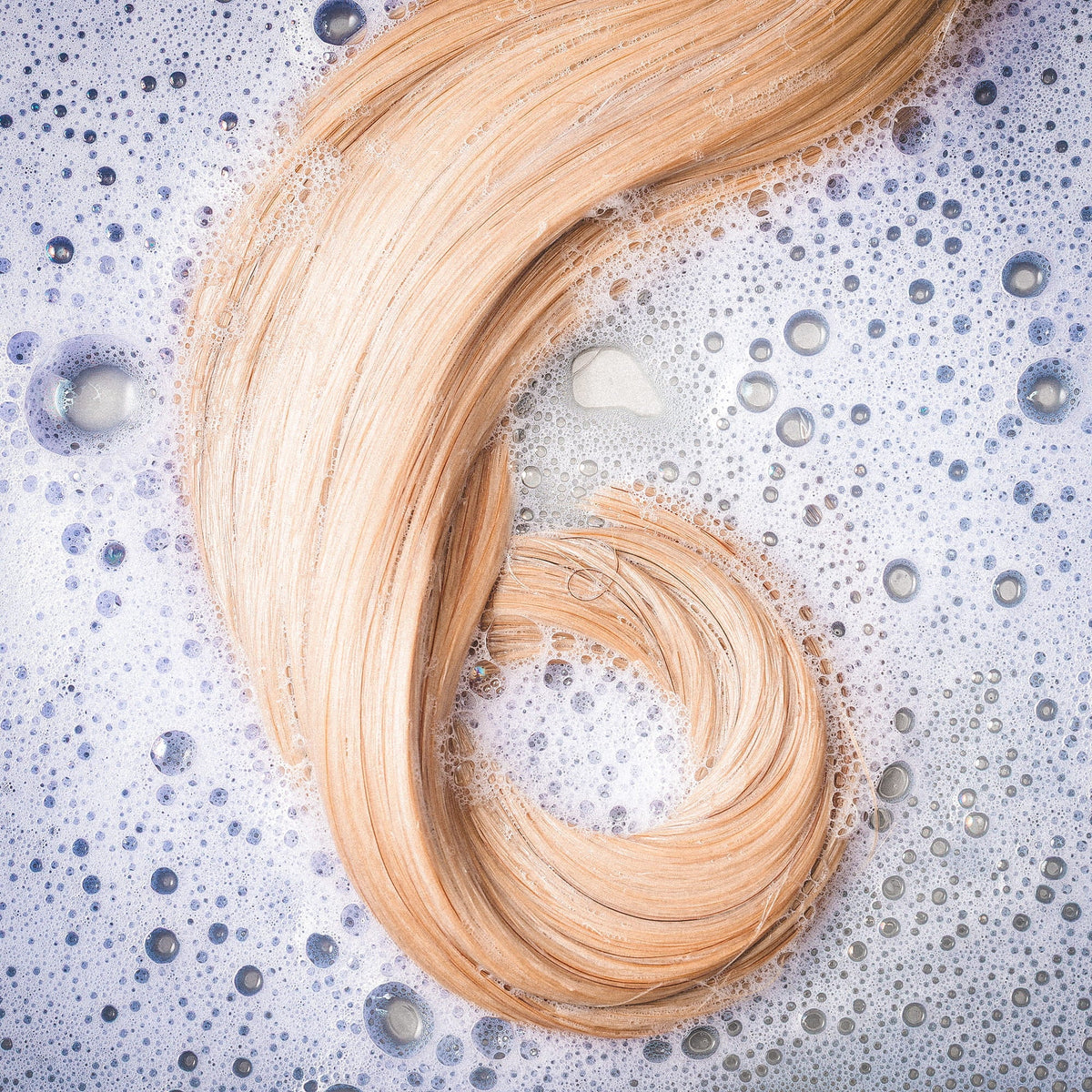
Step-by-step washing for clip-ins, tape-ins, wefts, micro loops, and toppers: how often, which products, and the mistakes that quietly ruin extension hair.