

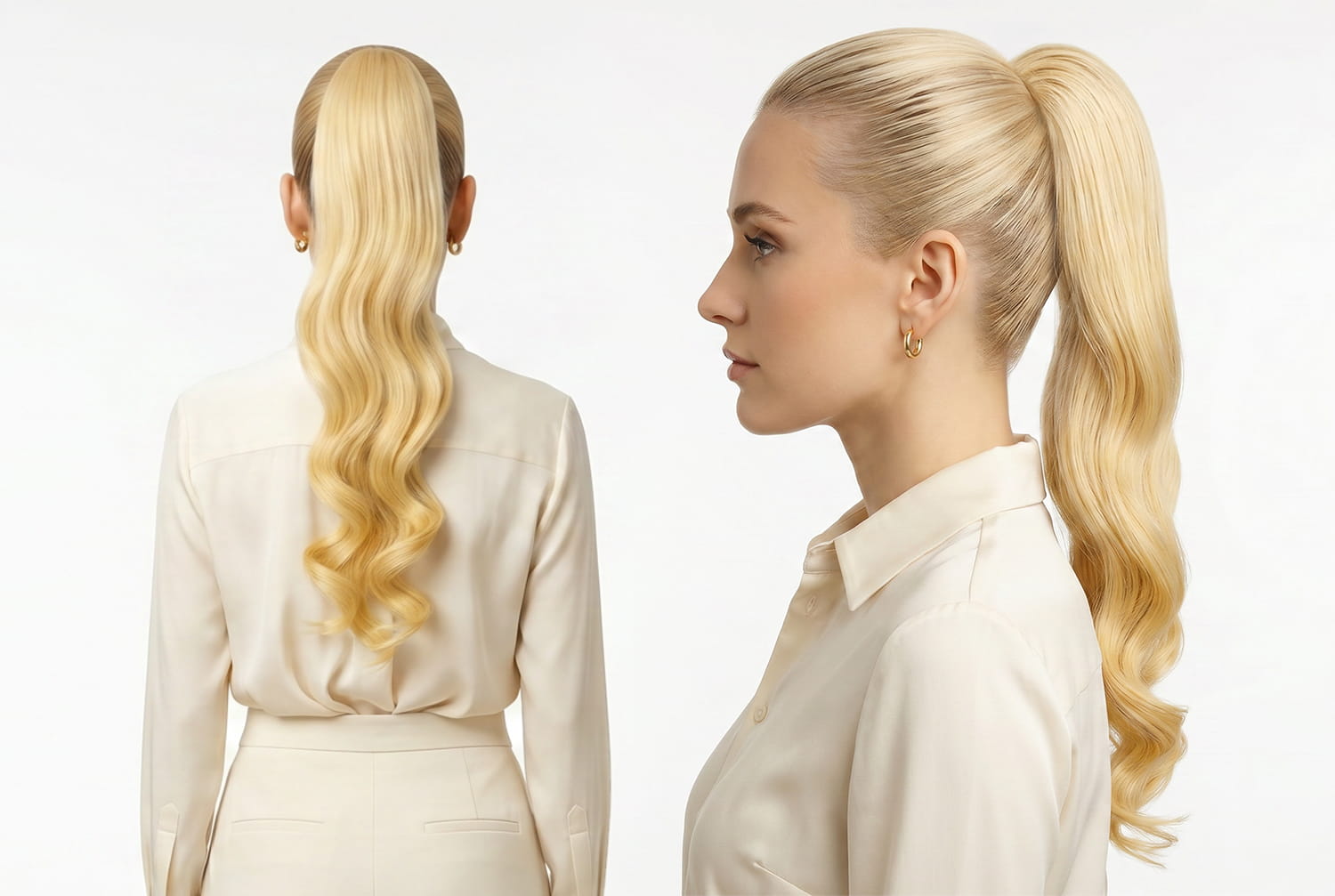
Postpartum Shedding & Hair Loss: Gentle Solutions That Help
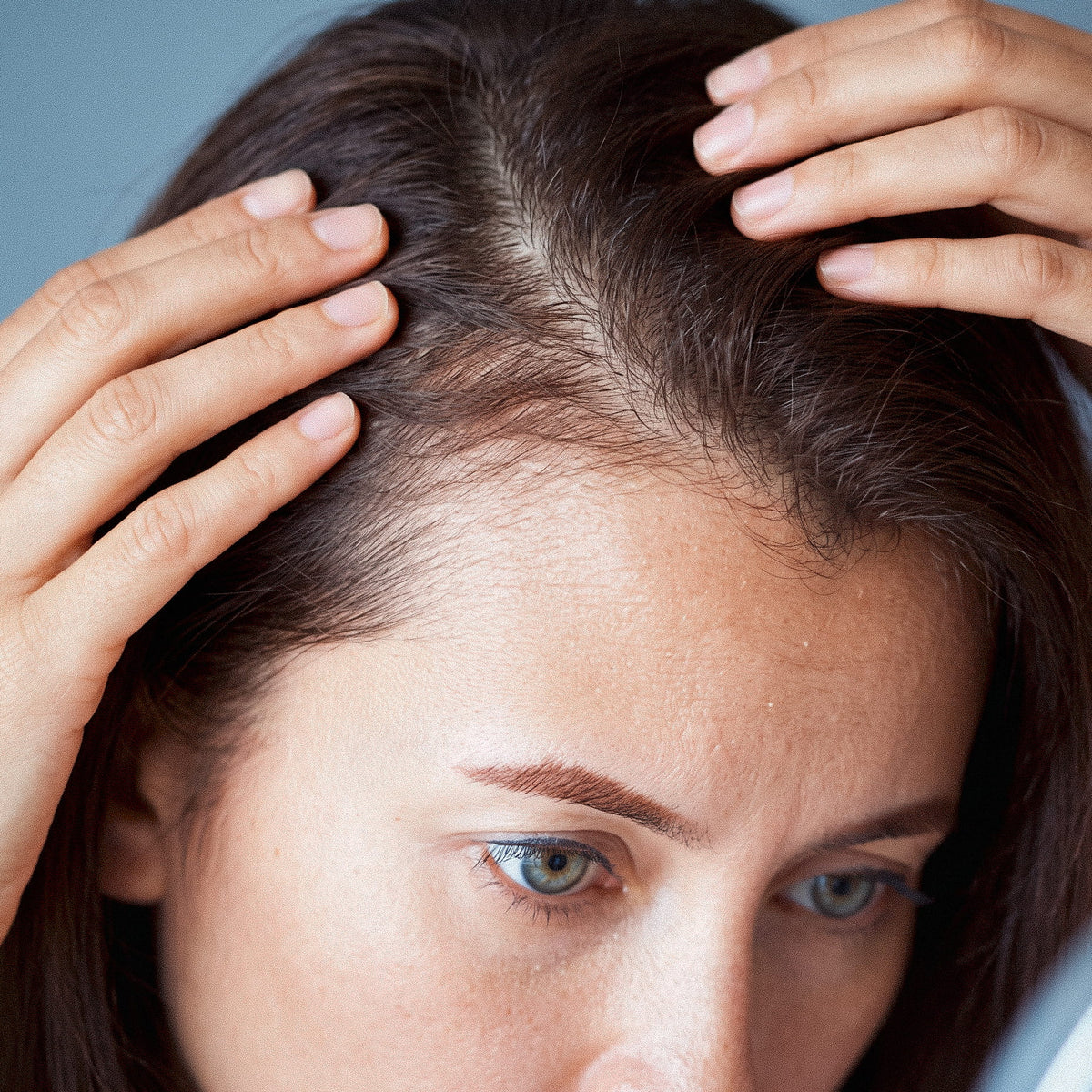
Somewhere around three or four months after your baby arrived—right when you thought you were finding your footing—your hair started coming out in handfuls. The shower drain, the brush, the baby’s tiny fist. If you’ve stood in the bathroom holding a shed clump and feeling a grief that seemed out of proportion, please hear this first: nothing is wrong with you, this is one of the most common experiences of new motherhood, and it is, in the vast majority of cases, temporary.
This guide explains what’s actually happening, what genuinely helps, and—because “it’ll grow back” doesn’t help you feel like yourself at next week’s family photos—the gentle coverage options that carry you beautifully through the in-between.
What’s Actually Happening to Your Hair
During pregnancy, elevated hormones hold your hair in its growth phase longer than usual—which is why many women have the thickest hair of their lives in the third trimester. After delivery, hormone levels shift and all that held-over hair enters its resting-then-shedding phase at once. The clinical name is telogen effluvium; the lived experience is dramatic shedding that typically starts two to four months postpartum, peaks around month four or five, and gradually settles as new growth comes in. Most women see substantial recovery within six to twelve months.
The shedding tends to concentrate where you’ll notice it most: the temples and front hairline—hello, sparse “baby bangs” regrowth—and along the part. Knowing the pattern matters, because it points directly at which solutions fit.
One important caveat before anything cosmetic: if shedding continues heavily past a year, comes in patches, or arrives with fatigue, scalp symptoms, or other changes, check in with your doctor. Thyroid shifts and iron deficiency are common postpartum and very treatable—and worth ruling out.
The Golden Rule: Be Gentle With What’s Growing
Here’s the counterintuitive part of postpartum hair care: this is the season to do less. Your follicles aren’t damaged—they’re cycling—so the job is simply not to interfere.
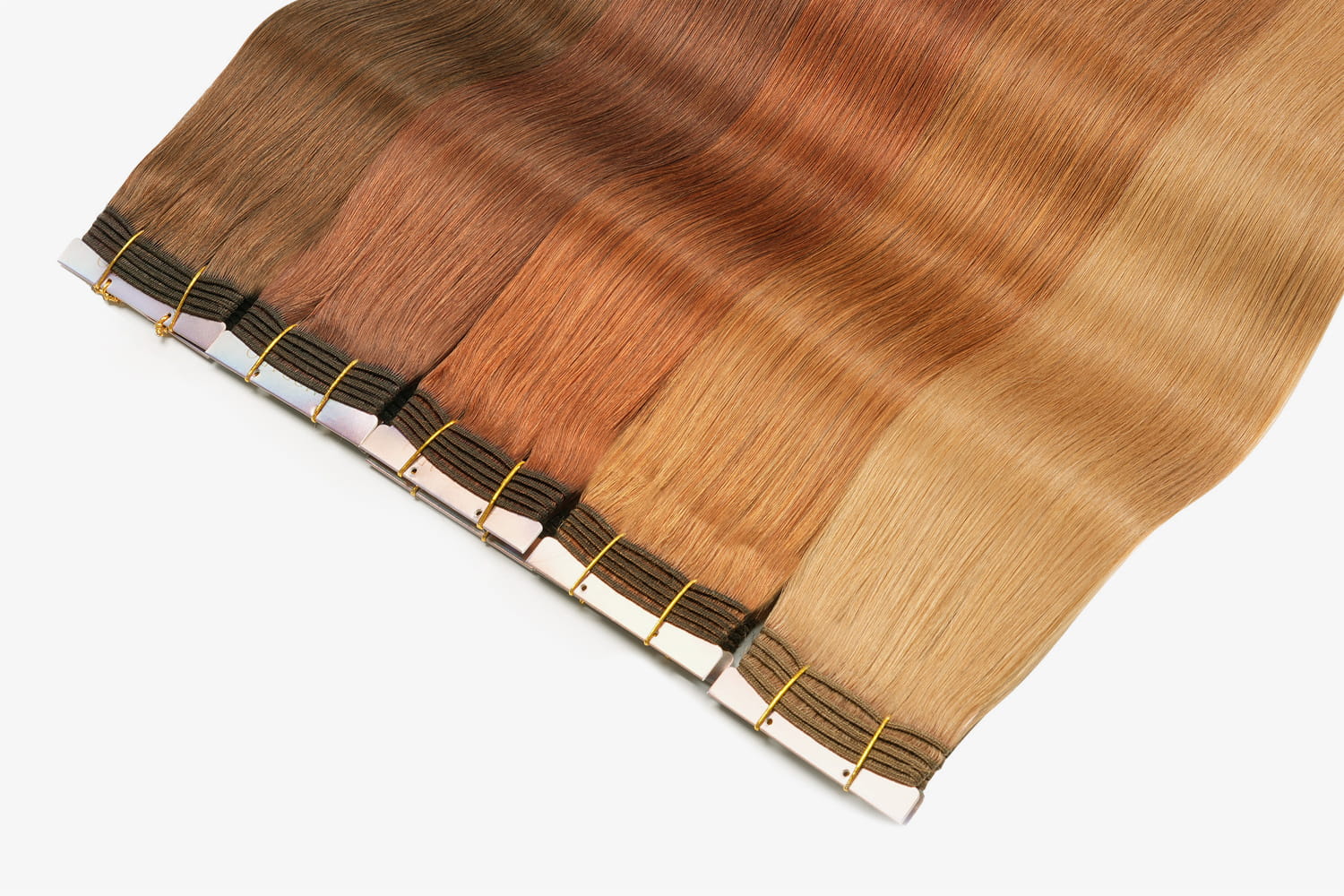
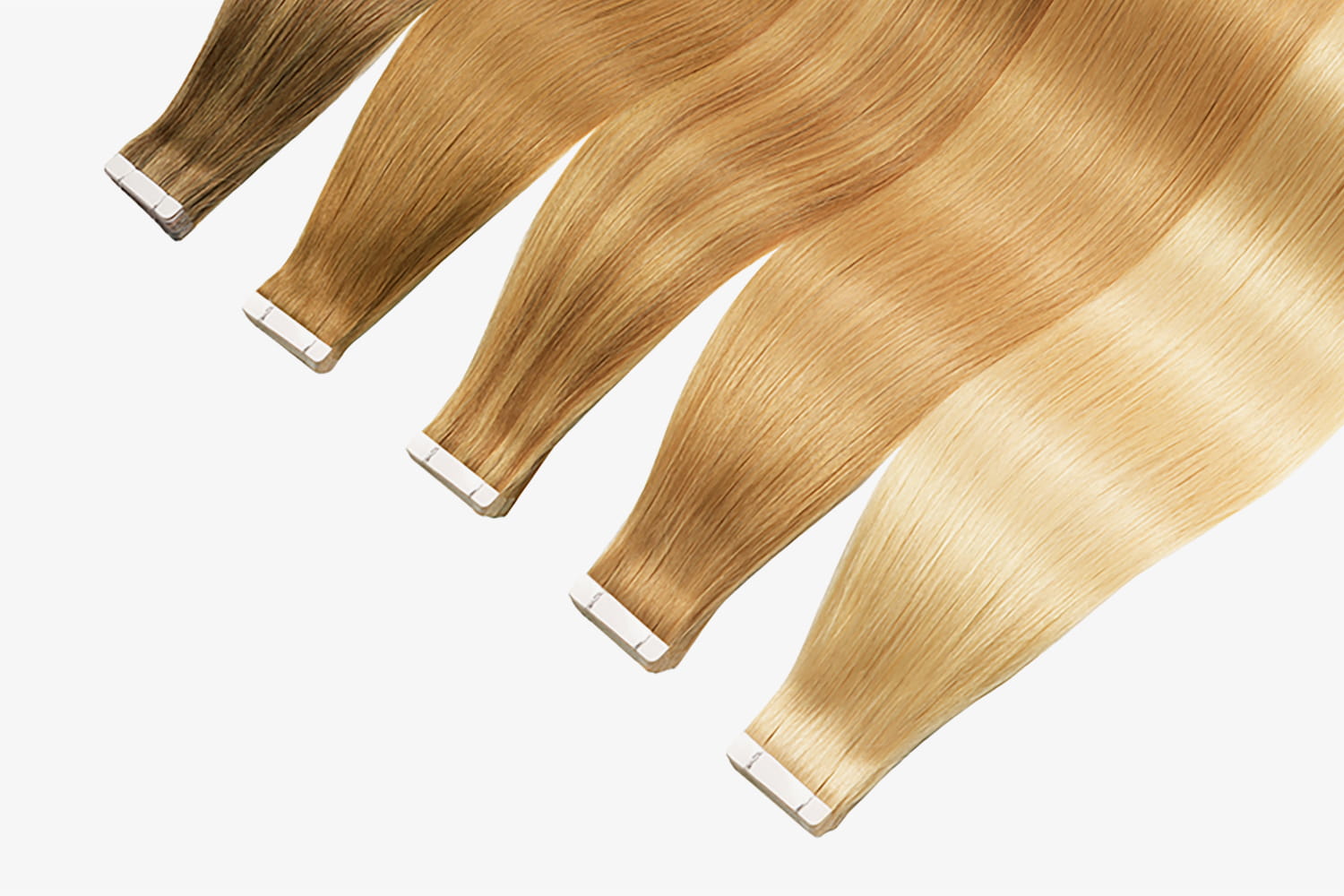
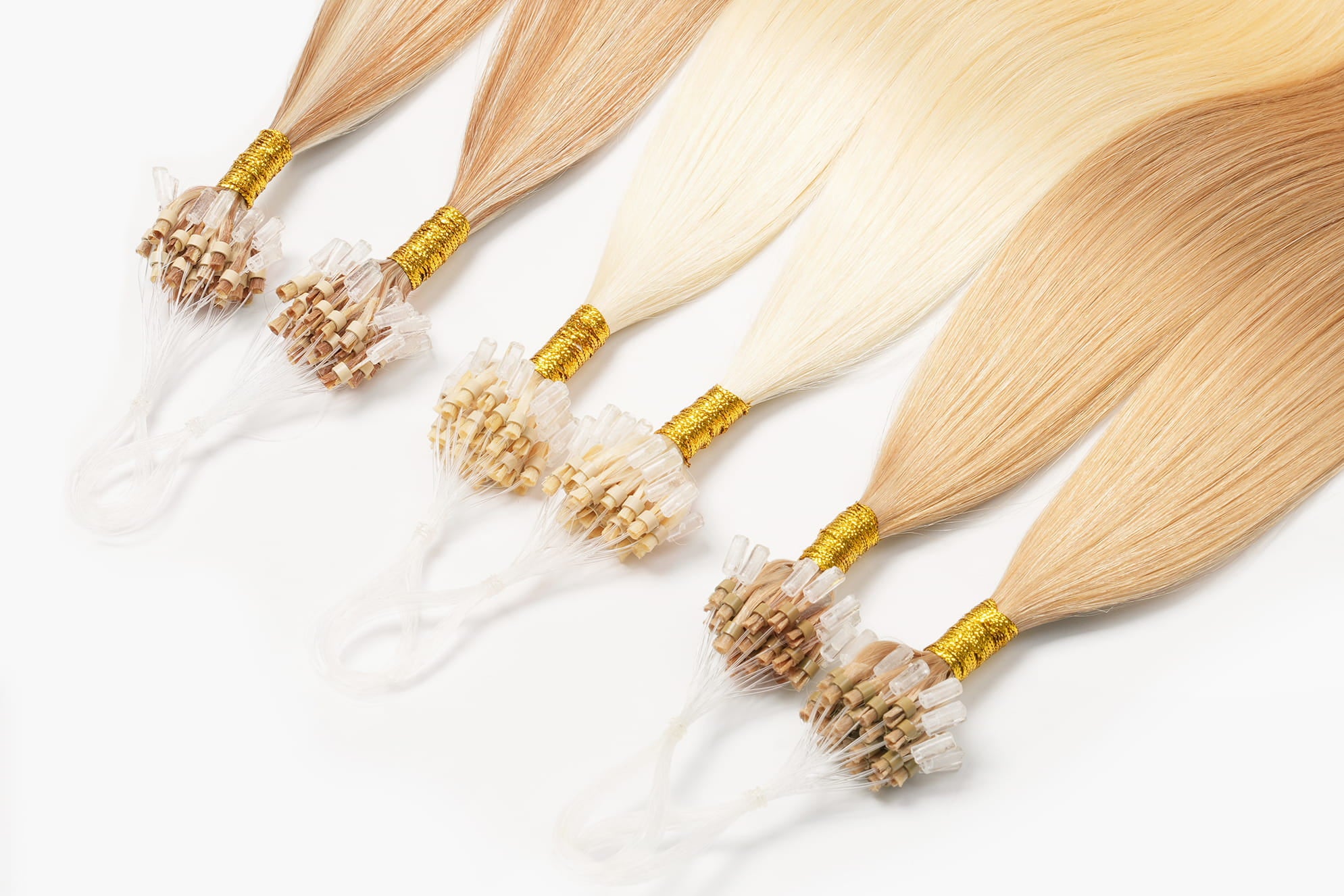
Skip tight ponytails and heavy buns that tug at fragile temples. Wash and detangle gently, ends first. Ease up on high heat. Eat and rest as well as a newborn allows (we know). And critically for our corner of the world: this is not the season for semi-permanent extensions. Tape-ins, wefts, and micro loops all hang weight on hair that’s actively cycling—a burden your strands don’t need right now. Anything you wear should come off at night.
Gentle Coverage, Matched to the Postpartum Pattern
For Temples and Part Edges: Scalp Fill-Ins
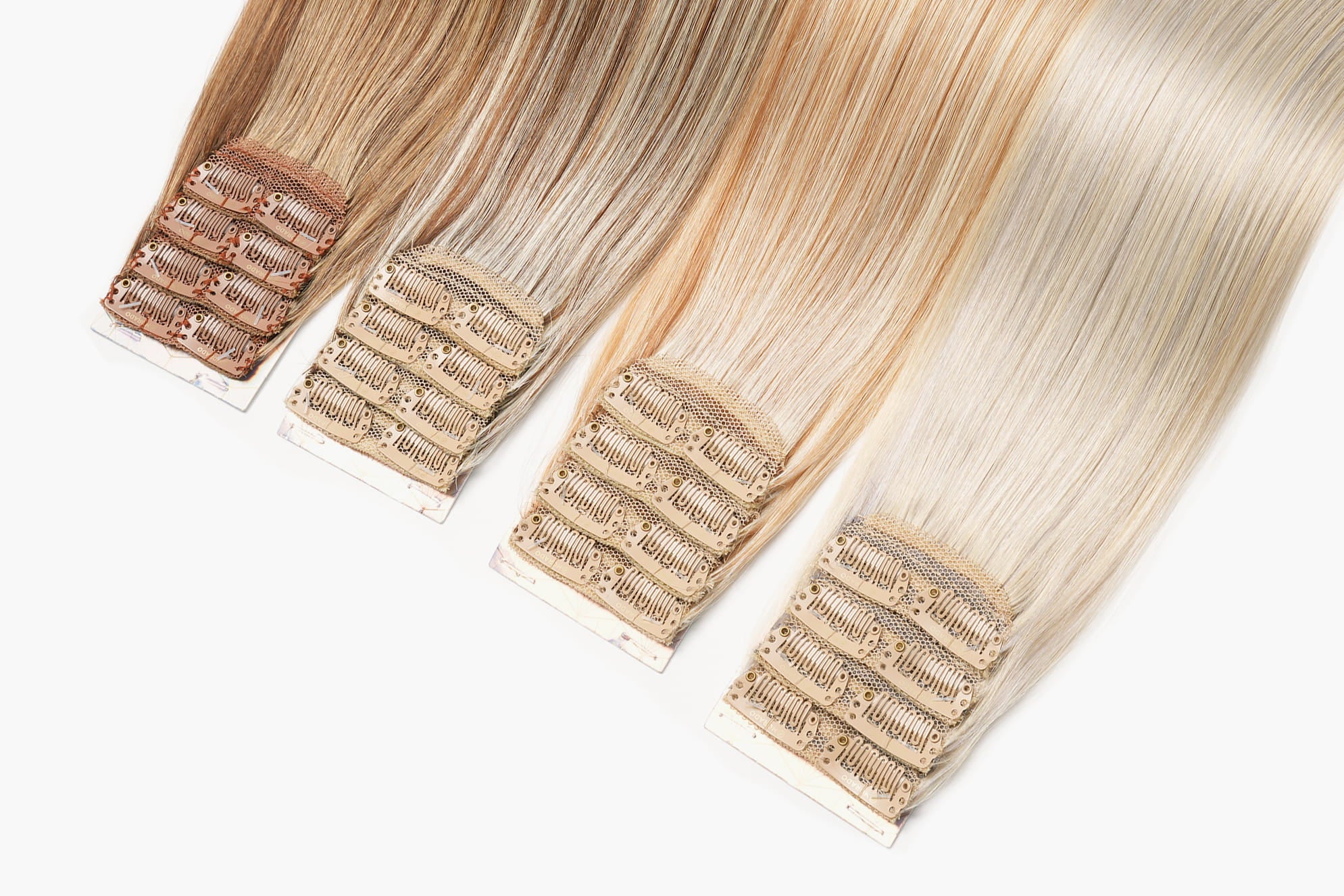
Postpartum thinning at the temples and along the part is exactly what Morado’s scalp fill-ins were made for. The set’s four slim 2.3-inch wefts—each with two damage-free, pressure-sensitive clips—tuck precisely where density dipped, a quarter-inch to an inch and a half from your part line or at the temples, with your own hair laying naturally over them.
At 40–50 grams for the whole set and $31.50, they’re weightless, invisible, sensitive-scalp friendly, and off in seconds when the baby finally naps and so do you.
For a Widening Part or Thinning Crown: A Silk-Base Topper
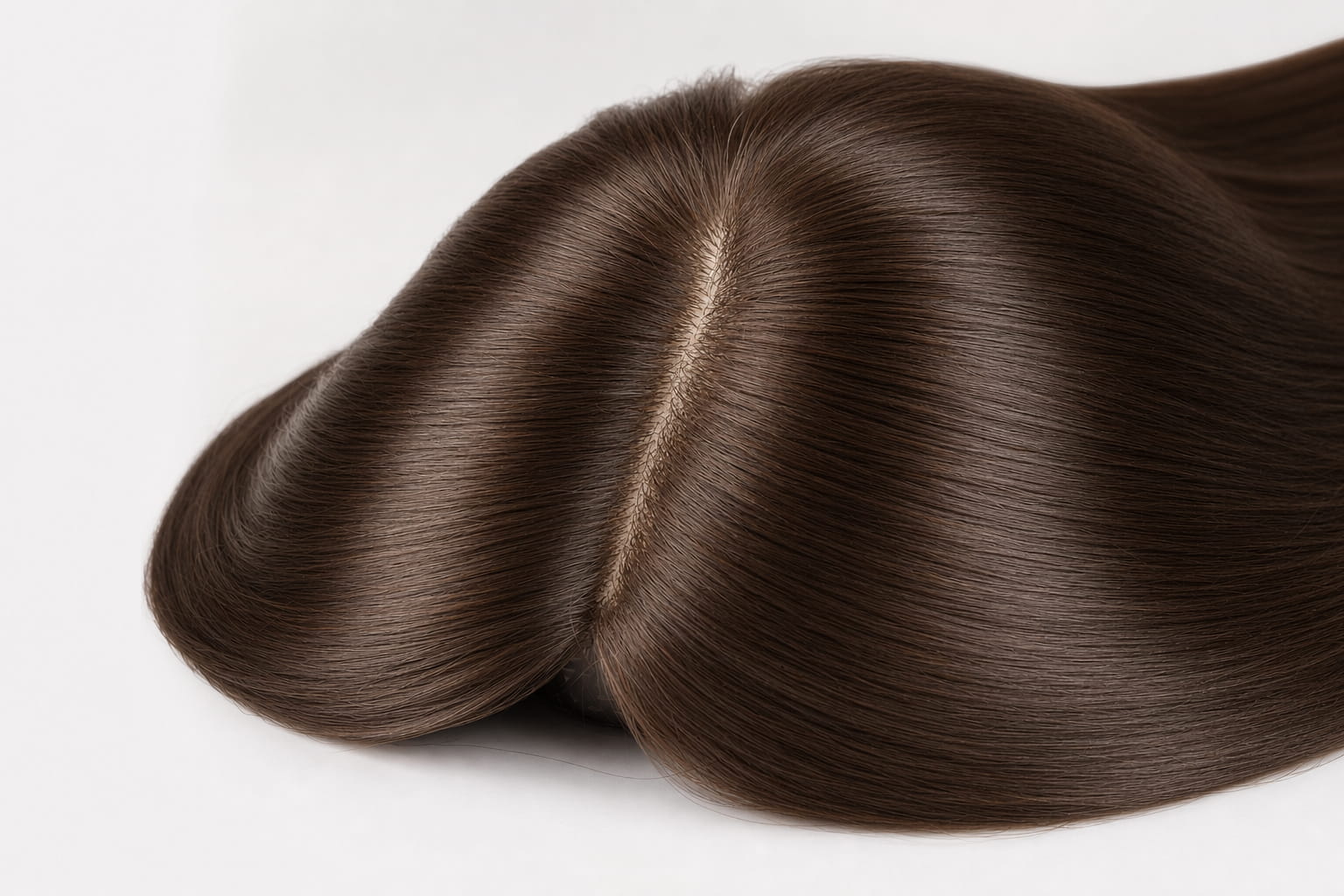
If your part line is the main event, a 3"×5" silk-base topper (from $69.99, 31–35 grams) restores it in one two-minute clip-in, with a hand-tied silk top that looks like scalp at the part.
For broader crown thinning, the 5"×5" size extends the same coverage. Both are 100% Remy human hair, so they style with whatever thirty seconds of styling you have.
For Heavier All-Over Shedding: The Volume Topper or a Ruby Piece
Some women shed harder than average, and there’s no prize for toughing it out. The 8"×8" Aura volume topper (from $85.50) gives full-crown, 360° coverage while anchoring to the stronger hair at your sides.
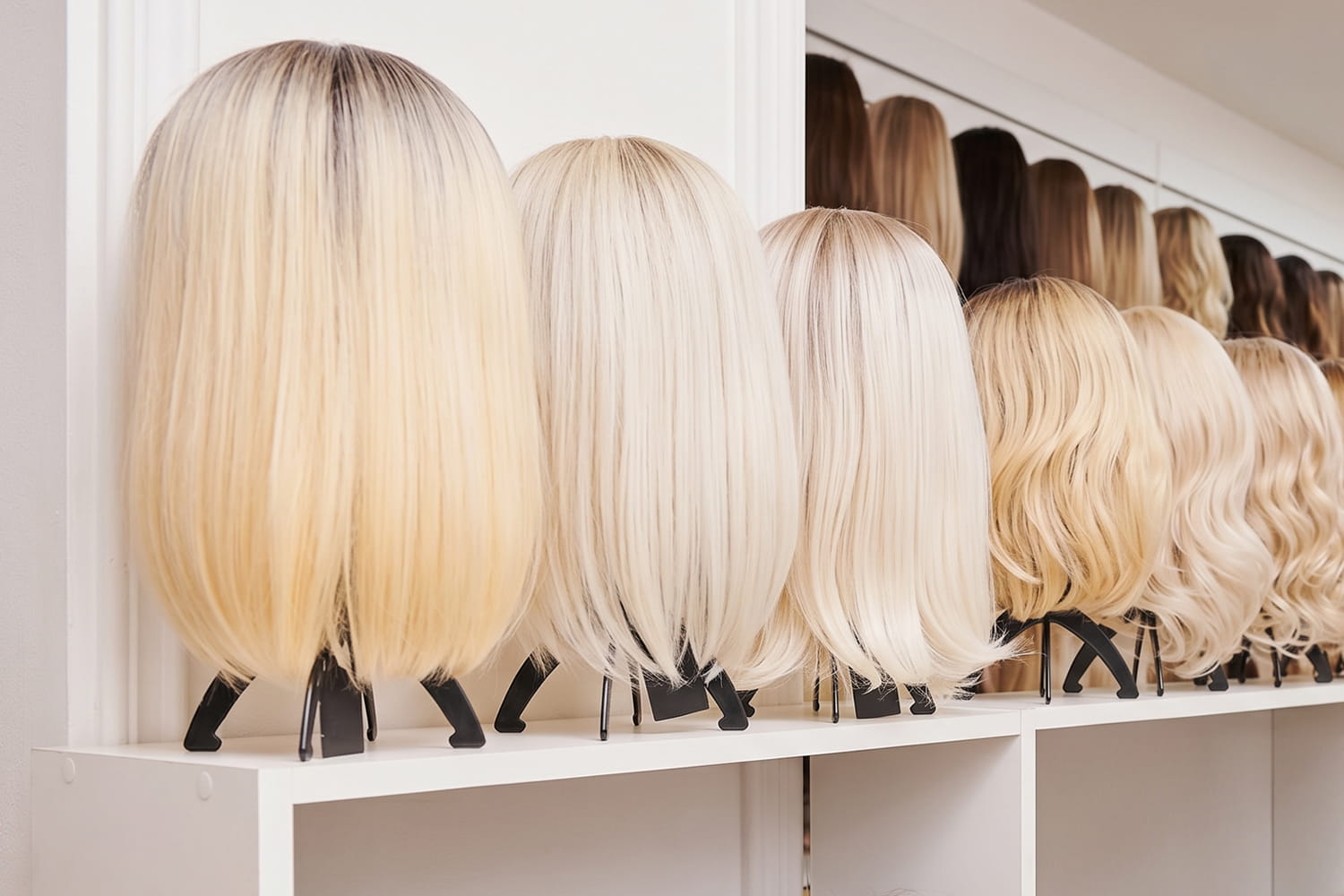
And on the days—or months—when even two minutes of blending is too much, a Ruby premium synthetic piece arrives pre-styled and stays that way: lift, place, done. Ease is not cheating; ease is the assignment right now.
Matching Solution to Situation
| Your Situation | Gentle Match | Why It Fits |
| Sparse temples, regrowth “baby hairs” | Scalp fill-ins ($31.50) | Targeted, weightless, clips nowhere near fragile zones |
| Widening part line | Silk-base topper 3"×5" | Scalp-realistic part, 2-minute mornings |
| Diffuse crown thinning | Silk-base 5"×5" or Aura volume topper | Continuous coverage anchored to strong side hair |
| Exhausted, zero styling time | Ruby synthetic piece | Pre-styled every wear, near-zero upkeep |
| Want length/volume back | Wait, then clip-ins first | Removable weight only until shedding settles |
A Timeline for Adding Hair Back
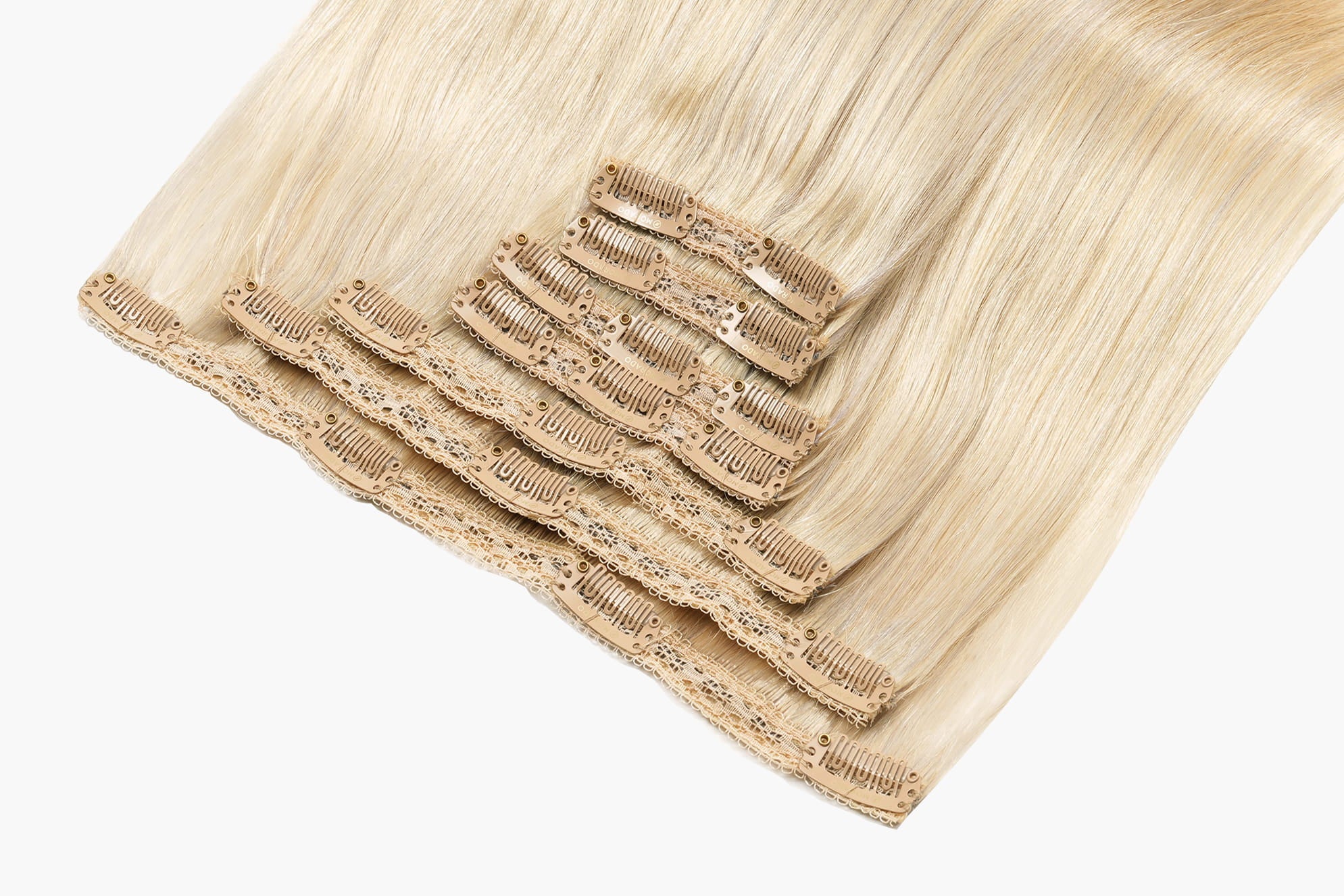
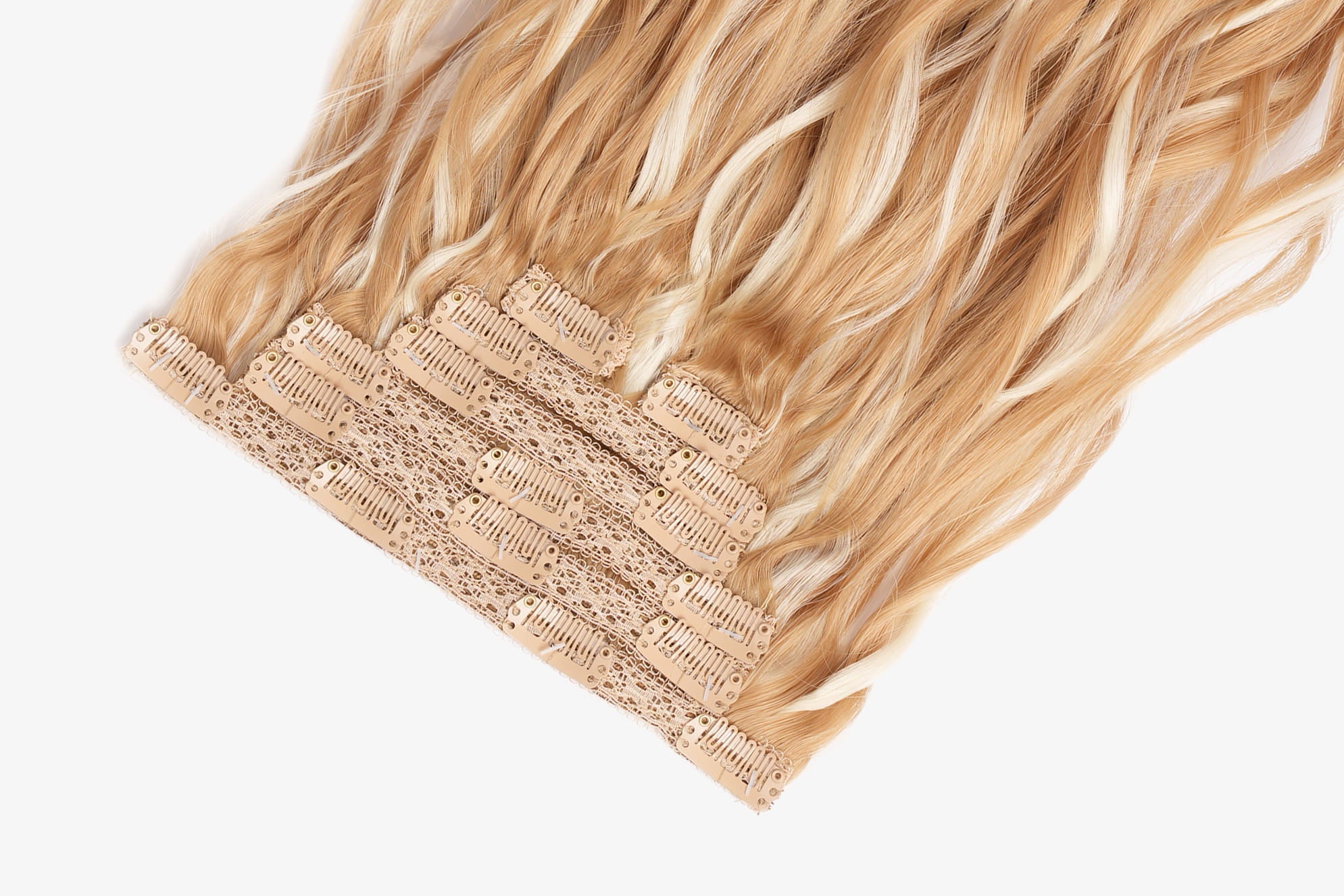
While shedding is active—usually months three through eight—stick to clip-in coverage that comes off nightly. As shedding slows and you see consistent regrowth, a 7-piece clip-in extension set (from $99.99) can bring back length and fullness for outings, still commitment-free.
And once your hair has clearly turned the corner—typically closer to the one-year mark—semi-permanent options like tape-ins become reasonable again, starting light. Your stylist and your shower drain will both tell you when.
You’re Allowed to Care About This
New mothers are handed a script that says hair is trivial now. It isn’t. Feeling like yourself in the hardest, sleepiest season of life is worth thirty dollars and two minutes a morning—and needing that boost takes nothing away from your gratitude for your baby.
Whatever you choose, the Morado Promise stands behind it with 90-day returns and exchanges, and our team (several of us have lived this exact season) is glad to match a photo of your hairline to the gentlest option that helps. This is temporary. You get to look like you while it passes.
Frequently Asked Questions
Q. When does postpartum hair loss stop?
Shedding typically begins two to four months after delivery, peaks around month four or five, and tapers over the following months, with most women seeing meaningful recovery by six to twelve months postpartum. If heavy shedding persists past a year or arrives in patches, see your doctor to rule out treatable causes like thyroid changes or low iron.
Q. Will clip-in pieces make my postpartum shedding worse?
Not when worn correctly. Pressure-sensitive clips anchored to stable hair, removed nightly, add no meaningful stress—that’s exactly why we steer postpartum customers toward fill-ins and toppers instead of semi-permanent extensions, which hang weight on cycling hair around the clock.
Q. Is it safe to wear a topper or fill-ins while breastfeeding?
Yes—these are external, clip-in pieces with no chemicals, adhesives, or treatments involved in daily wear. There’s nothing about nursing that limits them.
Q. How do I cover the short regrowth sprigs at my hairline?
Those “baby bangs” are good news—that’s regrowth. While they grow out, fill-in wefts placed just behind the hairline add density that helps the sprigs blend in, and a light smoothing balm tames them. Resist the urge to gel them flat daily with tight styling; they’re fragile and they’re your future hairline.
Q. Should I cut my hair short to “fix” postpartum shedding?
Only if you want short hair. A cut doesn’t change follicle cycling, though a shorter, layered style can make thinning less visible and regrowth easier to blend. If you love your length, keep it—coverage pieces solve the visibility problem without the scissors.
Read more
What do rooted, highlighted, and multi-tonal extension shades actually mean? Decode the shade names, learn who each blend flatters, and pick with confidence.
Make your hair topper truly invisible: placement, blending tricks, heat styling, washing schedule, and storage — the complete care routine for 4–6 months of beautiful wear.