

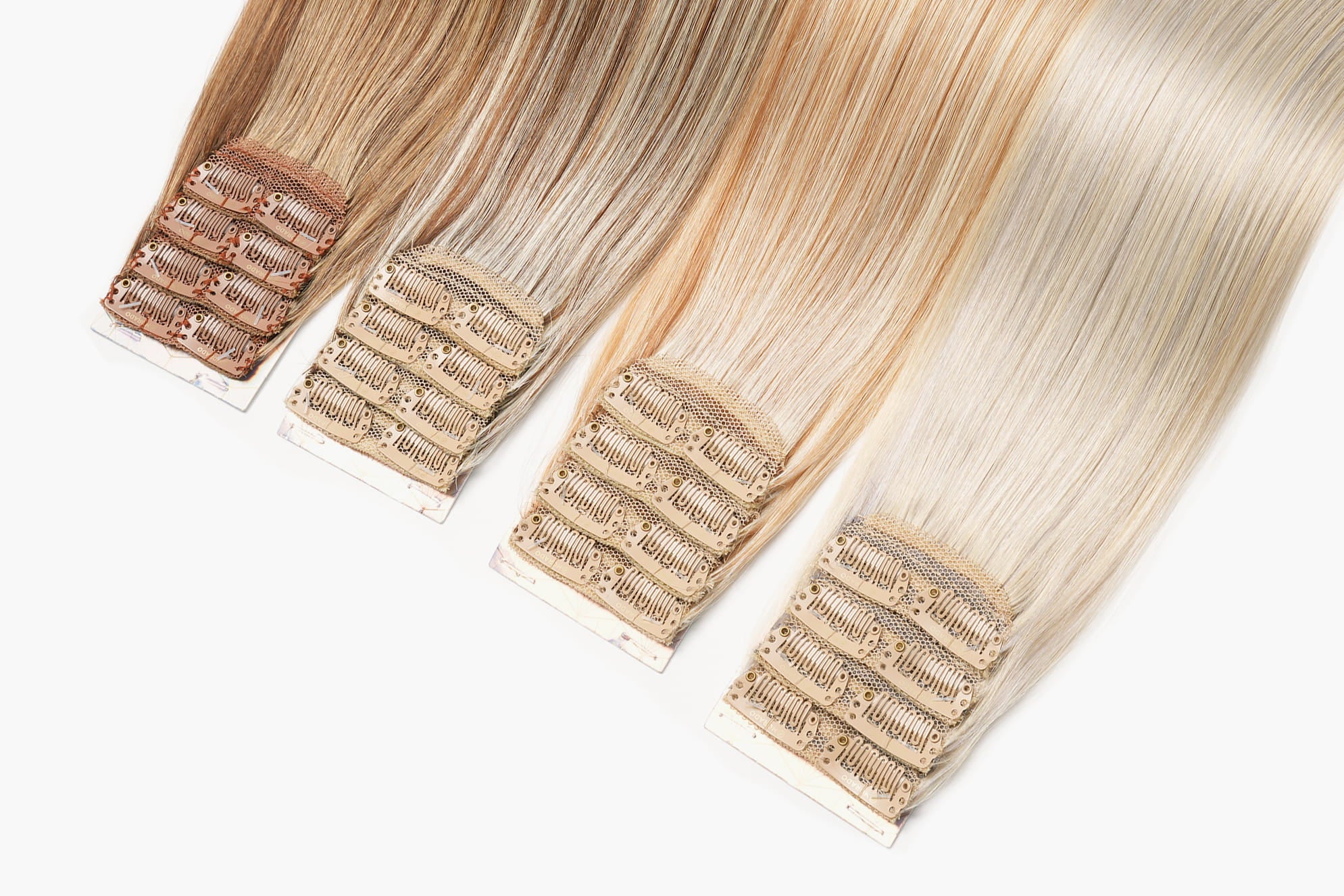
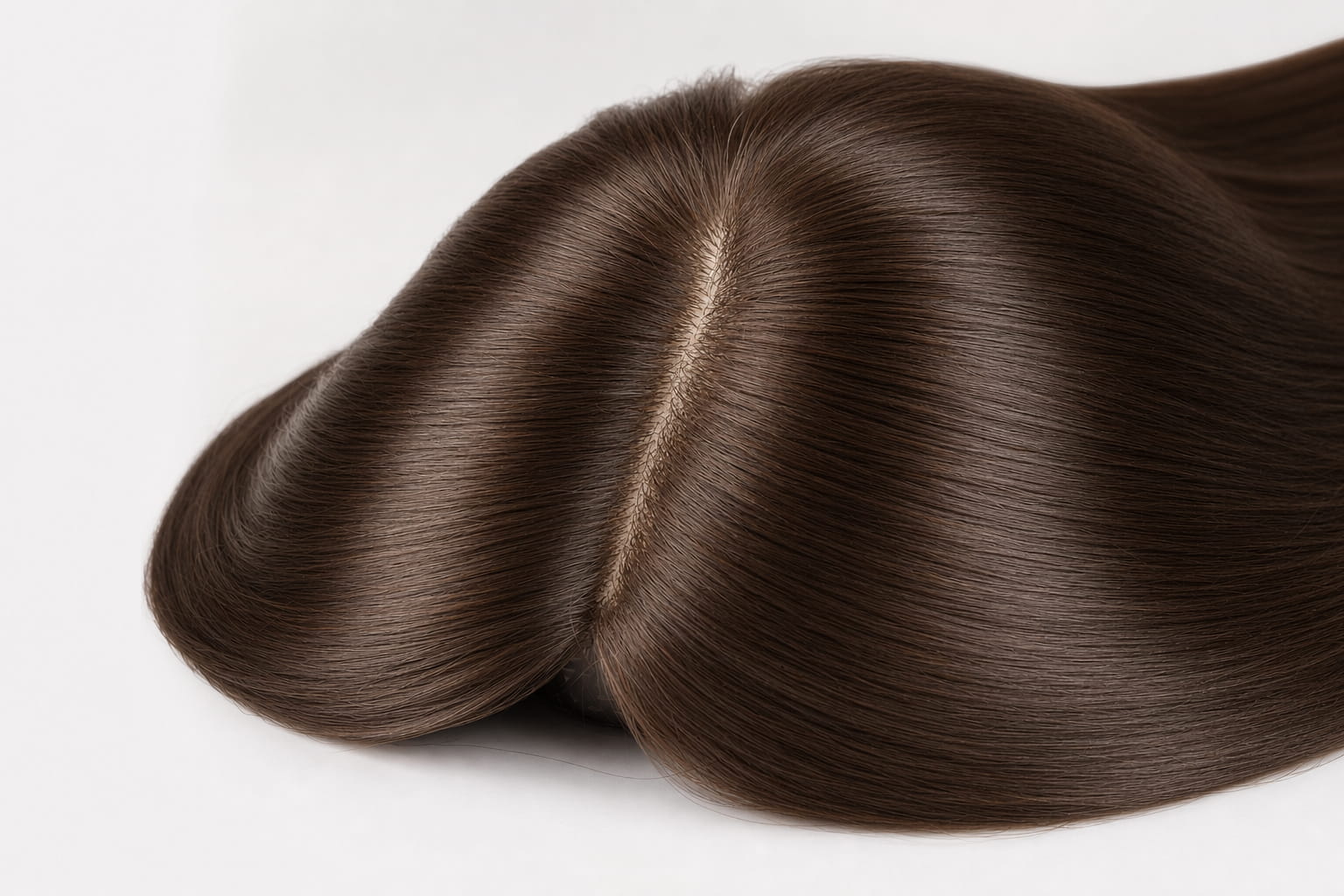
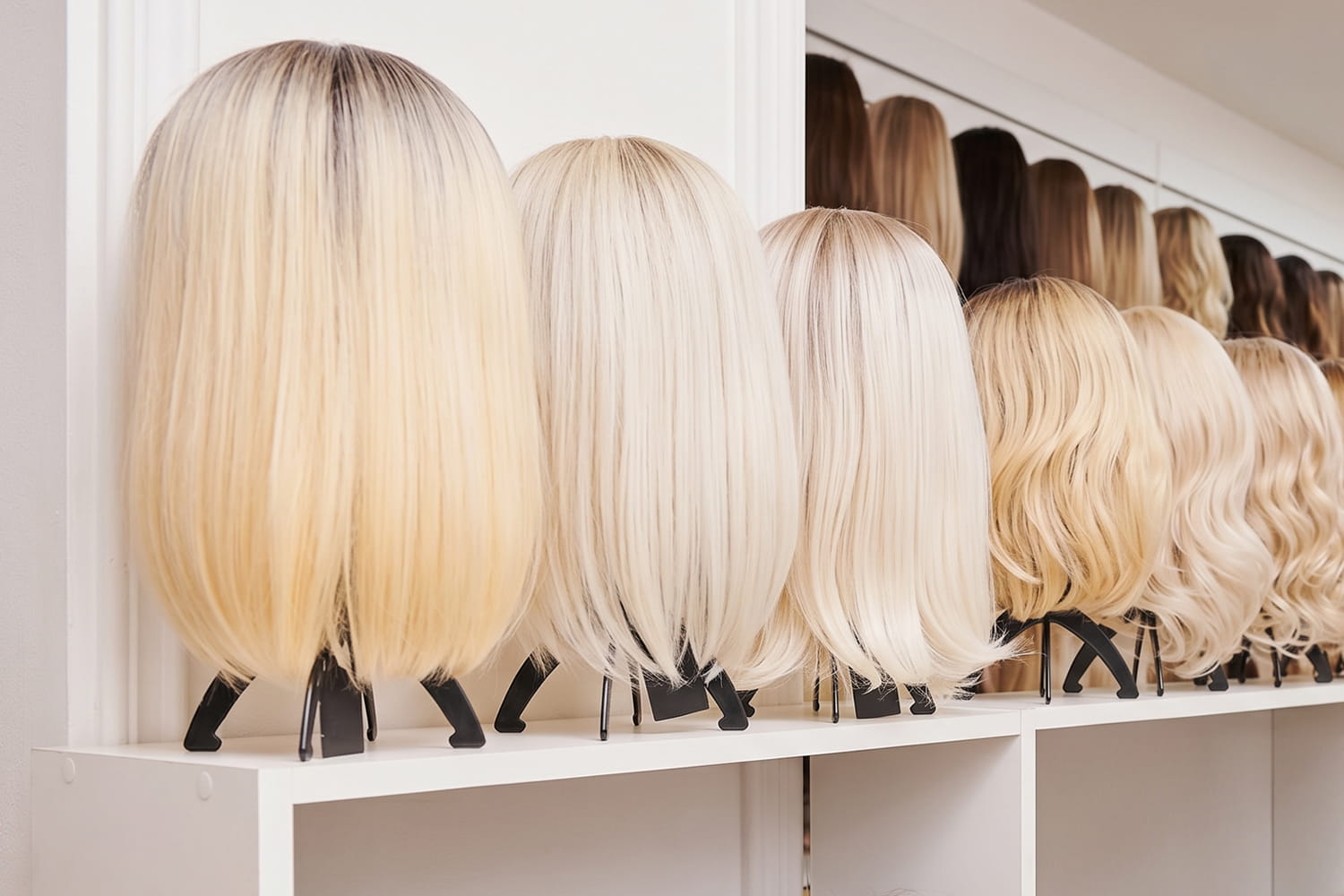
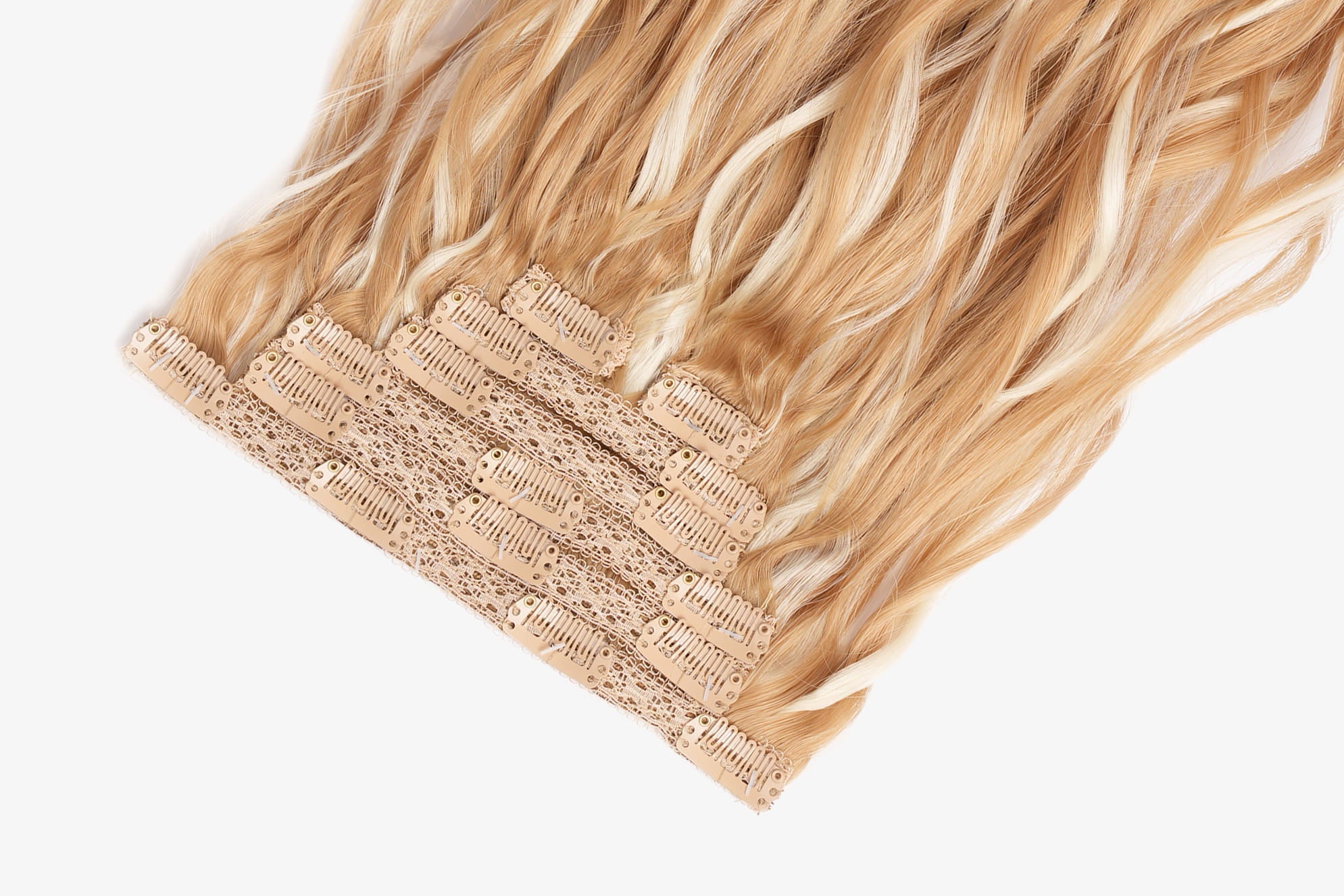
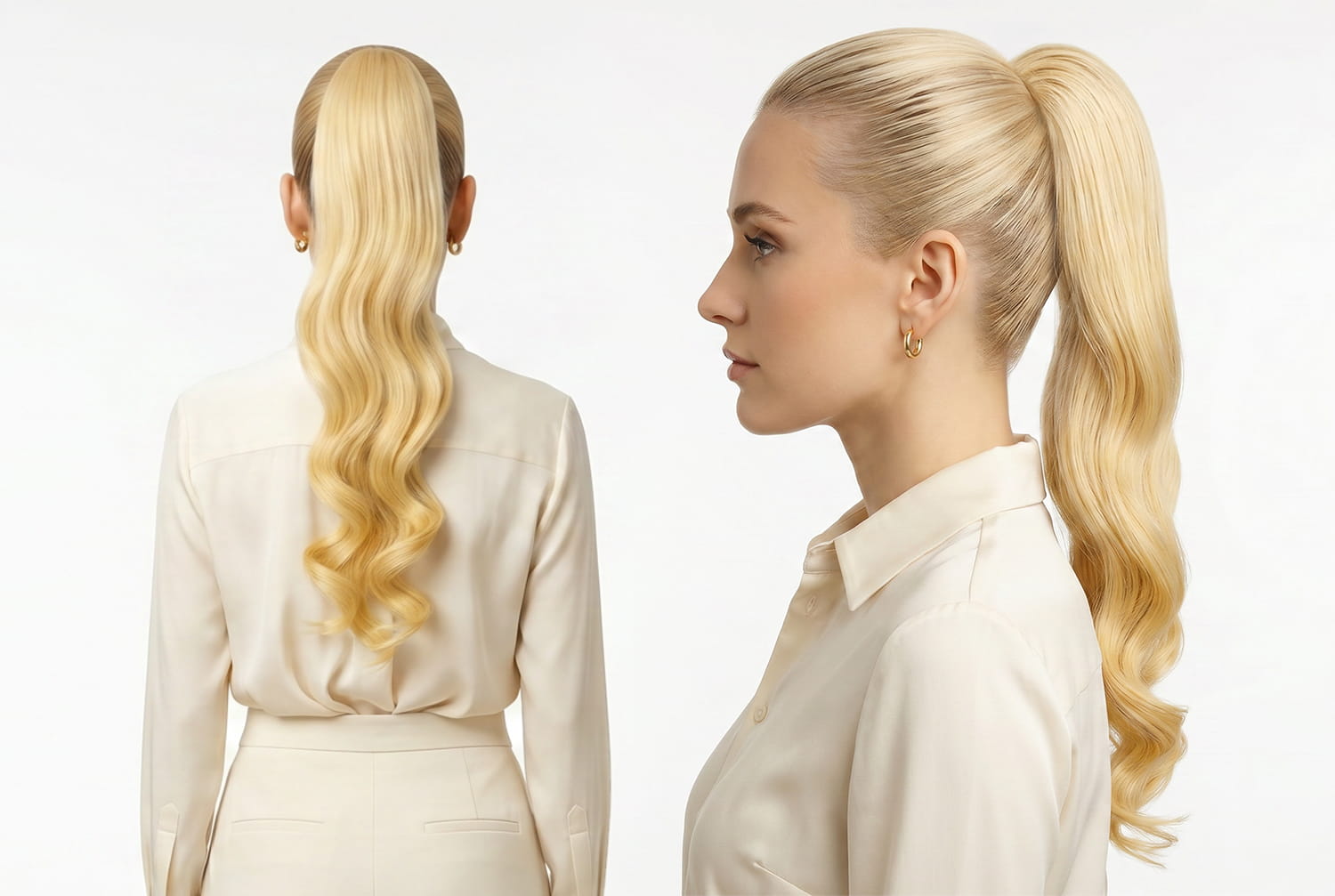
Can I Dye or Tone My Extensions? The Honest Answer
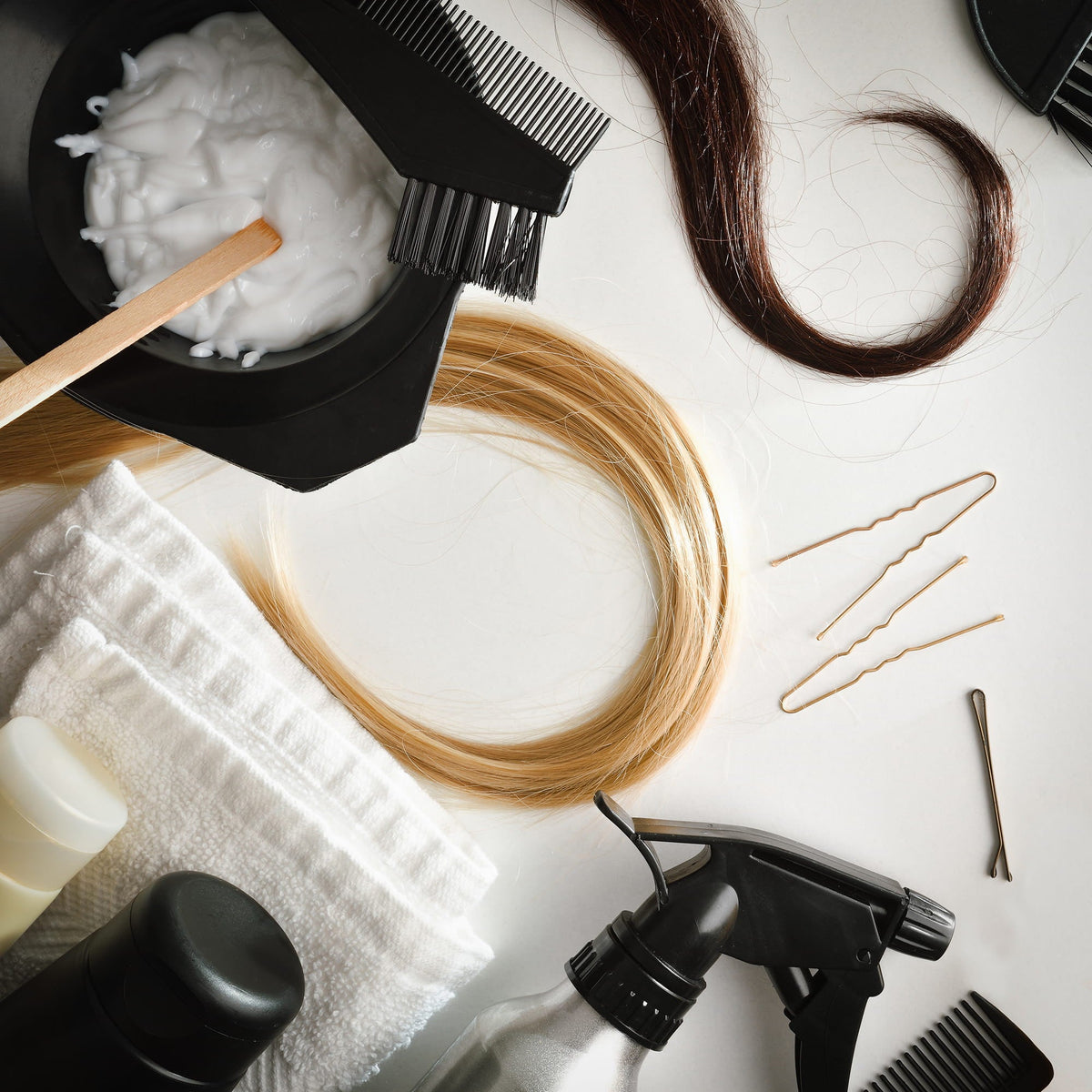
It’s the question every extension owner eventually asks—sometimes the week they unbox (“the shade is almost perfect...”), sometimes a year in (“I went darker; can my extensions come with me?”). The answer is a real yes, with real rules: 100% Remy human hair extensions can be professionally toned or dyed darker—and they cannot be safely bleached or lifted lighter.
Everything you need to know lives inside that sentence, so let’s unpack it properly, including the whys, the how-tos, and the mistakes that turn beautiful hair into an expensive lesson.
Why Extensions Take Color Differently Than Your Hair
Your natural hair is a renewable resource with a support system: a scalp feeding each strand oils, and new growth perpetually replacing what wears out. Extension hair has neither. Every strand of a Morado weft is Remy human hair—real, cuticle-aligned, and beautiful—but it’s been colored to its shade already, and whatever condition it has is all it will ever have.
Color services that your rooted hair shrugs off draw down an extension’s finite reserves permanently. That asymmetry writes all the rules below: gentle, deposit-only services are welcome; anything that strips or lifts is a one-way door.
What You CAN Do
Tone — the low-risk fine-tune
Toning deposits a whisper of pigment to adjust temperature: killing brass in a blonde, adding ash, warming an overly cool shade, refreshing color that’s softened with washing. It’s the gentlest color service there is, and the single most useful one for extensions—the difference between a 95% shade match and an invisible one is usually a fifteen-minute toner, not a new set. Demi-permanent, low- or no-developer formulas are the lane.
Dye darker — the reliable transformation
Depositing darker color onto lighter extensions works well: Platinum Blonde #613 can become honey, bronze, brown, or black; a medium brown can go rich espresso. Going darker adds pigment without disturbing the hair’s structure, so the silkiness survives.
Two permanent truths, though: it’s a one-way trip (that platinum is not coming back), and darker hair shows wear less—which is why “buy lighter, tone darker” is the time-honored strategy when you’re stuck between shades.
Refresh and gloss
Months in, extensions can fade or dull just like salon color. A gloss or color refresh in the same shade family restores vibrancy and shine, and is a legitimate way to extend the beauty window of a well-loved set within its 4–6 month lifespan.
What You CANNOT Do
-
Bleach or lighten. This is the hard line. Lifting color requires opening the cuticle aggressively—a stress rooted hair barely survives with a scalp’s support, and extension hair simply can’t. Bleached extensions turn dry, matted, and elastic-brittle, often within days. If you want lighter hair, buy the lighter shade; never manufacture it.
-
Use box dye casually. One-size developer strengths and unknown pigment loads are gambles your extensions can’t re-grow their way out of. Color services on extensions belong in professional hands with professional formulas.
-
Color the attachment zones. Dye and toner degrade tape bonds, and pigment buildup on clips, beads, and silk or lace topper bases stains and stiffens them. Color the lengths; protect the hardware and the base.
-
Color synthetic fiber—including Ruby. Our Ruby line’s premium heat-resistant fiber arrives with its color and style set in, which is its superpower—but it cannot absorb dye at all. Human-hair rules apply only to Aura and Diamond lines. Want a different Ruby color? Choose a different Ruby shade.
The Right Way to Color Extensions: A Checklist
| Step | Why it matters |
| Go to a professional colorist | They’ll choose deposit-only formulas and gentle developers suited to non-renewing hair. |
| Strand-test first, always | One hidden weft (or a few strands) previews the result before you commit the whole set. |
| Color before installing | Wefts colored flat on foil get even saturation—and attachment zones stay protected. |
| Work deposit-only, darker-only | The entire safe zone in five words. |
| Deep-condition after | Colored extensions need extra moisture—masks on mid-lengths and ends restore slip and shine. |
| Adjust expectations for reds | Warm and red pigments fade fastest on all hair; plan on refresh glosses to maintain them. |
When Coloring Is the Wrong Answer
A gentle flag from people who want your set to last: if you’re reaching for dye because the shade you received doesn’t match, stop—that’s an exchange, not a chemistry project.
The Morado Promise gives you 90 days of returns and exchanges precisely so the right shade, from 20+ solids, blends, and balayage options, does the matching work chemically-free. Save the colorist for what color services are genuinely for: fine-tuning tone, following your own hair darker, and refreshing a set you already love.
Handled that way—professional hands, deposit-only, darker-only, hardware protected—colored Morado extensions keep their Remy silkiness and serve out their full life looking like they were born in their new shade. The yes is real. So are the rules.
Frequently Asked Questions
Q. Can I bleach my extensions just one or two levels lighter?
No—even modest lifting requires opening the cuticle with oxidative chemistry that non-renewing extension hair can’t recover from. The dryness and tangling that follow are permanent.
If you need lighter, exchange or purchase the lighter shade; it will look better and last months longer.
Q. Can I tone my extensions at home?
We recommend a professional even for toning—but if you’re experienced with demi-permanent color, the guardrails are: strand-test on a hidden weft first, use low- or no-developer deposit-only formulas, keep product off tapes, clips, and topper bases, and rinse thoroughly. When in doubt, a salon toner costs less than replacing a set.
Q. Will dyeing extensions shorten their lifespan?
Gentle, deposit-only services performed once are usually well tolerated by Remy hair—many customers tone on arrival and enjoy the full 4–6 months. Repeated coloring, red pigments needing frequent refreshes, and any aggressive chemistry all draw down the lifespan. Color once, thoughtfully, and condition well after.
Q. Can I dye my Ruby synthetic wig or hairpiece?
No—synthetic fiber can’t absorb hair dye, and attempting it damages the fiber’s finish. Ruby pieces are engineered to hold their factory color and style permanently, which is exactly what makes them zero-maintenance. For a new color, choose a new Ruby shade—at Ruby’s accessible prices, that’s the happy version of this answer.
Q. I’m going darker at my next salon visit. Should my extensions come along?
Yes—this is the classic use case. Bring your extensions (uninstalled if possible), and your colorist can formulate one deposit shade across your hair and wefts in a single appointment, so everything shifts together. Just ask them to keep color off attachment zones and to strand-test the wefts first.
Share
Read more
Rooted, Highlighted & Multi-Tonal Shades Explained
What do rooted, highlighted, and multi-tonal extension shades actually mean? Decode the shade names, learn who each blend flatters, and pick with confidence.
How to Find Your Perfect Match: Extension Shade Matching, Step by Step
Find the extension shade that disappears into your hair. Step-by-step matching: where to match, how to use lighting, and what to do when you’re between shades.