

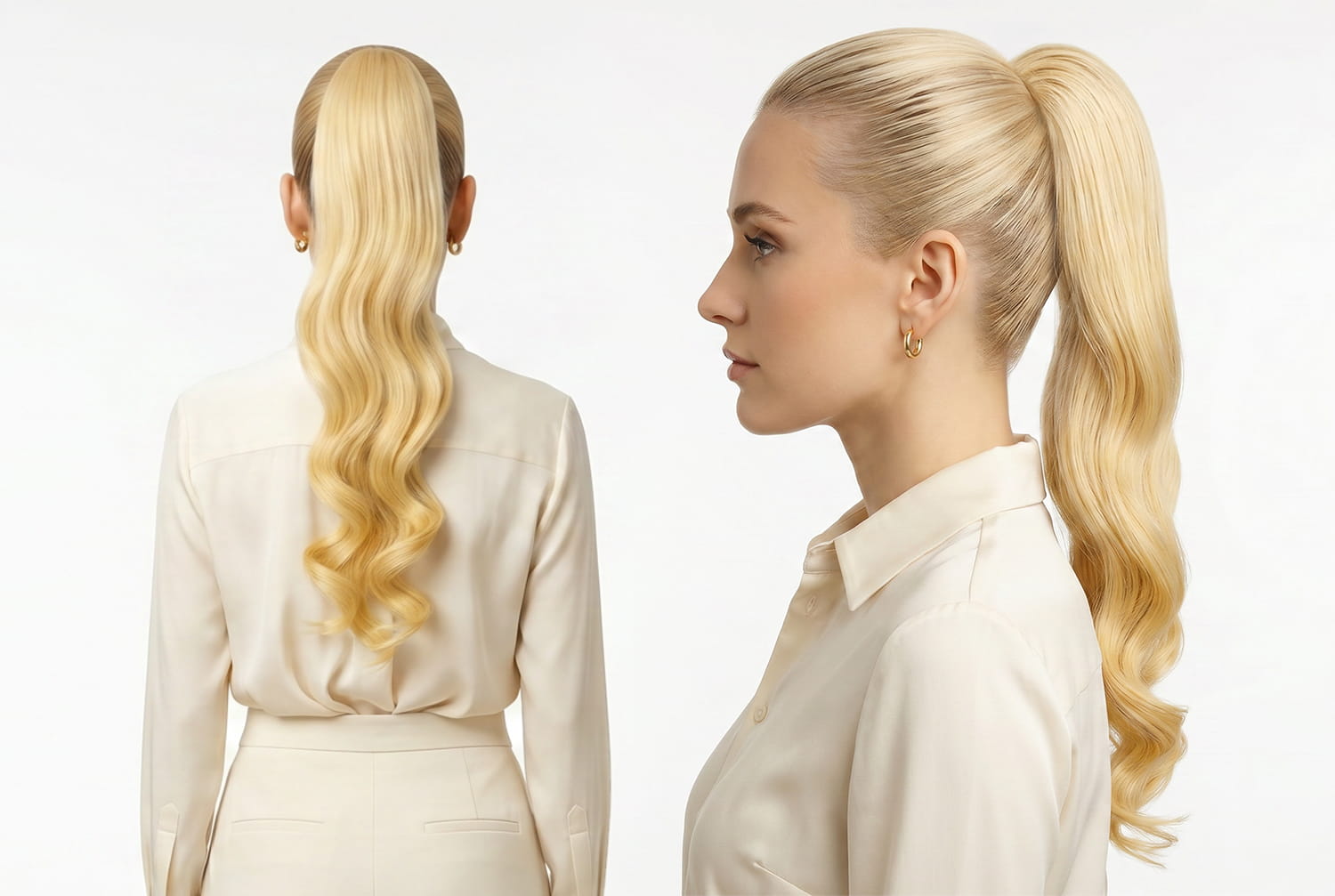
How to Find Your Perfect Match: Extension Shade Matching, Step by Step
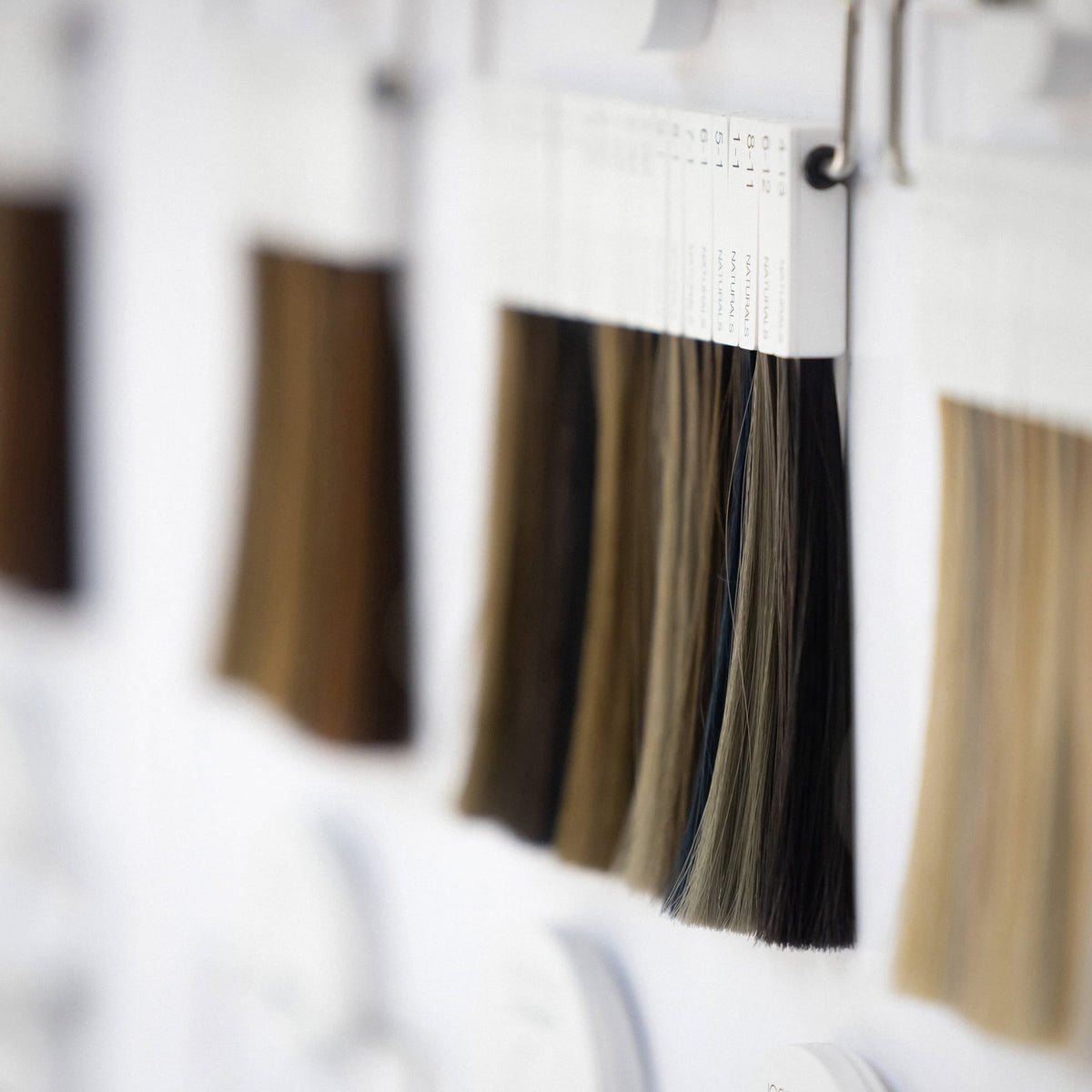
Here’s the truth every stylist knows and few websites say plainly: color match matters more than anything else you decide about extensions. More than length, more than method, more than price. A perfectly matched shade in a modest set disappears into your hair and looks born there; a slightly-off shade in the most luxurious set announces itself in every photo.
The good news is that matching isn’t a talent — it’s a technique. Follow the steps below and you can nail it from your own bathroom.
Rule One: Match Your Ends, Not Your Roots
This is the mistake behind most mismatches, so let’s retire it first. Extensions live alongside the mid-lengths and ends of your hair — that’s where they blend. Your roots are almost always darker than your ends (sun, time, and color all lighten lengths), so a shade matched at the root arrives looking too dark. Hold your ends in your hand, look at the bottom two-thirds of your hair, and match that.
The one exception: toppers and crown pieces, which sit at your part — those match your root-and-crown color instead. Same principle, different neighborhood: match the piece to the hair it will actually sit against.
Rule Two: Judge Color in Daylight
Bathroom bulbs are liars. Warm indoor lighting adds gold to everything; cool LED lighting adds ash. Natural, indirect daylight — near a window, not in direct sun — is the only honest referee.
Take three photos of your hair in indirect daylight: roots, mid-lengths, and ends, against a plain background. You’ll often be surprised; hair that reads “dark brown” indoors is frequently a medium brown with visible warmth outdoors, which is exactly the kind of discovery that saves an exchange.
Rule Three: Identify Depth First, Then Tone
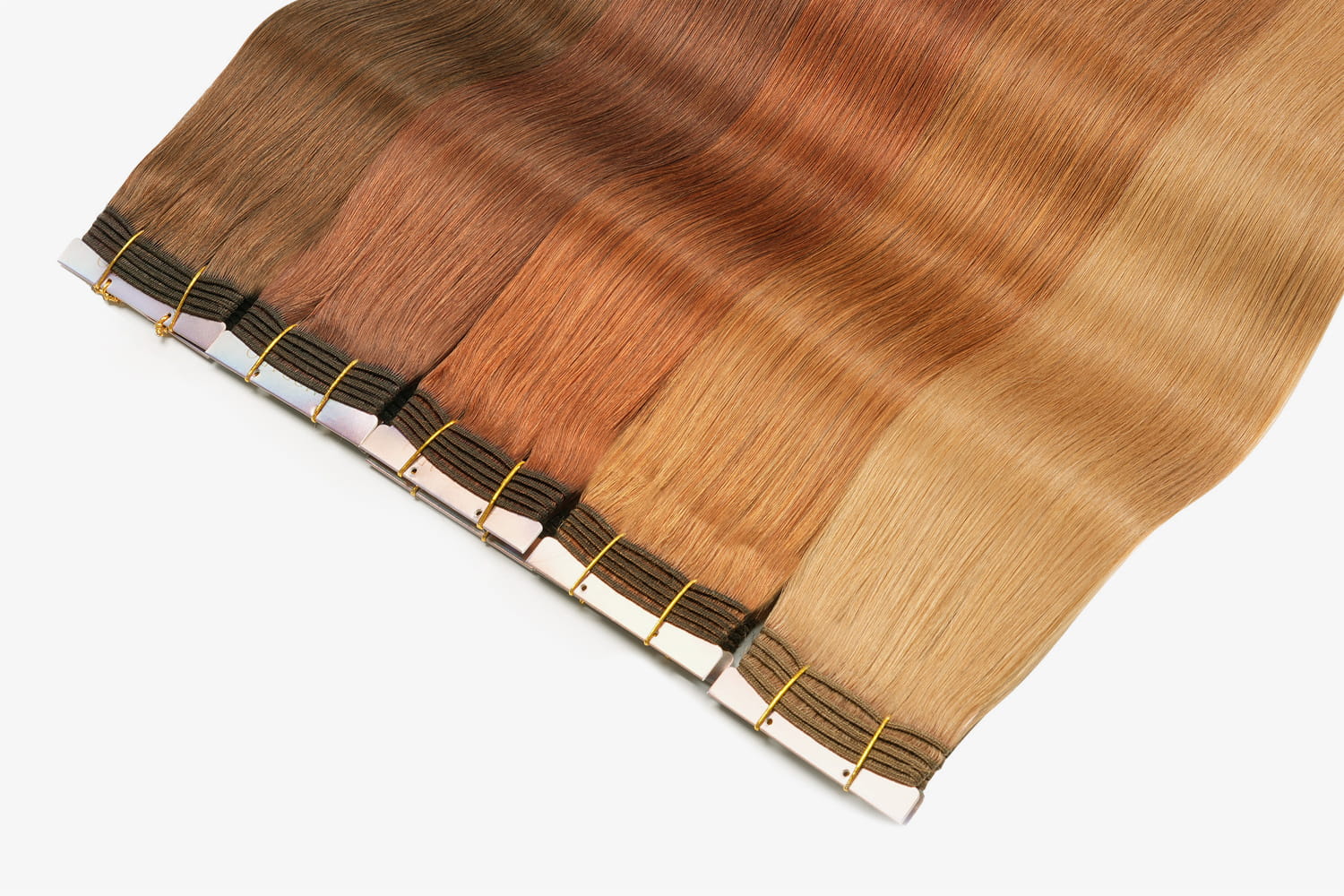
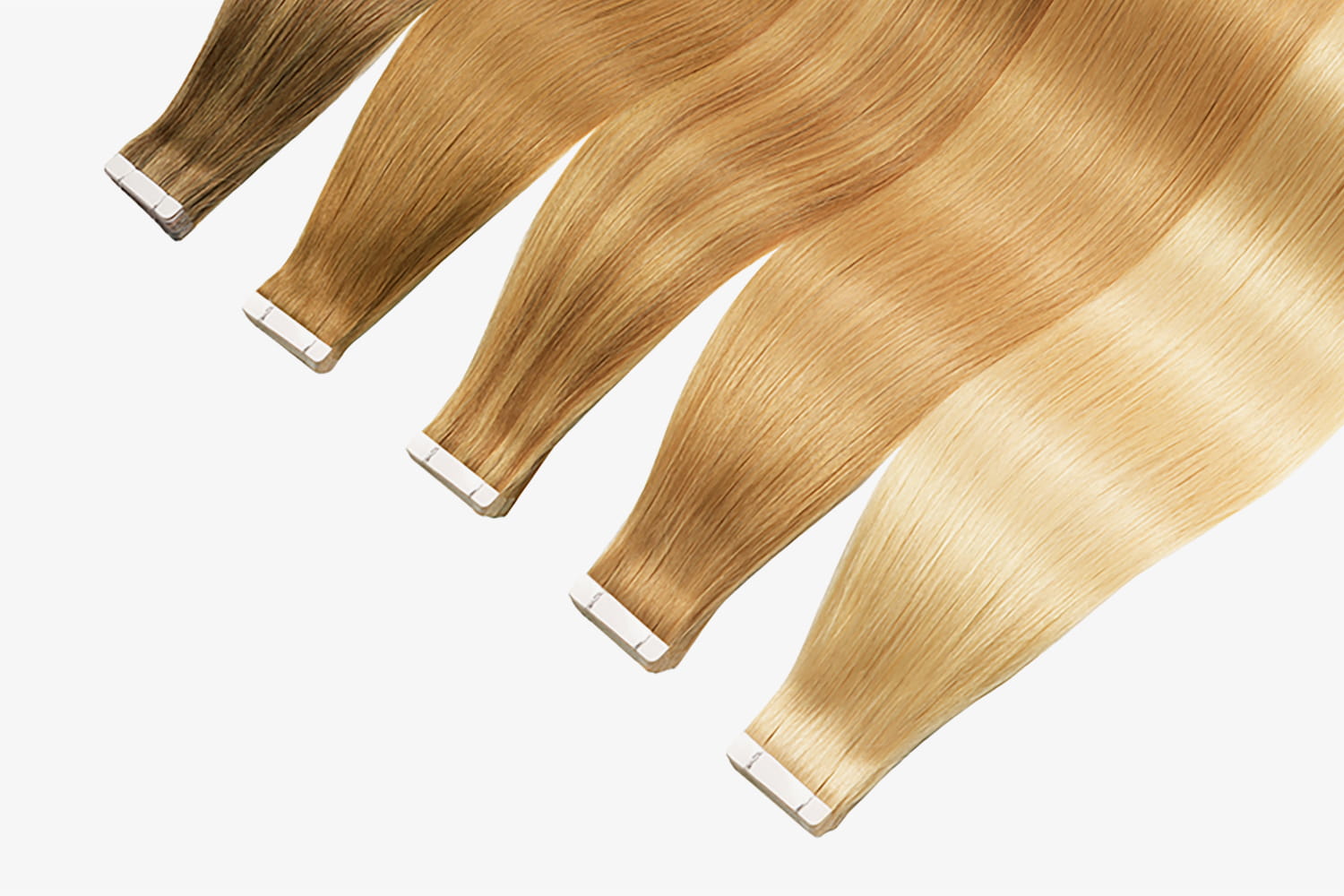
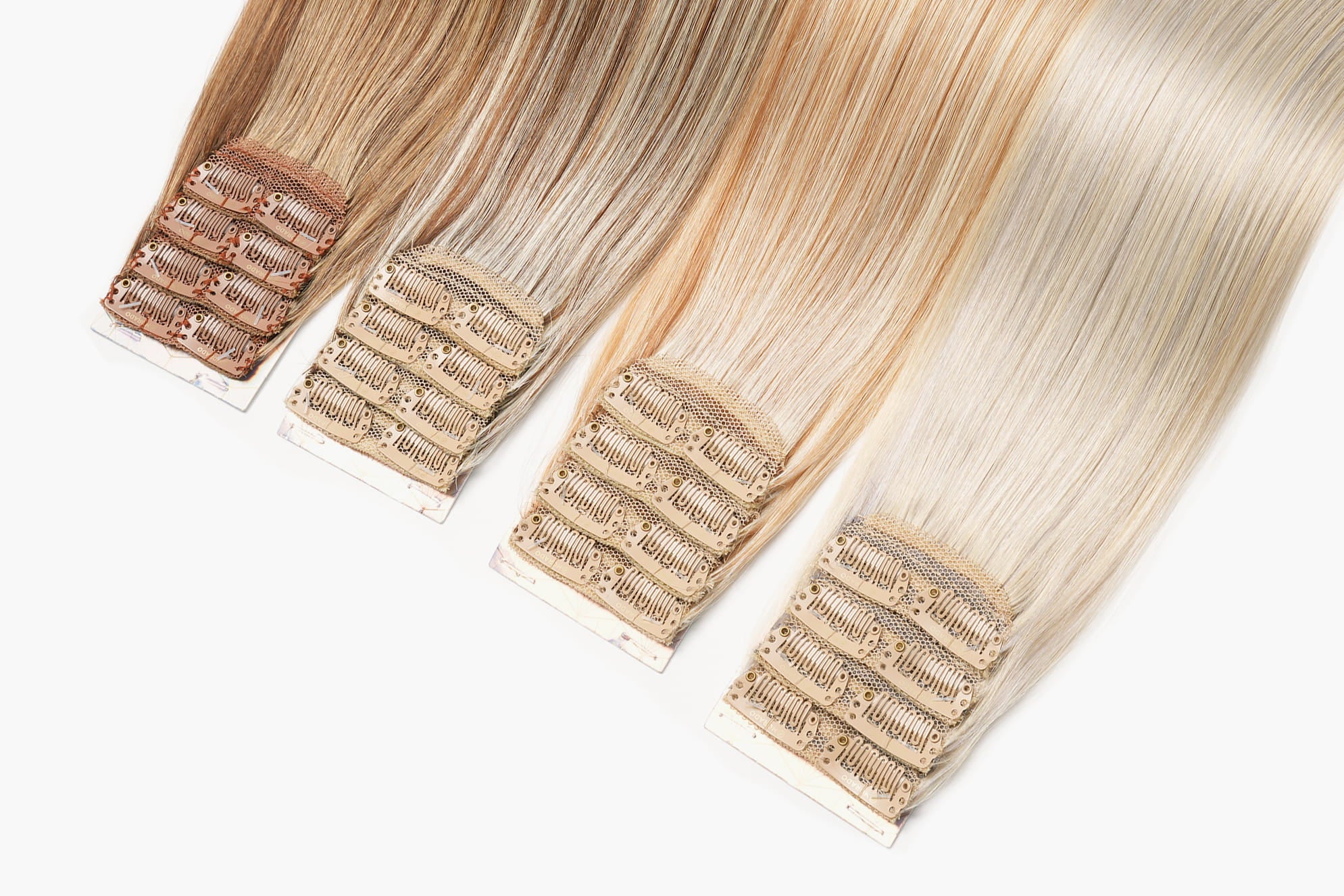
Every shade has two ingredients. Depth is how light or dark the hair is — the 1-to-613 numbering you see across Morado shades, from Jet Black #1 through browns like Dark Brown #2 and Medium Chestnut Brown #4, up through blondes like Light Ash Blonde #16 and Platinum Blonde #613.
Tone is the shade’s temperature — warm (golden, honey, bronze), cool (ash, icy), or neutral. Get depth right and you’re 70% of the way home; get tone right too and the match disappears entirely.
Tone deserves its own article, but the short version is simple: look at whether your lengths glow golden or ashy in daylight.
Work in that order. Squint at your daylight photo to blur detail: is your hair light, medium, or dark? That’s depth. Then look at its temperature. A Warm Honey Blonde #27 and a Light Ash Blonde #16 can sit at similar depths and still look completely different against your skin and lengths — that difference is pure tone.
When You’re Between Shades
-
Go slightly lighter, not darker.
Lighter extensions read as sun-kissed dimension against your hair; darker ones read as a visible stripe. Lighter can also be professionally toned down — darker can’t be lifted safely. -
Consider a blend.
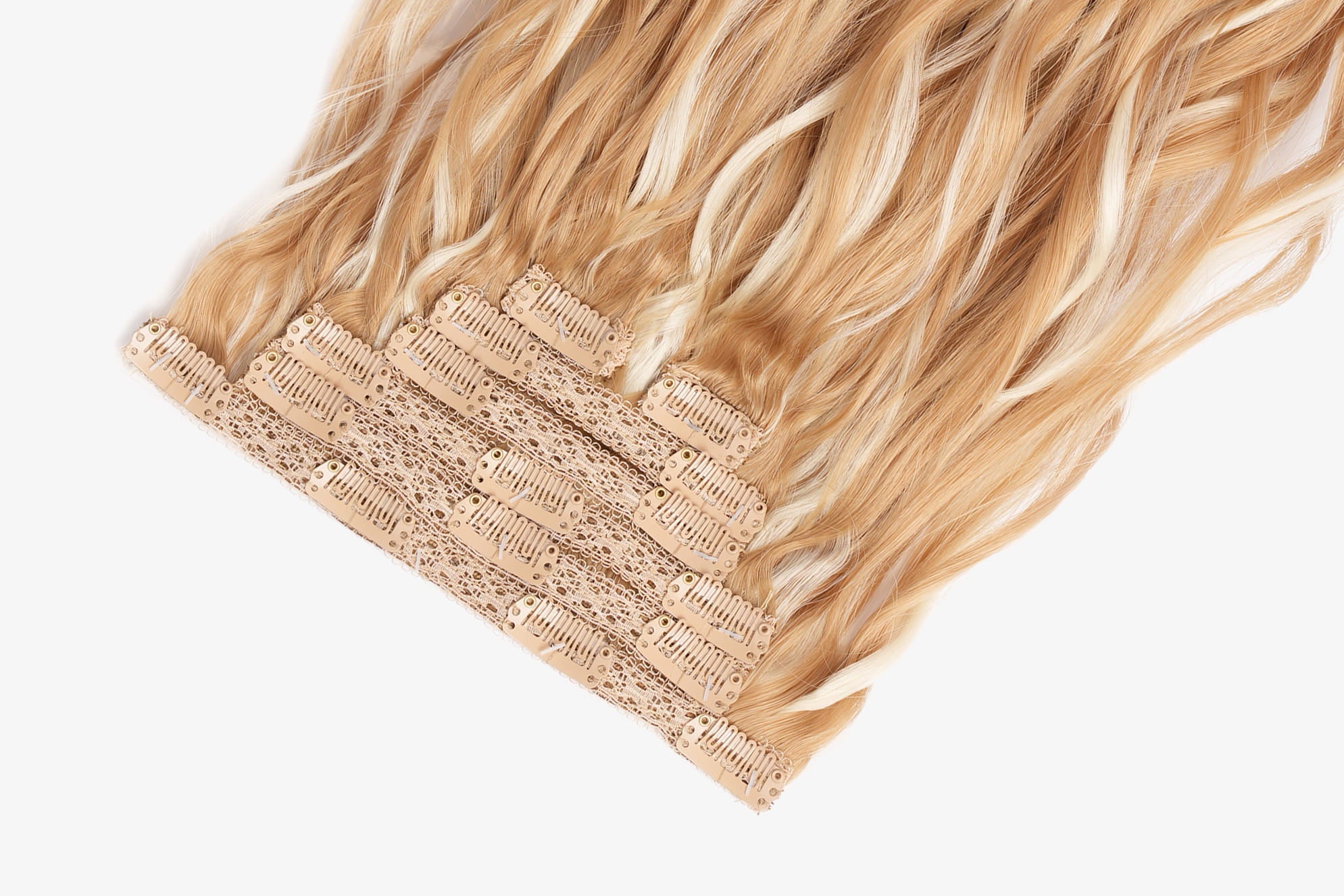
Real hair is never one flat color. Morado’s blended shades — like Medium Brown with Honey Blonde #4/27 or Bronze Blonde with Platinum Blonde #6/613 — contain two tones woven together, and they forgive an in-between match far better than any solid can. -
Dimensional hair? Match the dominant ribbon.
If your hair is highlighted, match the shade your eye averages from arm’s length — usually the midpoint between your highlight and your base — or choose the blend or balayage shade built for exactly that.
The At-Home Matching Checklist
| What to Do | |
| 1. Wash & dry | Match clean, fully dry hair styled the way you usually wear it — water and product both shift color. |
| 2. Daylight photos | Take photos in indirect daylight against a plain background, showing your roots, mid-lengths, and ends. |
| 3. Find your depth | Use the squint test: is your hair light, medium, or dark? Narrow your options to two or three candidate shades. |
| 4. Find your tone | A golden glow suggests warm shades; an ashy cast suggests cool shades; if you can wear both, you may be neutral. |
| 5. Compare at the ends | Hold candidate shades against your mid-lengths and ends, not your face or roots. |
| 6. When in doubt, ask | Send your three photos to the Morado team — we shade-match by photo every day, free. |
After It Arrives: The Honest Try-On
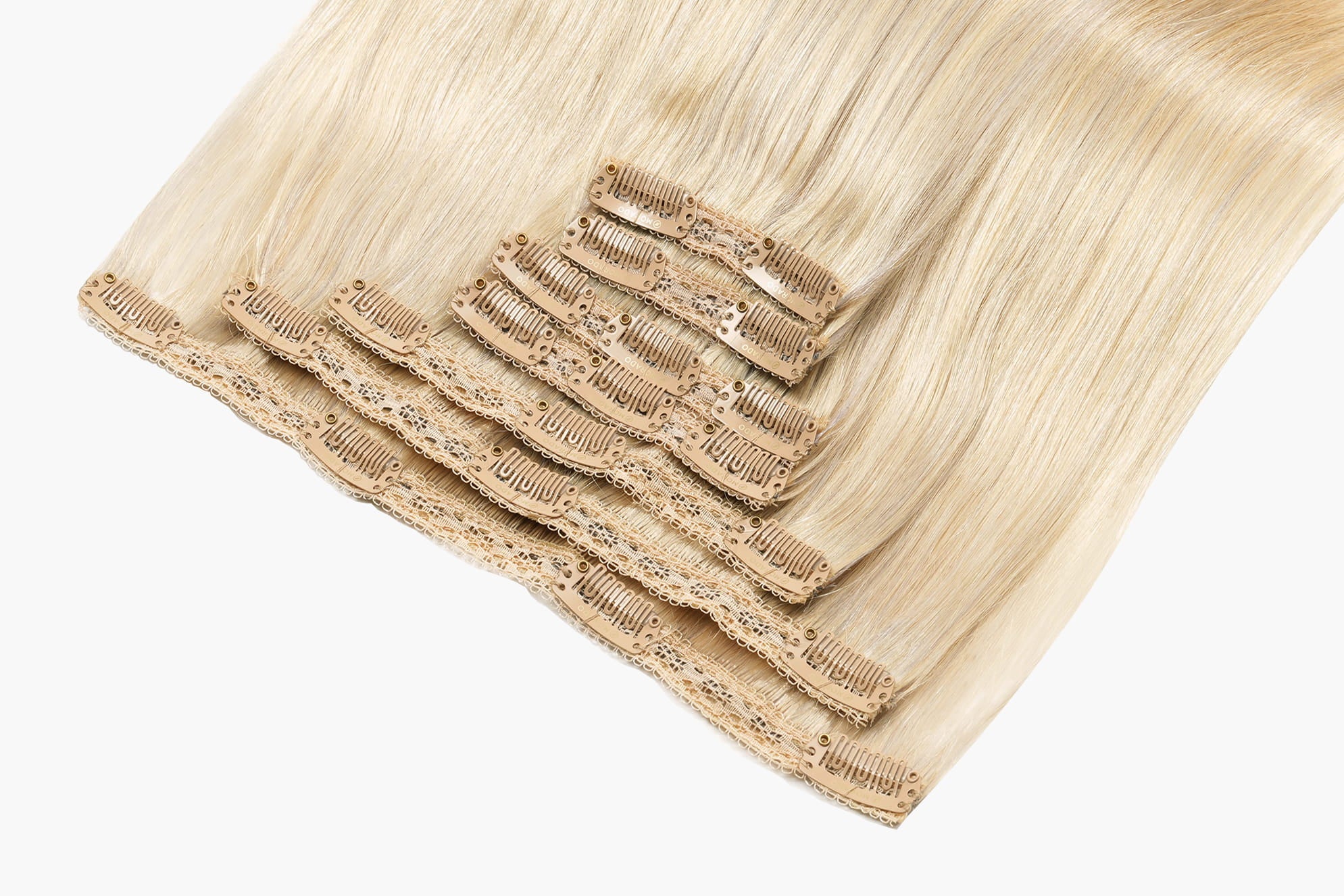
Check your match the way the world will see it: clip a weft under your top layer near the ends, step to the window, and look in daylight — not straight out of the box under bathroom lights against the packaging.
A match that disappears at conversational distance in daylight is a match, even if a forensic inspection an inch away finds variance. Your own hairs vary more than you think.
If it genuinely reads as a stripe, don’t settle and don’t reach for dye as a first resort: the Morado Promise’s 90-day returns and exchanges exist precisely so your second shade can be your forever shade.
One Last Reassurance
Across 20+ shades — solids, blends, and balayage — the right match exists for almost every head of hair. Finding it is a ten-minute process and, worst case, one exchange.
The hair that “disappears into your hair” isn’t luck. It’s just the steps above, done in daylight.
Frequently Asked Questions
Q. Should I match my extensions to my roots or my ends?
Ends and mid-lengths — that’s where extensions sit and blend. The exception is toppers and crown pieces, which sit at your part and should match your root-and-crown color instead.
Q. What if my hair color is in between two shades?
Choose the slightly lighter one, or better, a two-tone blend like #4/27 or #6/613 — blended shades are engineered to bridge in-between colors. Lighter extensions blend as dimension and can be toned darker by a professional; too-dark extensions can’t be safely lightened.
Q. Can I get help matching before I order?
Yes — send the Morado team photos of your hair in indirect daylight (roots, mid-lengths, ends) and we’ll recommend your shade. It takes minutes and dramatically reduces exchanges, though the 90-day Promise covers you either way.
Q. Do extensions look different in person than on the website?
Slightly, always — every screen renders color differently. That’s why the daylight try-on matters more than the unboxing impression, and why we match by your photos rather than by how a shade looks on your monitor. Judge the blend in your hair, in daylight, at arm’s length.
Q. My hair color changes with the seasons. Which version do I match?
Match the hair you have during the months you’ll wear the extensions most, and lean toward the lighter (summer) version if torn — lighter blends more forgivingly year-round. Many customers with strong seasonal shifts eventually keep two shades, or bridge both seasons with a single blended shade.
Read more
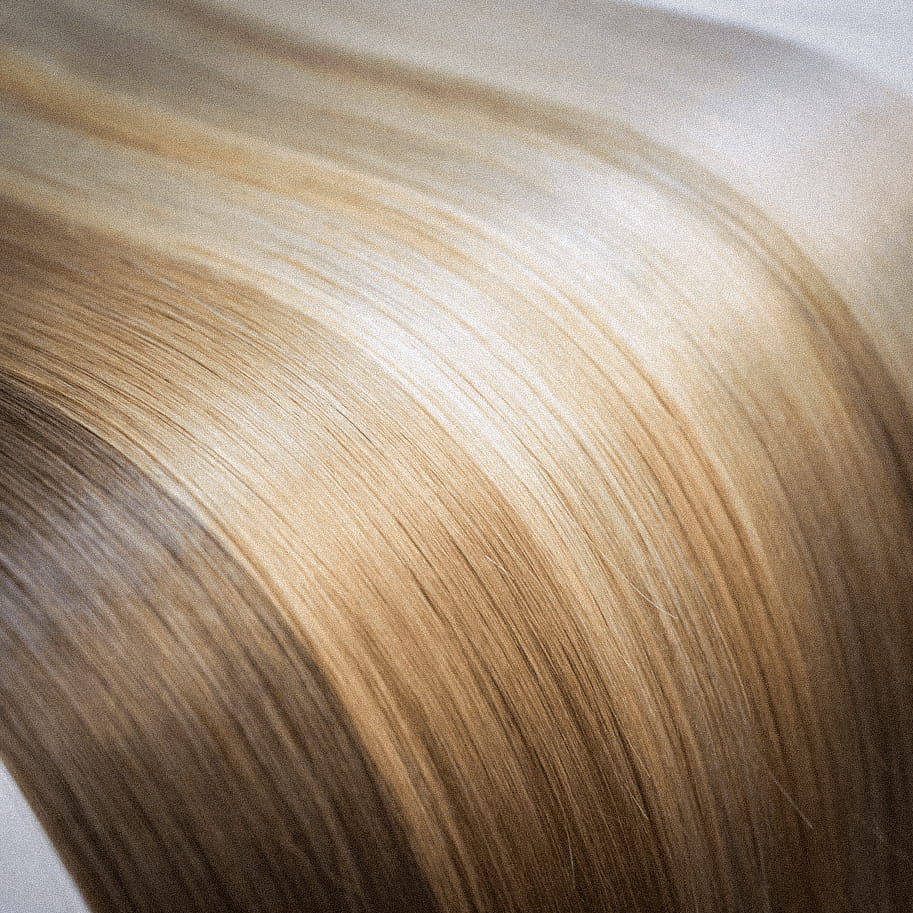
What do rooted, highlighted, and multi-tonal extension shades actually mean? Decode the shade names, learn who each blend flatters, and pick with confidence.
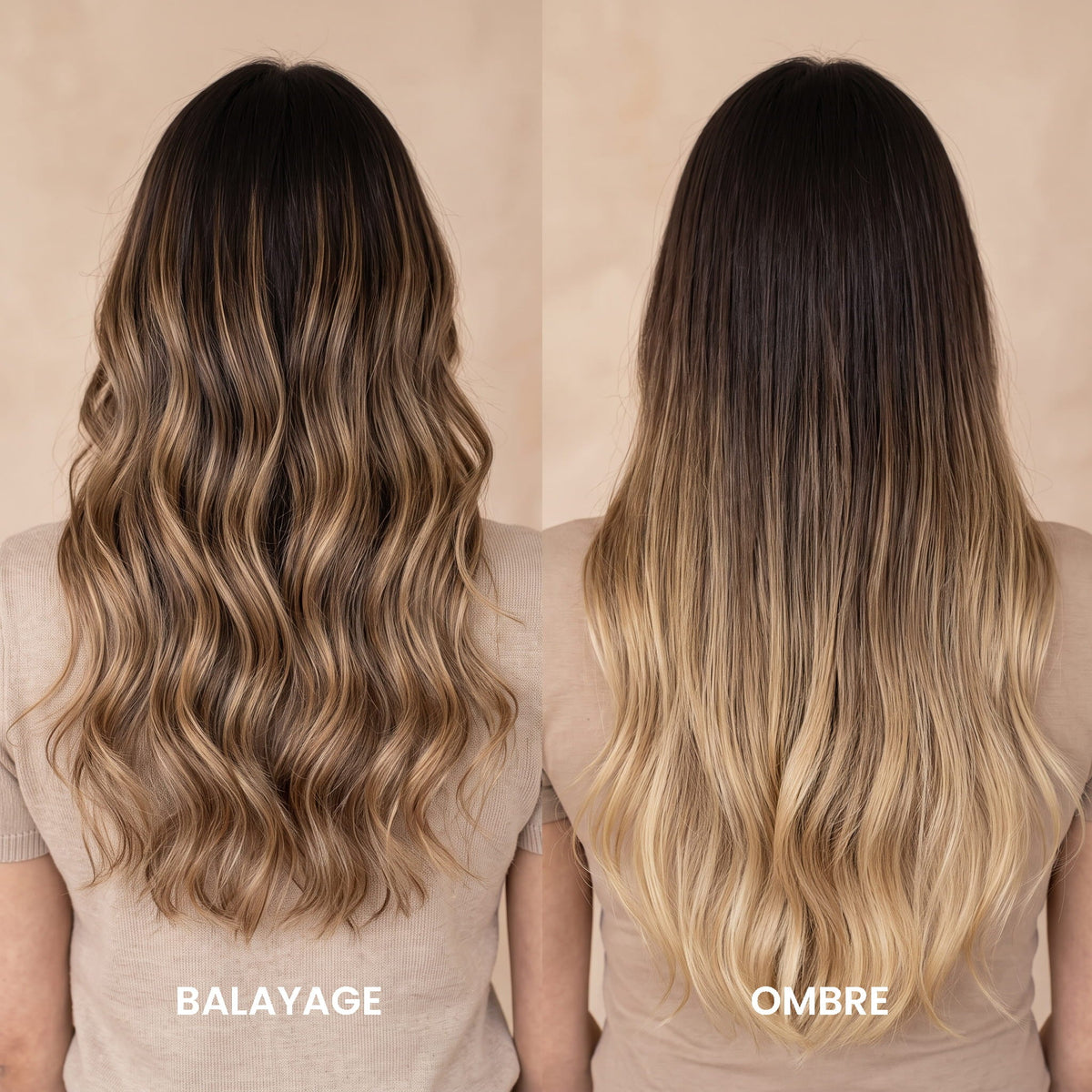
Balayage or ombre? Learn the real difference between these dimensional shades, which one matches your hair and lifestyle, and how to pick extensions that blend.